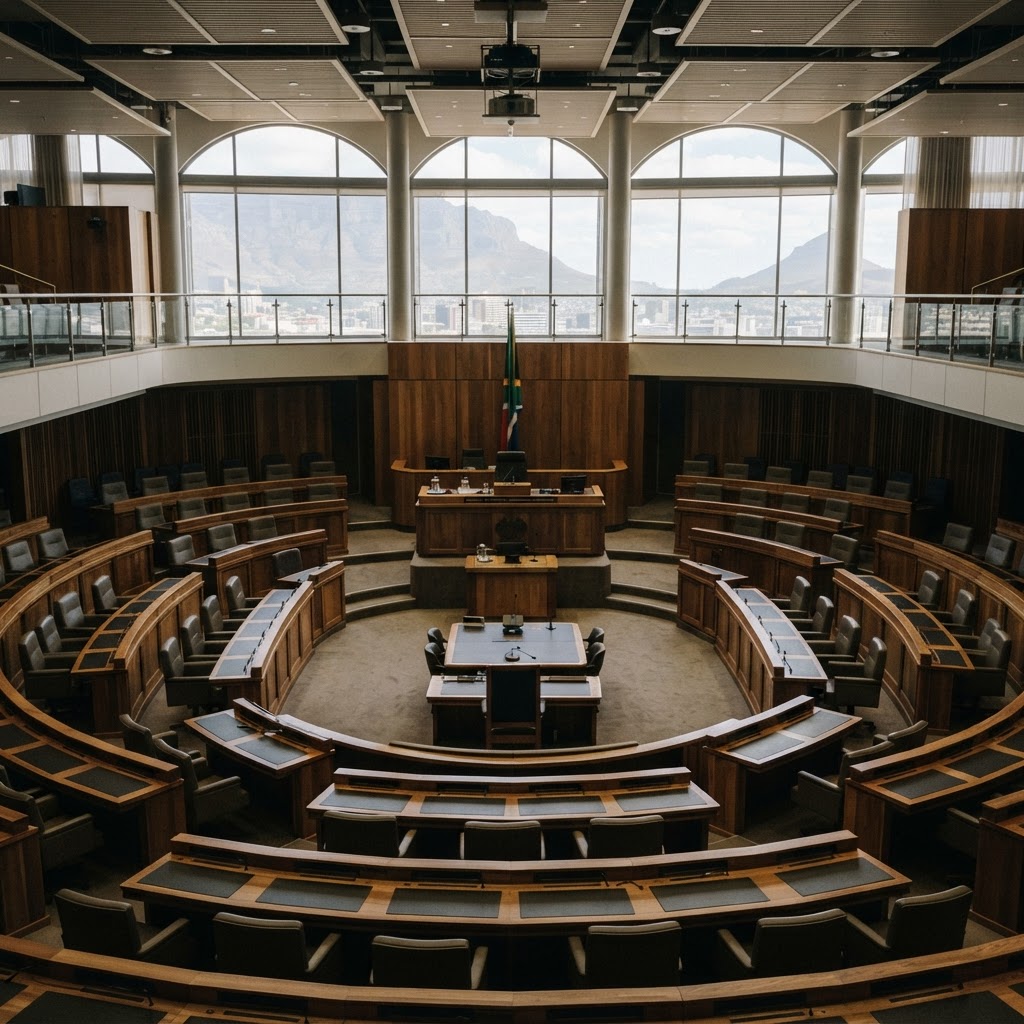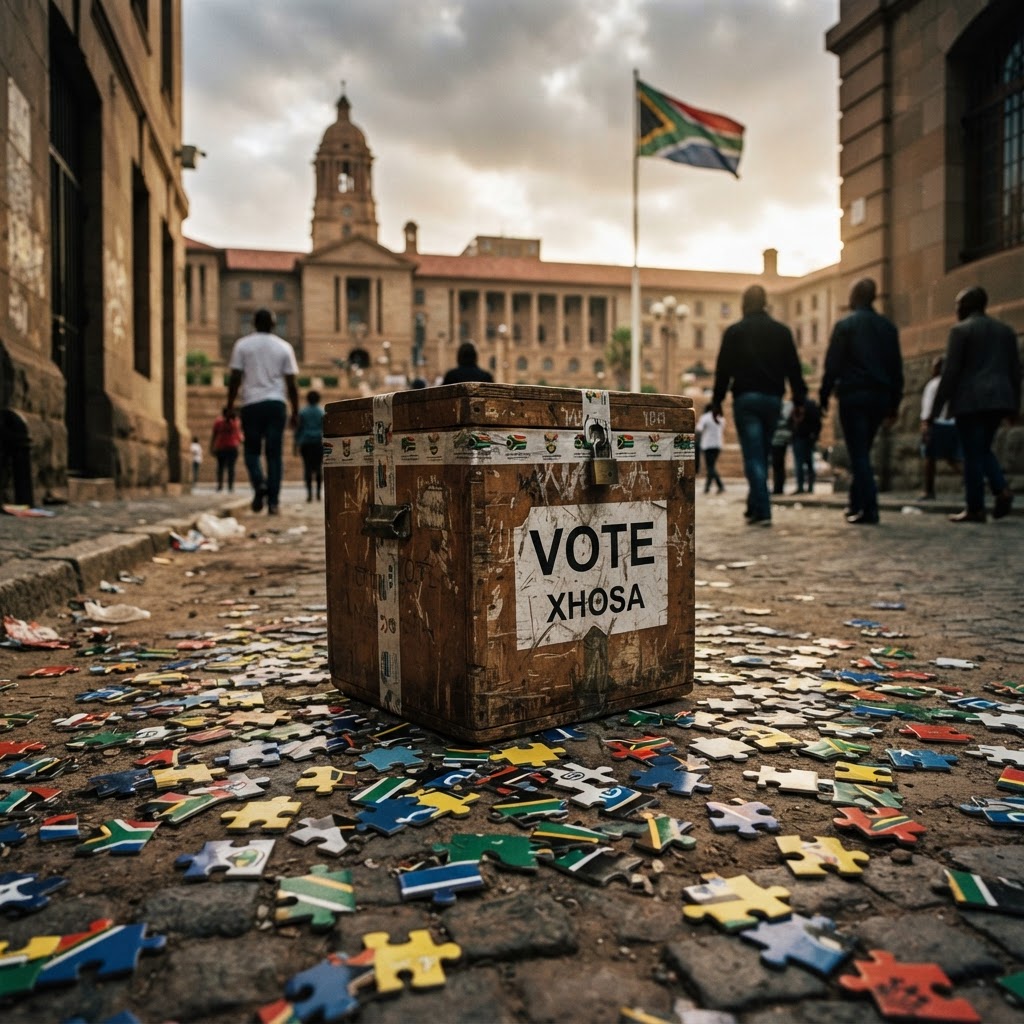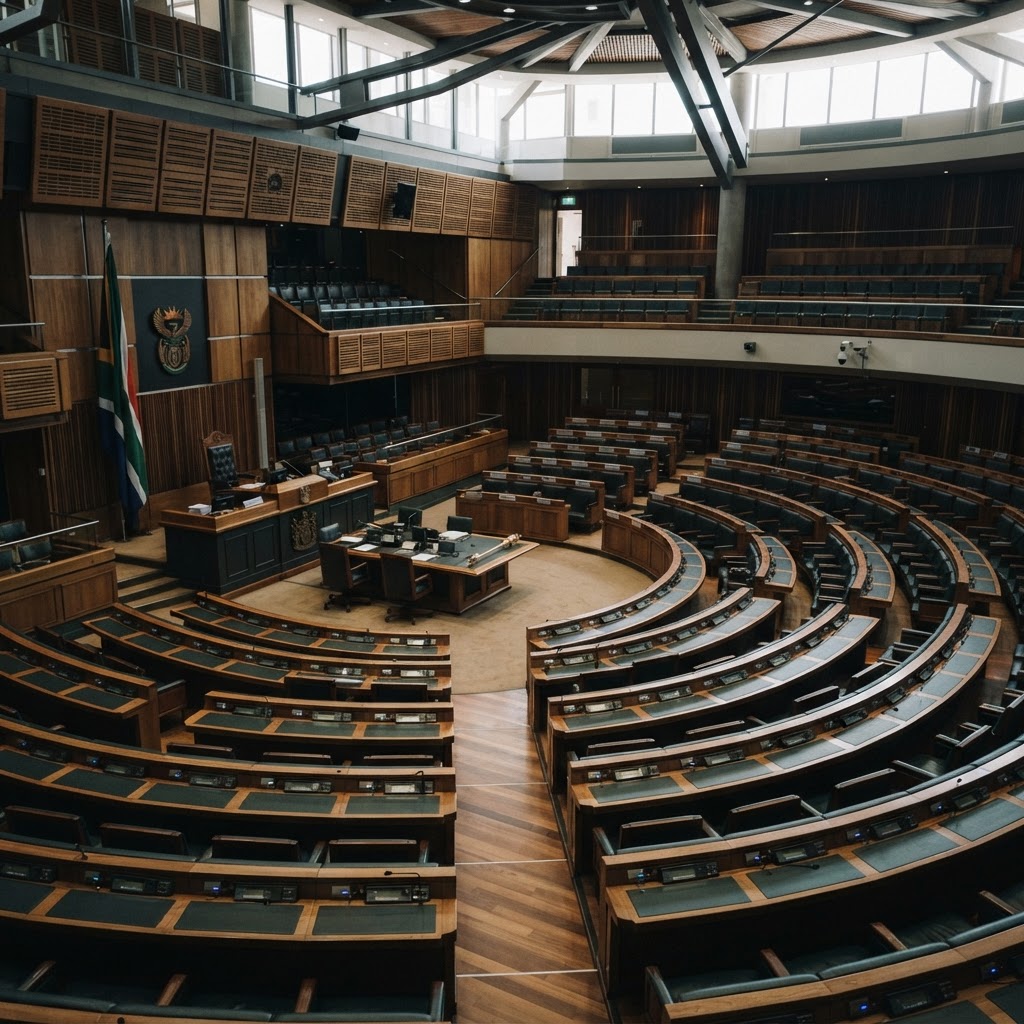
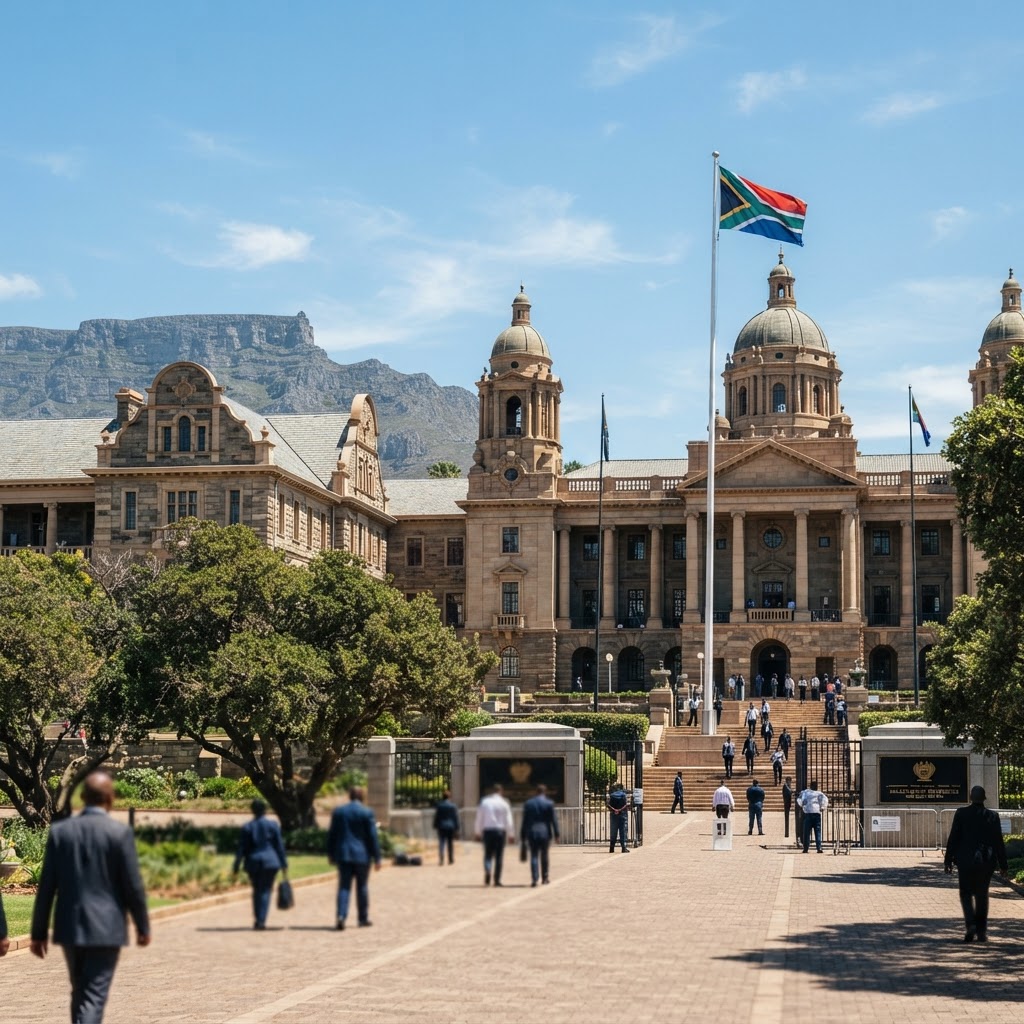
President Cyril Ramaphosa will join legislators in the National Assembly this Wednesday to witness a pivotal moment for the country’s financial future. Finance Minister Enoch Godongwana is set to present the Medium Term Budget Policy Statement, a document that serves as the ultimate diagnostic test for South Africa’s economic health. While the President’s presence adds a layer of political gravity to the occasion, the technical details contained within the report will carry far more weight for the average citizen. This gathering comes at a juncture where the state’s coffers are under immense strain, and the public is increasingly anxious about the sustainability of current spending patterns. The MTBPS is not merely a collection of data points; it is a declaration of intent regarding how the state will prioritize its limited resources over the coming years. For a nation grappling with persistent joblessness and the deteriorating quality of essential public infrastructure, the Minister’s speech will be parsed for any signal of genuine fiscal reform. The spotlight is currently focused on the delicate balance between maintaining social stability through grant funding and the urgent need to trim the fat from an overextended public sector. This year’s address is particularly charged due to the unique composition of the current administration. As the Government of National Unity attempts to align disparate political visions, the budget update represents a litmus test for collective governance. Observers will be looking for signs of compromise, or alternatively, evidence of deep-seated friction between coalition partners regarding revenue management. The Treasury is walking a tightrope. It must reassure international investors that the country remains a stable destination for capital while simultaneously addressing the demands of a populace that is tired of broken promises. Revenue projections are expected to be under intense scrutiny, especially as the tax base struggles to expand in a sluggish economic environment. If the government fails to demonstrate credible discipline, the markets may react with volatility, complicating borrowing costs for the state. Beyond the macroeconomic metrics, the implications for everyday South Africans are profound. The allocation of funds for healthcare, education, and basic service delivery remains the primary concern for millions. Any move to reallocate capital away from these sectors to cover burgeoning debt-service costs will undoubtedly spark widespread debate and potential social unrest. Conversely, should the Minister provide a roadmap that focuses on growth-oriented spending, it could signal a turning point for the flagging economy. Ultimately, the session in Parliament this week is a reminder that there are no easy solutions for the structural challenges facing the republic. The President’s involvement underscores the necessity of leadership in bridging the gap between cold, hard fiscal data and the lived realities of the people. As the bells ring in Parliament on Wednesday, the nation will be listening closely to see whether this budget offers a genuine path toward recovery or merely another exercise in political survival. The stakes could not be higher, and the window for effective action is rapidly closing.
About the Author
Fatima Mokoena
Staff Reporter
Fatima Mokoena reports for National Post UK with a focus on rigorous analysis and authoritative journalism — a trusted voice across British public life.
Reader Discussion · 5
Subscribers can join the conversation.
SUBSCRIBE TO COMMENT →Talk is cheap and we have heard it all before in previous budget statements. Until there is genuine accountability for the mismanagement of funds, I struggle to believe any of the targets set this Wednesday will be met.
I am cautiously optimistic that this address might signal a shift towards more investor-friendly policies. South Africa has so much potential if only the administration could get the fundamentals right.
Let us be realistic, Enoch Godongwana has a nearly impossible task ahead of him with the current energy crisis and crumbling infrastructure. Without significant private sector investment, I do not see how the numbers will ever add up.
While I appreciate the need for fiscal discipline, I worry that further cuts to public services will only hurt the most vulnerable. We need to see a balance between growth and social support.
It is about time the government faced the music regarding state-owned enterprises. We need actual structural reform rather than just more borrowing and kicking the can down the road.