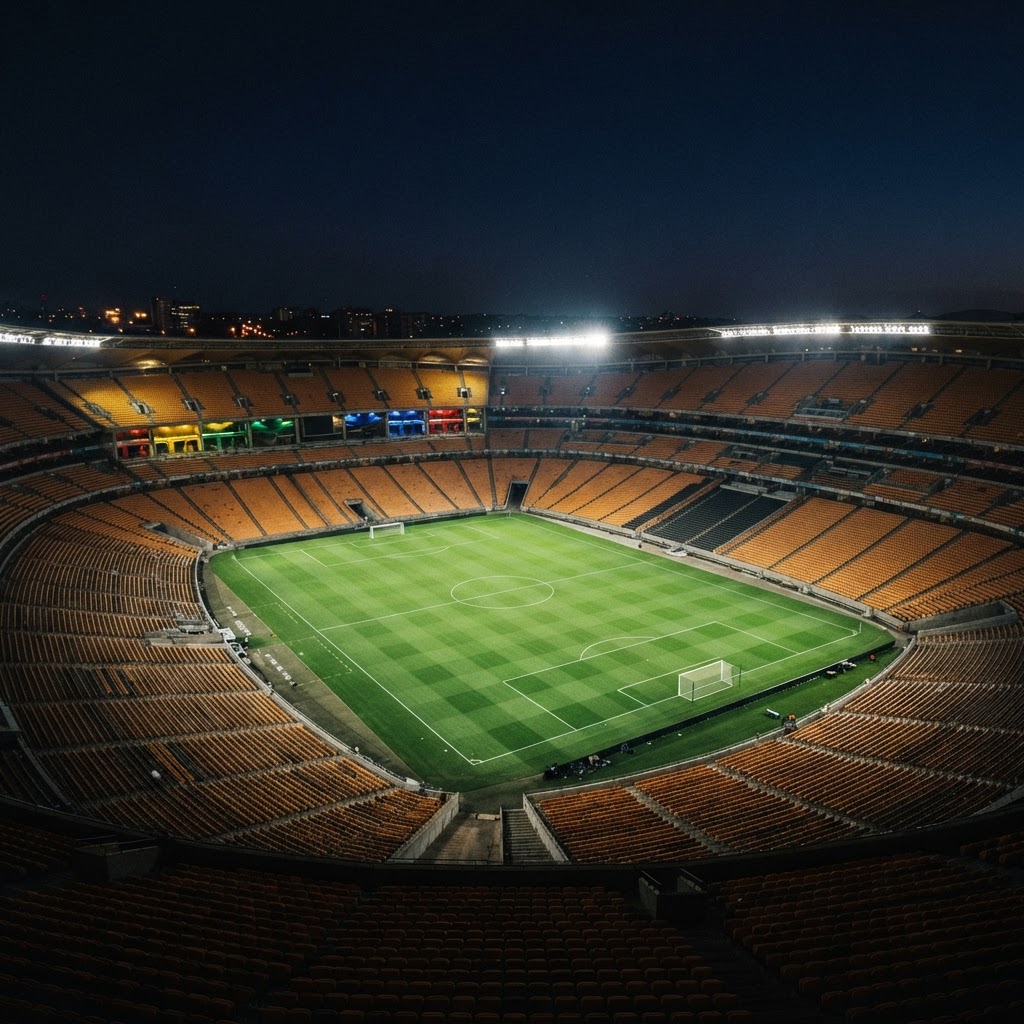
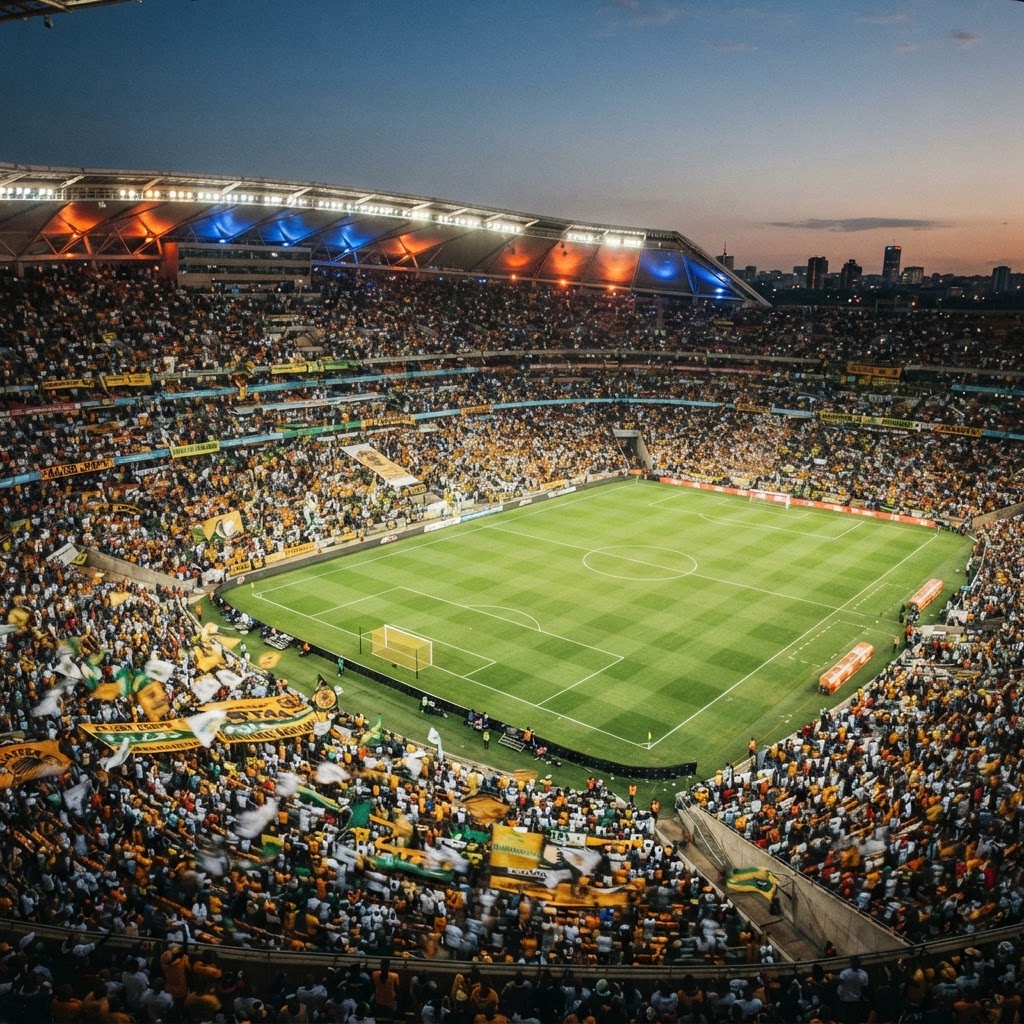
The hunger for South African football remains insatiable. In a display of loyalty that defies recent form books, the entirety of the FNB Stadium has been snapped up by desperate supporters, with tickets for the upcoming October 31 Soweto Derby vanishing in a mere matter of hours. This rapid consumption of match-day access reflects a national obsession that persists regardless of the fluctuating fortunes of the two Soweto titans on the continental stage. For the die-hard fan, the badge holds more weight than the current trophy drought. The sheer scale of this sell-out serves as a potent reminder that while the PSL may face criticism regarding international standards, the domestic appetite for the Soweto Derby is entirely unrivaled in its fervor and scale. It is, quite simply, the heartbeat of the nation's sporting calendar. The administrative scramble to secure a seat began at dawn, and before the sun had set, the turnstiles were effectively locked against any further entry. This intense demand places the event into a rarefied atmosphere, where the match transcends sport to become a significant cultural marker for urban South Africa. It is a day where the cities of Johannesburg and Soweto breathe in sync, united by the tension of the pending ninety minutes. However, the excitement brings with it a necessary note of caution from local law enforcement and stadium management. With the black market for forged entry passes already showing signs of life, officials are pleading with the public to bypass unauthorized vendors. There is a palpable anxiety that scammers may seek to capitalize on the desperation of those left without a valid ticket, leading to potential chaos at the perimeter gates. Supporters are being urged to exercise maximum vigilance and to rely solely on legitimate ticketing platforms to ensure their safe entry. Logistics remain a primary concern for the organizers. With a capacity crowd guaranteed, the surge of humanity toward the Nasrec precinct will require unprecedented coordination. Fans have been advised to reach the stadium grounds well before the scheduled kick-off to avoid the bottleneck that typically characterizes high-profile fixtures. Arriving early is not merely a suggestion for comfort; it is a tactical necessity to ensure that ticket holders are processed efficiently through the security checkpoints without missing the opening whistle. Beyond the logistics and the ticket frenzy, there is the matter of pride. Both Kaizer Chiefs and Orlando Pirates have navigated a turbulent period in their respective histories, marked by exits from CAF competitions that have stung the local pride. Despite these setbacks, the derby remains the ultimate arbiter of success. For the winning manager, it is a shield against criticism; for the loser, the road ahead becomes a gauntlet of immense pressure. The players understand this unspoken contract perfectly. They step onto the pitch not just for three points, but to cement their status in the folklore of their respective clubs. As we countdown to the end of the month, the buzz across social media and in the neighborhood taxi ranks confirms one thing: the appetite for the beautiful game in South Africa is not just alive, but thriving in the most spectacular fashion. When the teams emerge from the tunnel at FNB Stadium, they will be greeted by a roaring tapestry of black, gold, and white, proving that no amount of global football influence can ever truly eclipse the electricity of the Soweto Derby.
About the Author
Thabo Ndlovu
Staff Reporter
Thabo Ndlovu reports for National Post UK with a focus on rigorous analysis and authoritative journalism — a trusted voice across British public life.
Reader Discussion · 6
Subscribers can join the conversation.
SUBSCRIBE TO COMMENT →Whether the teams are playing well or not, this derby remains the heartbeat of the nation. It is great to see the fans sticking by their clubs regardless of the results.
I worry about the safety logistics with such a rapid sell-out. I hope the stadium management has proper crowd control measures in place for the day.
The organisation of these big matches is usually chaotic, but you cannot deny the cultural significance. It is the highlight of the sporting calendar for so many.
I find it a bit baffling given the poor quality of football on display recently. Are people going for the sport or just for the social event?
I lived in Johannesburg for a few years and the atmosphere at the Soweto Derby is unlike anything else in world football. It is no surprise at all that the stadium sold out so quickly.
It is remarkable to see such loyalty despite the current state of the teams. You have to admire the passion of the fans in South Africa.