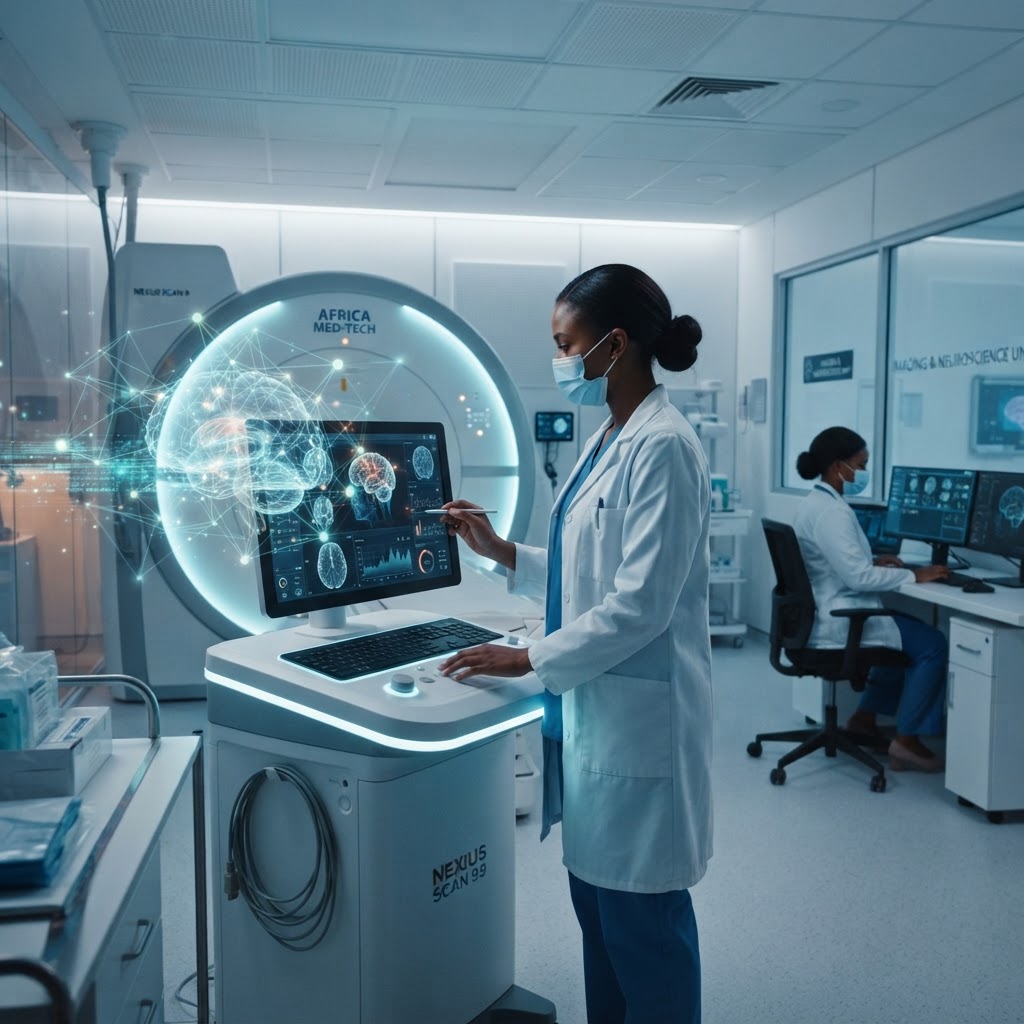

In a major win for the domestic technology sector, Healthleap has concluded a massive capital raise of R700 million. This significant investment is earmarked for the widespread rollout of its proprietary diagnostic software, which utilizes high-level computational analysis to identify pathologies with greater precision than traditional manual reviews. As our national healthcare system grapples with heavy patient volumes and limited resources, this technology promises to act as a powerful force multiplier for tired medical teams. The funding announcement marks a pivotal moment for a homegrown venture that has rapidly transitioned from a niche developer to a key player in the nation's medical infrastructure. For the medical professionals working in our overburdened public hospitals, this influx of capital represents a necessary upgrade to their diagnostic toolkit. By automating the screening process for complex diseases, Healthleap enables clinicians to bypass preliminary bottlenecks, ensuring that patients receive urgent attention sooner. This shift is particularly vital in rural settings, where the distance to specialized care remains a persistent barrier to positive health outcomes. The company’s architecture is designed to integrate seamlessly into existing digital record systems, allowing for a swift adoption curve that does not disrupt ongoing medical procedures. This is not merely an exercise in digitization; it is a fundamental reconfiguration of how hospital capacity is managed. When software takes on the heavy lifting of image screening and anomaly detection, doctors and nurses regain valuable hours previously spent on repetitive tasks. This, in turn, facilitates more meaningful doctor-patient interactions and reduces the risk of human error during peak operational hours. Looking at the broader economic picture, the confidence displayed by international backers suggests that our tech ecosystem is reaching a new level of maturity. Investors are increasingly recognizing that South African entrepreneurs are not just building apps for the elite; they are solving deep-seated systemic issues that resonate globally. While the capital is intended to drive regional expansion, the primary focus remains local, with pilot programs already slated for high-pressure facilities across the Gauteng and Western Cape provinces. The firm has signaled that this cash injection will also facilitate the hiring of additional local engineering talent. This is a crucial detail, as it fosters the growth of a skilled workforce that is well-versed in both software engineering and the specific nuances of our local clinical environments. As we move forward, the success of this deployment will be measured by how quickly wait times decrease and how effectively life-threatening conditions are identified in their earliest stages. The transition toward intelligent, data-driven healthcare is no longer a futuristic concept for South Africans; it is an active, funded reality. By bridging the gap between high-end machine learning and the reality of bedside care, Healthleap is proving that our local innovation climate is more than capable of addressing our most pressing social challenges. As these systems go live, the focus must shift to ensuring equitable access to these technologies, guaranteeing that the benefits of this innovation are shared across the public-private spectrum. This is a milestone that underscores the resilience and ingenuity of our local tech community, setting a bold precedent for future investment in the essential services that keep our society functioning.
About the Author
Fatima Mokoena
Staff Reporter
Fatima Mokoena reports for National Post UK with a focus on rigorous analysis and authoritative journalism — a trusted voice across British public life.
Reader Discussion · 5
Subscribers can join the conversation.
SUBSCRIBE TO COMMENT →It is a bold move, but I remain skeptical about the privacy implications of using computational analysis for patient data. I would like to see more transparency regarding how this data is anonymized and stored before a nationwide rollout takes place.
As someone who has spent far too much time in waiting rooms lately, anything that speeds up the diagnostic process is a huge win in my book. It is about time we moved away from manual processing for every single scan.
R700 million is a staggering amount of capital for a local firm. I hope the focus remains on affordability for the public sector, as we cannot afford for these diagnostic tools to become too expensive for the average hospital trust to procure.
I am curious to see how this integrates with existing hospital legacy systems. We have seen plenty of these tech solutions fail in the past simply because the infrastructure in our wards just cannot support the software requirements.
This is exactly the kind of innovation the NHS needs right now to clear those persistent backlogs. It is high time we saw local tech companies getting the backing they deserve to improve patient outcomes.