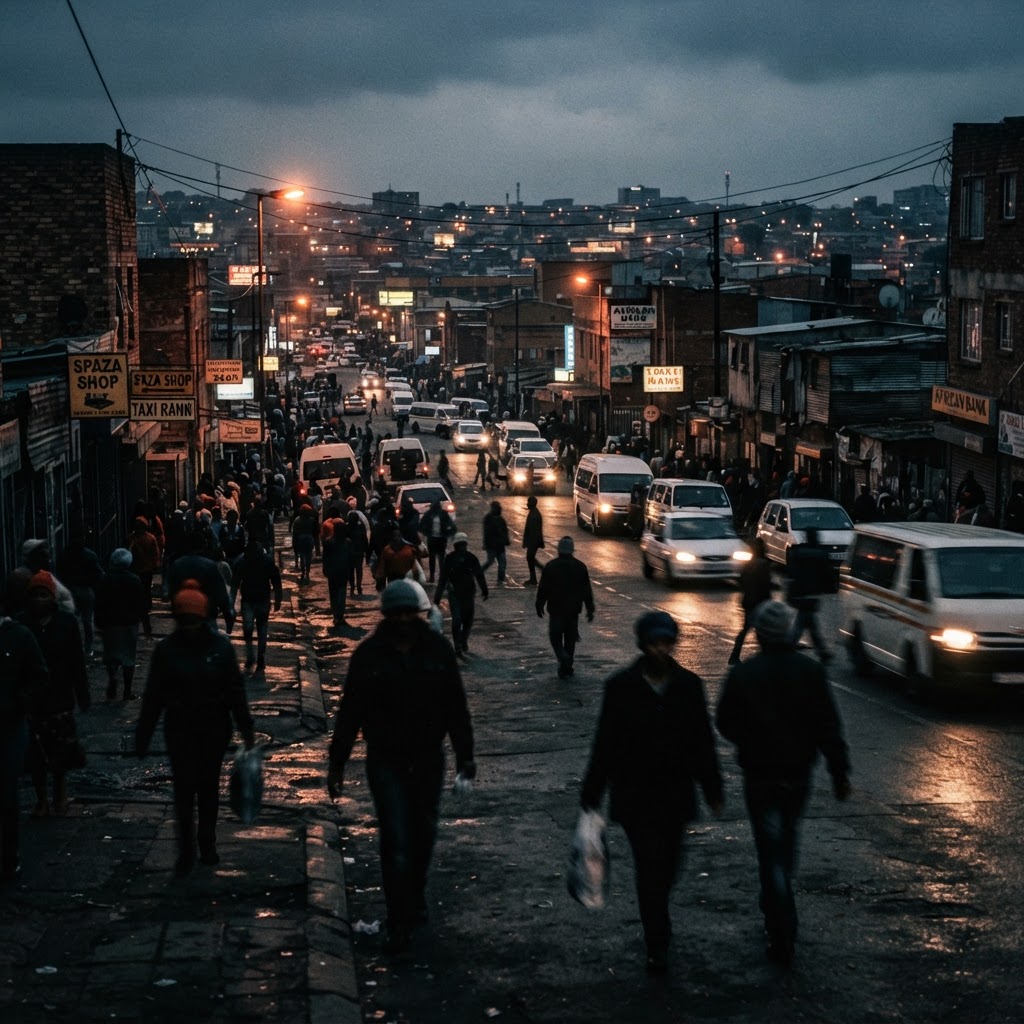
The streets of Durban were stained with blood earlier this week following a barbaric act of vigilante violence that claimed the life of a migrant. A defenceless individual, believed to be in his late thirties, was cornered by a rampaging crowd of fifty people. This horrific event serves as a harrowing reminder of the volatility currently gripping our metropolitan areas. As the dust settles, the nation is left grappling with the moral and social implications of such unchecked aggression. Police have launched an investigation into the circumstances surrounding the fatal assault, though the motives remain murky amidst the chaos. What is clear, however, is that this incident was not an isolated outburst but a symptom of a much deeper malaise. For months, residents in major economic hubs like Johannesburg and Durban have witnessed a surge in civil unrest. During this period, immigrant-operated enterprises have been repeatedly pillaged, and personal property has been consigned to the flames. These displays of hostility are increasingly becoming a hallmark of our current social landscape, posing a direct threat to the rule of law. The tragedy in Durban holds profound significance for every South African. We are observing the gradual erosion of the social contract, where the state’s inability to maintain order emboldens perpetrators and isolates the vulnerable. Beyond the human cost, there is a tangible danger to our international standing. Our diplomatic ties with fellow African nations are fraying as reports of these brutal episodes spread across the continent. Foreign investment and tourism—sectors already struggling—are unlikely to thrive in an environment where safety is contingent on one’s nationality. Furthermore, the persistence of these attacks forces us to confront uncomfortable truths about our national identity. Are we losing our way in the pursuit of scapegoats for our own socioeconomic hardships? The failure of law enforcement to anticipate and deter such large-scale gatherings suggests a systemic gap in our security apparatus. Without a robust, transparent, and fair approach to managing migration and addressing community grievances, we risk spiralling into a cycle of lawlessness that will haunt future generations. Security experts have long warned that the weaponisation of anti-migrant sentiment is a powder keg. While the police attempt to piece together the events that led to this man's final moments, the broader public must reckon with the environment that allowed fifty people to justify taking a life. If we remain passive observers, the integrity of our democracy and our commitment to human rights will continue to diminish. The path forward requires more than just reactive policing; it demands a unified stance against the culture of impunity. We must ask whether our society can truly flourish when fear dictates the boundaries of our neighbourhoods. Ensuring justice for the victim is not only a legal imperative but a test of our national soul. Until the state demonstrates the capacity to protect all residents, regardless of their origin, the shadow of xenophobia will continue to cast a dark cloud over the promise of our democracy.
About the Author
Thabo Ndlovu
Staff Reporter
Thabo Ndlovu reports for National Post UK with a focus on rigorous analysis and authoritative journalism — a trusted voice across British public life.
Reader Discussion · 4
Subscribers can join the conversation.
SUBSCRIBE TO COMMENT →How has it come to this? Mob rule is never the answer to complex societal issues, and it only serves to isolate the country further on the global stage. My heart goes out to the family of the man who lost his life.
I spent several years working in South Africa, and I fear this is symptomatic of a much larger breakdown in law and order. The local authorities have been far too slow to address the grievances of the populace, and now we are seeing the inevitable, tragic result.
While this violence is inexcusable, the international community needs to look at the underlying economic pressures driving these communities to such extremes. You cannot have a national crisis without addressing the systemic poverty that feeds this level of desperation.
It is absolutely heart-breaking to read about such senseless brutality. We seem to be seeing a rise in this kind of vigilante violence globally, and it is a deep stain on the conscience of any civilised society.