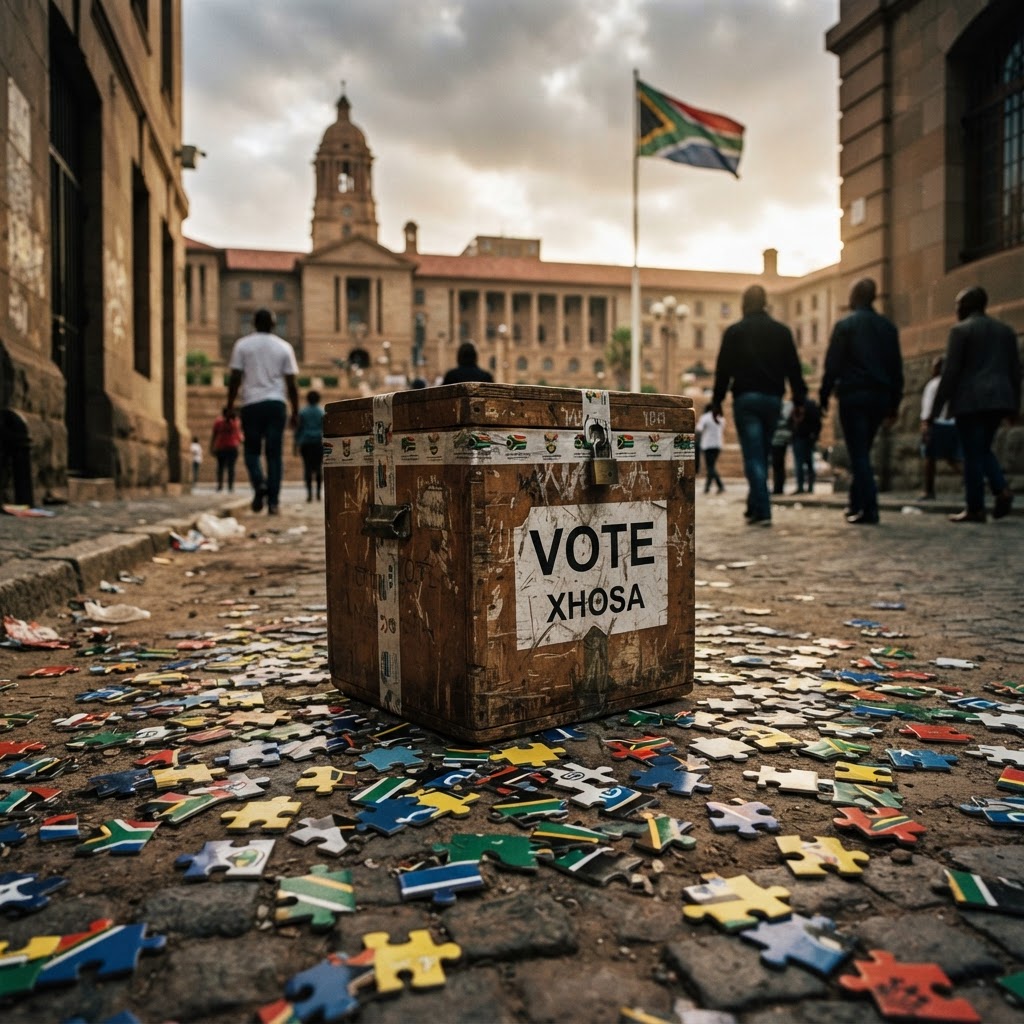
The delicate architecture of South Africa's Government of National Unity (GNU) faces its most significant stress test to date following an explosive demand from the ANC Youth League. Under the leadership of Collen Malatji, the youth organization has issued a formal ultimatum to President Cyril Ramaphosa, insisting that all cabinet members representing the Democratic Alliance be stripped of their portfolios. This bold move brings to the surface the simmering resentment within the ANC's ranks regarding the party's historic decision to share executive power with its long-time political rivals.
For many ANC supporters, the sight of DA ministers occupying key government offices remains a bitter pill to swallow. The youth wing argues that the current arrangement has done little to advance the socioeconomic aspirations of the black majority. According to the ANCYL, the partnership has effectively preserved an economic status quo that leaves millions trapped in cycles of poverty and unemployment. By demanding a purge of these ministers, the league is positioning itself as the voice of a frustrated base that feels betrayed by the current power-sharing arrangement.
Political analysts suggest that the timing of this demand is anything but coincidental. With the local government elections looming on November 4, the ANCYL is likely attempting to claw back support from the Economic Freedom Fighters and other left-leaning factions. By articulating a hardline stance against the DA, the youth leadership hopes to convince disillusioned voters that the ANC remains committed to radical economic transformation rather than moderate, coalition-based governance.
However, the DA has largely brushed off these threats as political theater from junior members of the governing alliance. Party leadership maintains that their participation in the national cabinet is focused on policy delivery and economic stabilization rather than engaging in the rhetoric of local branch politics. They assert that their mandate is to serve the country under the president's leadership, regardless of the noise emanating from the party’s youth auxiliary.
This friction is not merely a matter of partisan squabbling; it reflects the deep ideological divide that defines modern South African politics. The GNU was conceptualized as a pragmatic response to a lack of a clear electoral mandate, yet its survival depends on a precarious balance between neoliberal fiscal policy and the ANC’s populist roots. Every time a disagreement of this magnitude reaches the public eye, it sends ripples of uncertainty through the markets and weakens investor confidence in the nation's democratic stability.
The question now remains how President Ramaphosa will manage his recalcitrant youth wing without alienating his DA partners. His ability to maintain a coherent cabinet while the political landscape grows increasingly polarized will be the ultimate measure of his leadership effectiveness. If he yields to the demands, the GNU could collapse entirely; if he ignores them, he risks a total fracture within the ANC itself.
Ultimately, the average citizen caught in the middle of these high-stakes negotiations simply wants to see improved service delivery and job creation. As the country moves toward the November polls, the ANCYL’s intervention serves as a stark reminder that South Africa’s political evolution is far from finished. The stability of our democratic institutions depends on whether these parties can prioritize the national interest over the short-term political gains that define the current election cycle.