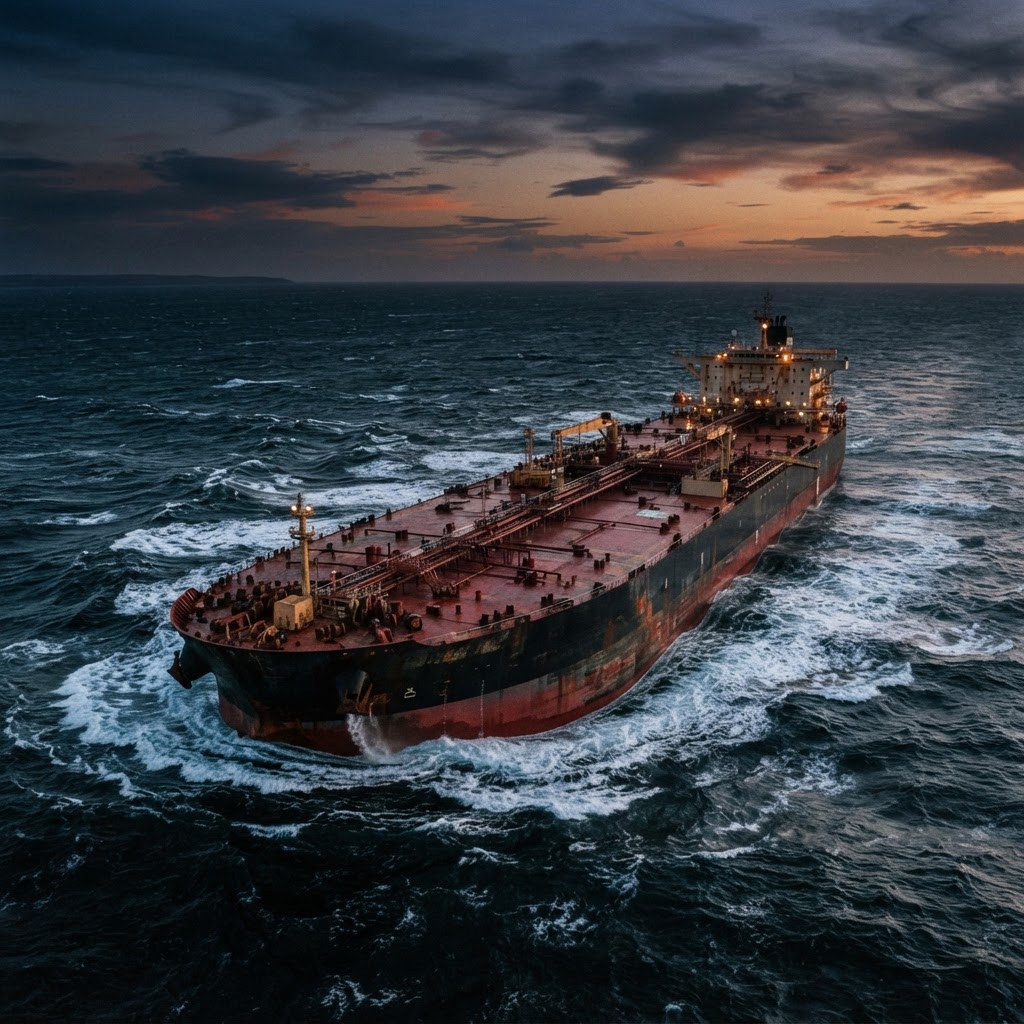
Global markets were sent into a tailspin this week as crude valuations climbed by two dollars a barrel, a direct reaction to the worsening confrontation between Iran and its regional rivals. The strategic bottleneck of the Strait of Hormuz, a narrow passage responsible for a massive share of the world’s daily oil flow, has become the epicenter of this latest crisis. As naval assets gather and threats of blockade intensify, the ripple effects are being felt thousands of kilometers away in the bustling markets and quiet suburbs of South Africa. For a nation that relies heavily on importing its petroleum requirements, the sudden price hike is an ominous signal of impending financial turbulence. The country’s dependence on foreign refined products means that when the global market sneezes, the South African consumer catches a particularly harsh cold. Fuel is the lifeblood of our logistics network, powering everything from heavy freight on the N3 to the local taxi fleets that ensure our workforce remains mobile. When the wholesale price of oil moves upward, the domestic petrol pump is rarely shielded for long. This latest surge comes at a precarious time for an economy attempting to find its footing after a prolonged period of stagnant growth. Economists are already ringing the alarm bells, noting that this inflationary pressure could derail fragile progress made in stabilizing our fiscal position. Rising fuel costs are not merely a nuisance; they are a direct tax on the poor, who spend a disproportionate amount of their limited income on transport and basic goods. Furthermore, the broader inflationary environment created by higher energy costs makes it increasingly difficult for the South African Reserve Bank to manage interest rates. A spike in transport costs flows through the entire supply chain, raising the price of everything from maize meal to industrial raw materials. With household debt levels already at record highs, the prospect of further rate hikes to counter inflation is a bitter pill to swallow for millions of families. This volatility poses a genuine risk to our national GDP outlook just as government officials and policymakers brace for crucial credit rating reviews. Maintaining investor confidence is a delicate balancing act, and external shocks like this one only heighten the perception of risk associated with emerging markets. While the government may have limited control over the flow of oil through the Persian Gulf, the domestic impact must be managed with extreme caution. We have seen how quickly energy costs can erode the competitive advantage of our manufacturing and mining sectors, which are already struggling against the weight of infrastructure challenges. As the diplomatic standoff continues, the outlook remains bleak for anyone hoping for a short-term reprieve in energy pricing. South Africans should prepare for a period of economic caution, as the price of global conflict continues to be paid in rands and cents at home.
TopicsDaily StandardWorldSABC News
About the Author
TN
Thabo Ndlovu
Staff Reporter
Thabo Ndlovu reports for National Post UK with a focus on rigorous analysis and authoritative journalism — a trusted voice across British public life.
Reader Discussion
Subscribers can join the conversation.
SUBSCRIBE TO COMMENT →No comments yet. Be the first to share your thoughts.