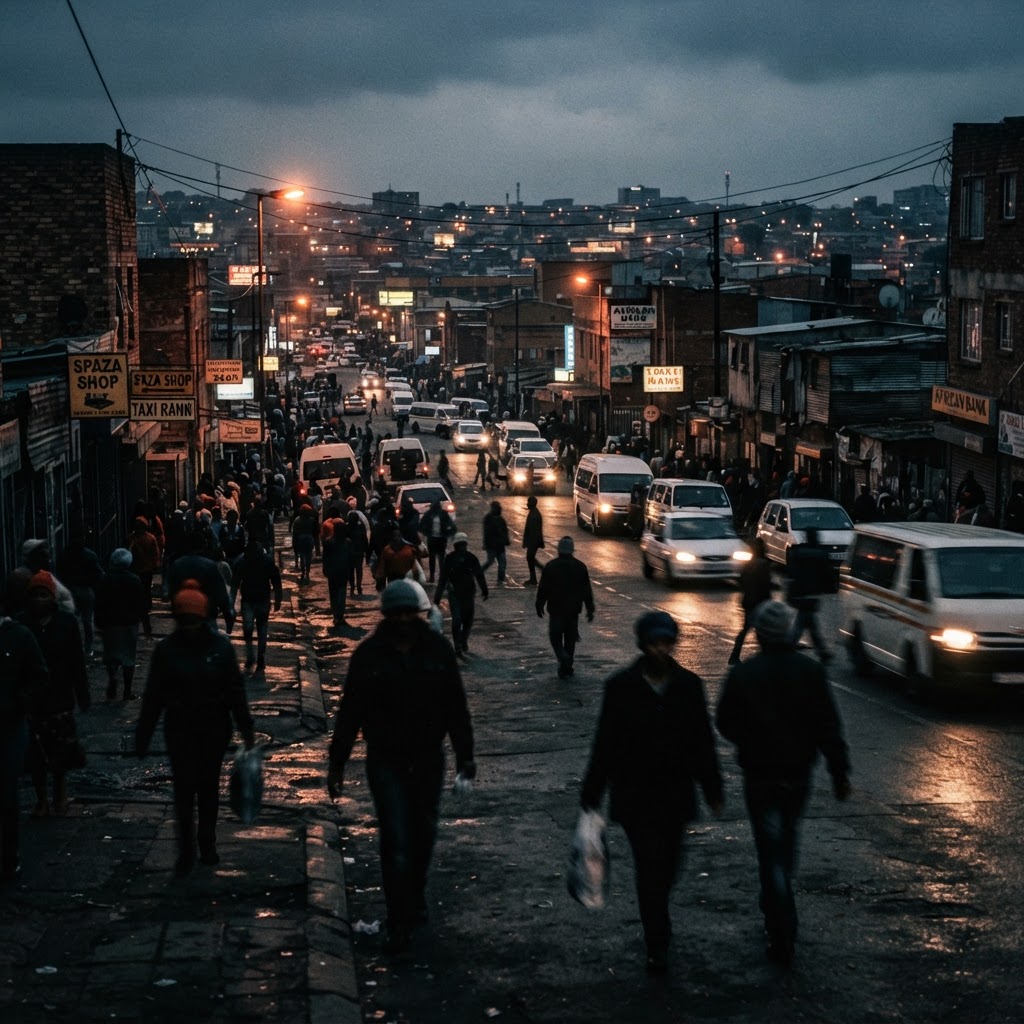
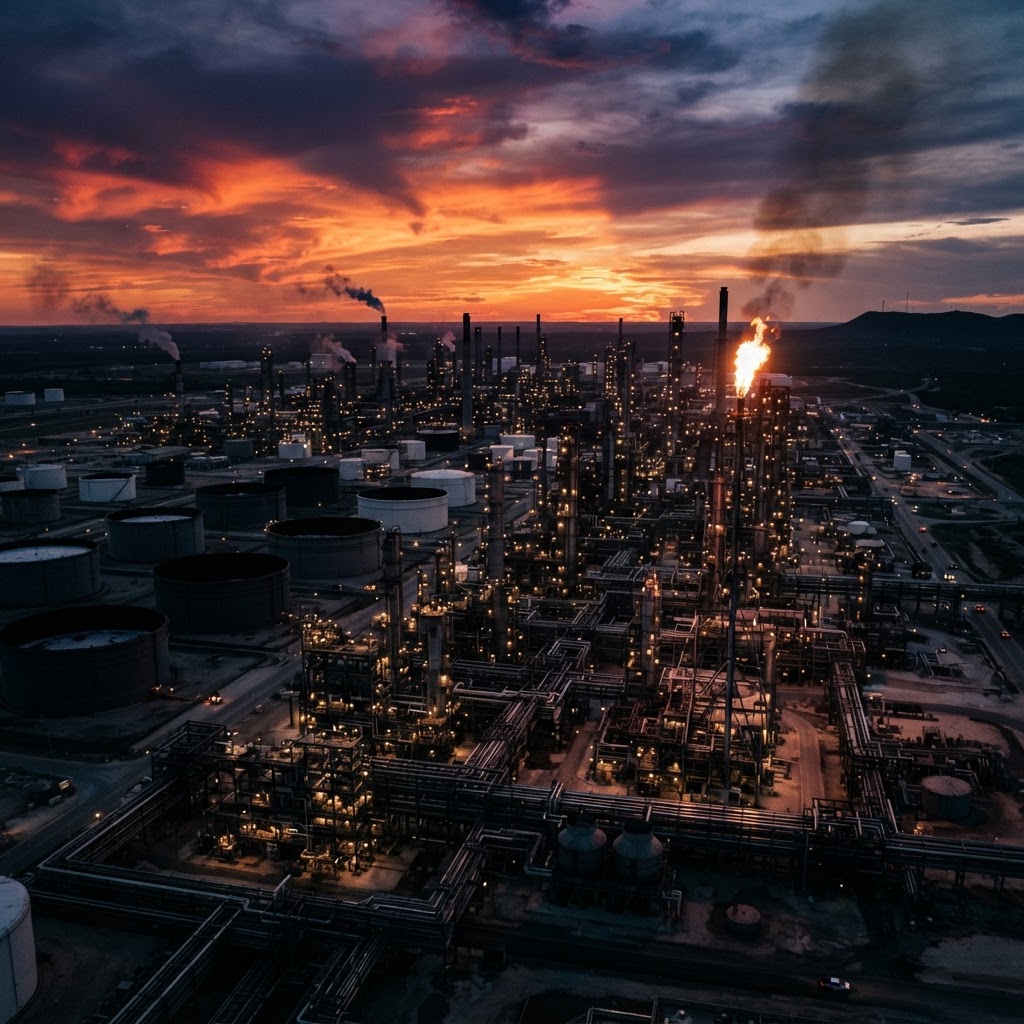
A escalating series of aerial strikes targeting critical petroleum infrastructure in Saudi Arabia has sent shockwaves through international financial centers this week. The International Monetary Fund has stepped into the fray, issuing a grave advisory regarding the potential for systemic global market volatility. With energy supply chains increasingly under fire, the world is bracing for what economists fear could be a prolonged period of pricing instability that hits net-importing nations the hardest. For South Africa, the implications are immediate and deeply unsettling. Our country relies heavily on the importation of refined petroleum products to sustain the daily movement of goods and people. When the international crude market catches a cold, the South African economy almost invariably ends up with a fever. The vulnerability is structural; because our manufacturing, logistics, and agricultural sectors are heavily indexed to the price of a barrel, any sustained disruption in the Middle East translates into an almost instantaneous increase in the local cost of production. Analysts are already modeling the potential fallout, suggesting that the current market jitters could derail the fragile recovery trajectory many businesses were hoping for this year. The risk is not merely theoretical. As transport costs climb in lockstep with international oil indices, the inflationary effect ripples across every shelf in the retail sector. Food security, already a precarious issue for millions of households grappling with the high cost of living, could be further compromised if logistical expenses become untenable for distributors. The South African Reserve Bank will likely keep a watchful eye on these developments. If these energy-driven shocks persist, they may trigger a secondary wave of inflation that forces the central bank to maintain higher interest rates for longer than previously anticipated. This would tighten credit conditions just as the domestic economy needs room to breathe. Business leadership across the nation is not waiting for a catastrophe to act. Industry associations are currently recalibrating their outlooks, anticipating that the volatility originating thousands of kilometers away will erode profit margins and compel a hard look at efficiency measures. There is a palpable sense of apprehension in the boardroom as executives account for an environment where fuel prices could remain uncomfortably high well into the next quarter. The geopolitical complexity of these attacks means there is no quick-fix solution on the horizon. Until there is a cooling of hostilities and a guaranteed return to stable supply throughput, global markets will remain jittery. For the average South African, the message from the markets is clear: brace for impact at the pump. We remain tethered to the whims of global energy geopolitics, and until our own energy mix is diversified and insulated from such shocks, we are effectively passengers in someone else’s conflict. Navigating the coming months will require a steady hand from policymakers and a prudent approach from the private sector to prevent this external crisis from escalating into a domestic economic emergency.
About the Author
Fatima Mokoena
Staff Reporter
Fatima Mokoena reports for National Post UK with a focus on rigorous analysis and authoritative journalism — a trusted voice across British public life.
Reader Discussion · 4
Subscribers can join the conversation.
SUBSCRIBE TO COMMENT →This is exactly why the transition to renewables needs to be accelerated. Being so heavily tethered to fossil fuel infrastructure in unstable regions is a strategic vulnerability we can no longer afford.
While the situation in the Middle East is undeniably serious, we must be careful not to panic. Global oil markets are resilient, and these price fluctuations often settle once the initial shock passes.
My small business is already struggling with overheads, and this news is just terrifying. If energy costs spike again, I simply do not see how we will manage to stay open through the winter.
It feels like we have been here before with these supply shocks. The government really needs to stop dithering and provide a concrete plan for domestic energy security instead of relying on volatile foreign markets.