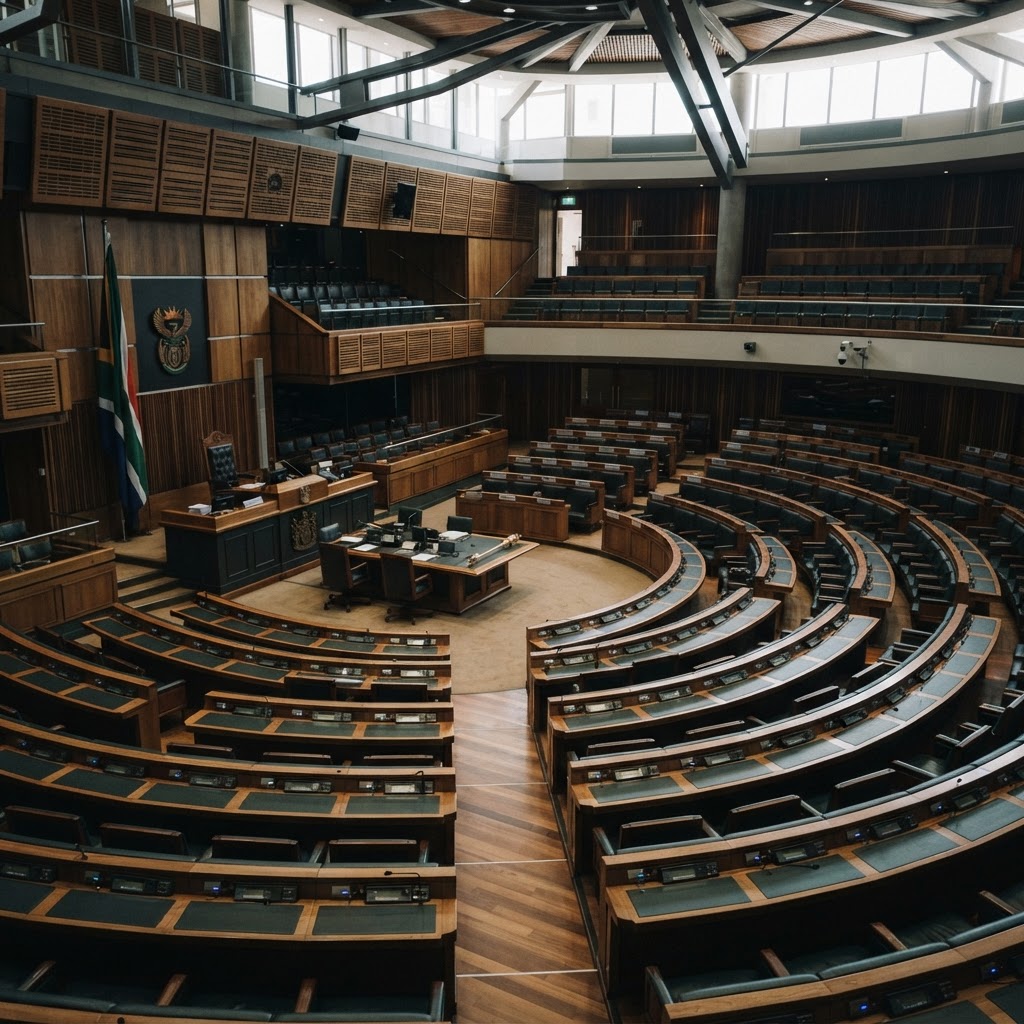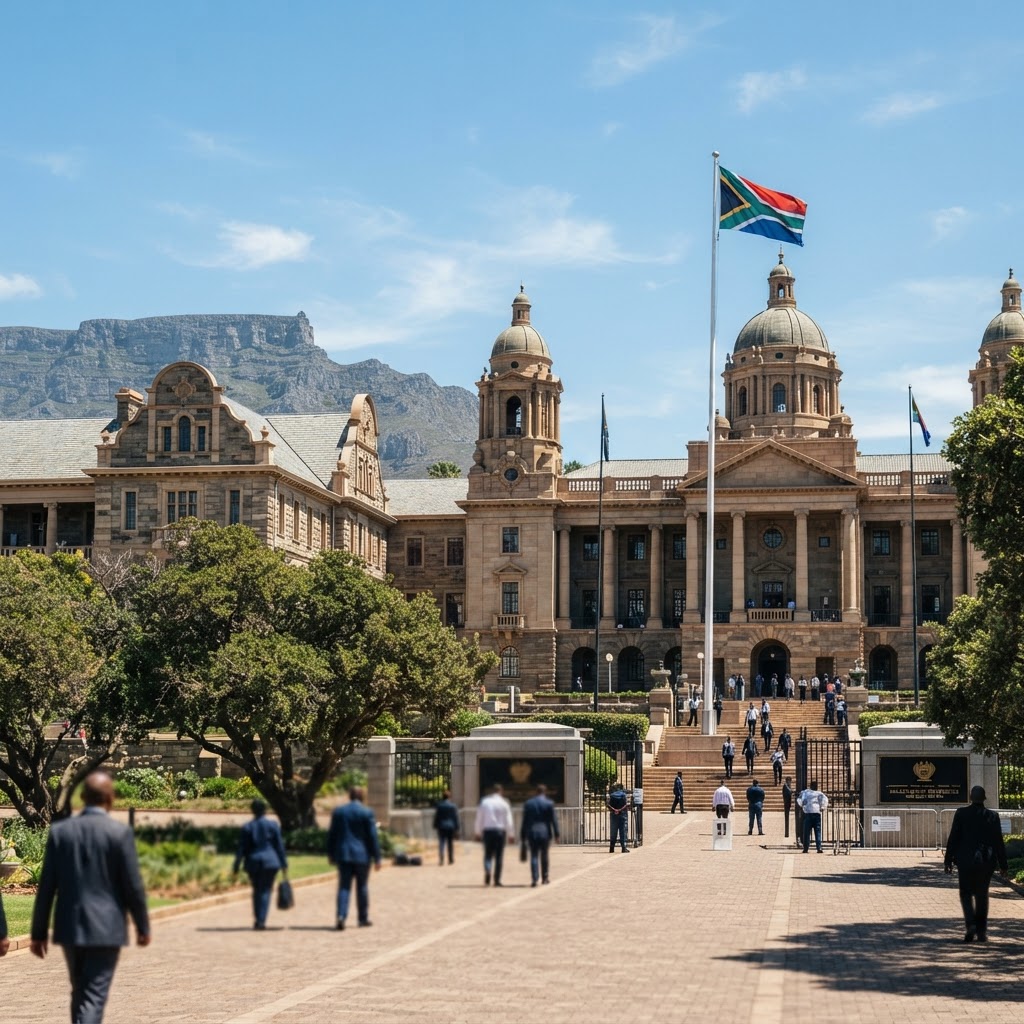
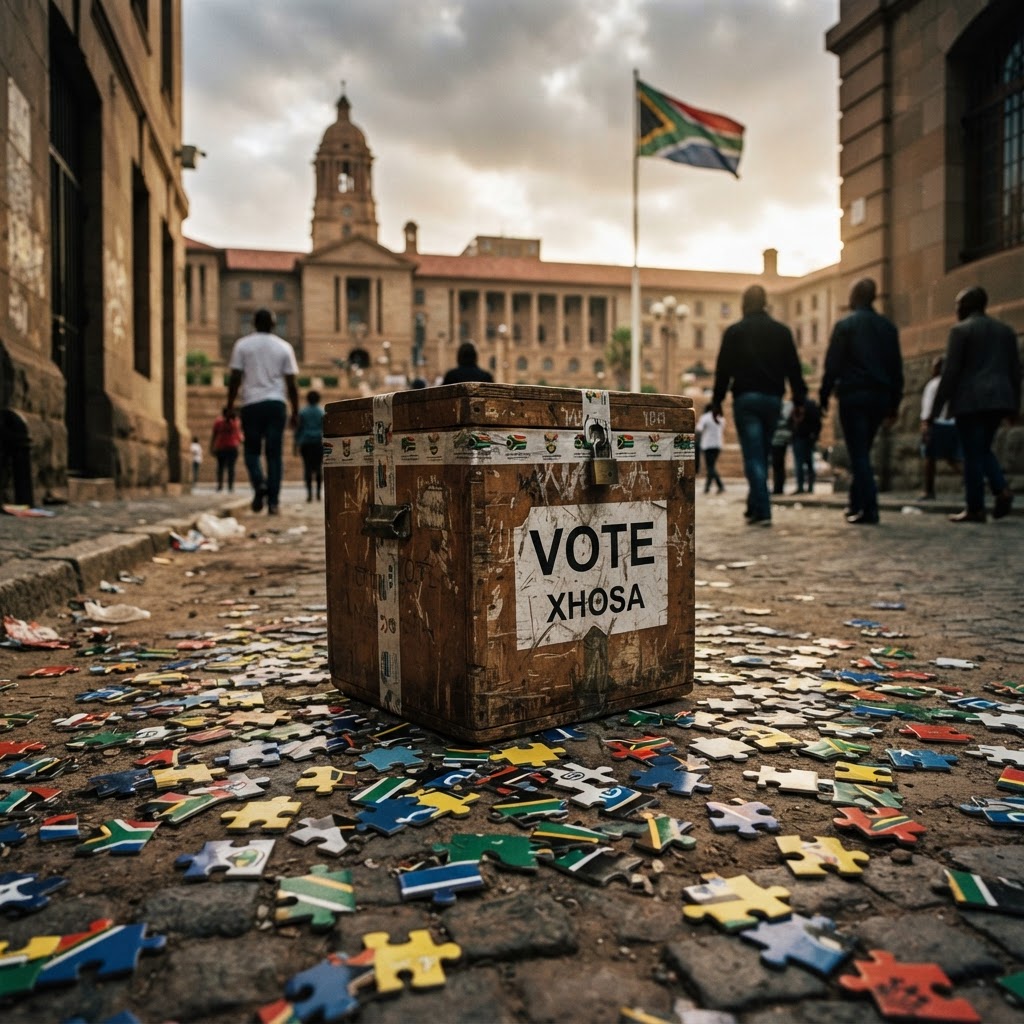
The political tectonic plates of South Africa are shifting with renewed intensity as the nation pivots toward the 2026 local government elections. Recent empirical data gathered from four distinct national surveys paints a portrait of an electorate in flux, signaling a period of profound uncertainty for the ruling party and a newfound audacity among the opposition benches. As the countdown to November 4 begins, the findings offer more than just numbers; they provide a mirror to a country grappling with the limitations of the current governing consensus. The African National Congress, which long stood as the monolithic architect of local administration, is facing a tangible erosion of its base. Tracking data confirms a regression of at least six percentage points since the 2024 general election cycle, a slide that suggests the party’s historical hegemony is evaporating in the face of persistent service delivery crises. In contrast, the Democratic Alliance is charting a trajectory of upward mobility, posting gains of at least three percentage points. This growth reflects a targeted effort to capitalize on the governing party’s institutional fatigue. Meanwhile, the uMkhonto weSizwe party—once considered the most unpredictable variable in the national equation—appears to have hit a plateau. The momentum that fueled its rapid entry into the legislative arena seems to have stalled, leaving the party searching for a new strategic narrative to reconnect with dissatisfied voters. This stagnation is particularly noteworthy in the context of the upcoming municipal battle, where local issues often supersede national loyalties. The granular data reveals that these national trends are merely the tip of the iceberg, particularly when one examines the urban centers. In the economic powerhouse of Gauteng, the ANC is experiencing a more acute structural collapse. These metropolitan regions, already characterized by fragile service infrastructure and erratic utility supply, are becoming the primary theater for this shift. For the average South African resident, these polls represent far more than political theater. The looming prospect of municipal gridlock and the proliferation of hung councils mean that the stability of local government is under siege. As the reliance on coalition governance becomes the new standard rather than the exception, voters must prepare for a future defined by complex power-sharing negotiations. The implications for the Government of National Unity are significant. If local governance becomes paralyzed by constant infighting and unstable partnerships, the trickle-down effect on economic development and poverty alleviation will be severe. The rise of smaller, niche political entities only adds to this fragmentation, creating a crowded field where consensus is increasingly difficult to manufacture. Looking ahead to the November polls, the electorate is sending a clear message: the traditional binary of South African politics is dead. Whether the current administration can adapt to this fragmented reality or whether the nation is destined for a cycle of perpetual administrative instability remains the central question of our time. As the campaign rhetoric heats up, the coming months will test the resilience of our democratic institutions more than ever before.
About the Author
Fatima Mokoena
Staff Reporter
Fatima Mokoena reports for National Post UK with a focus on rigorous analysis and authoritative journalism — a trusted voice across British public life.
Reader Discussion · 6
Subscribers can join the conversation.
SUBSCRIBE TO COMMENT →Polls are often unreliable in such a volatile political climate. I suspect the actual results will look very different from these surveys once the campaign trail really kicks off.
Having spent time working in Johannesburg, I think people are just exhausted by the corruption. They are finally voting with their heads instead of relying on past allegiances.
The real question is who fills the vacuum if they do lose their majority. Coalition governments are notoriously unstable, and I worry about the potential for complete deadlock.
This shift was inevitable given the infrastructure failures and service delivery issues. Voters are finally demanding accountability rather than just loyalty.
I am not so sure we should write them off just yet. History shows they have a remarkable ability to mobilise their base when the stakes are high, regardless of the polls.
It has been coming for a long time. The ANC have become complacent and lost touch with the realities facing ordinary people on the ground.