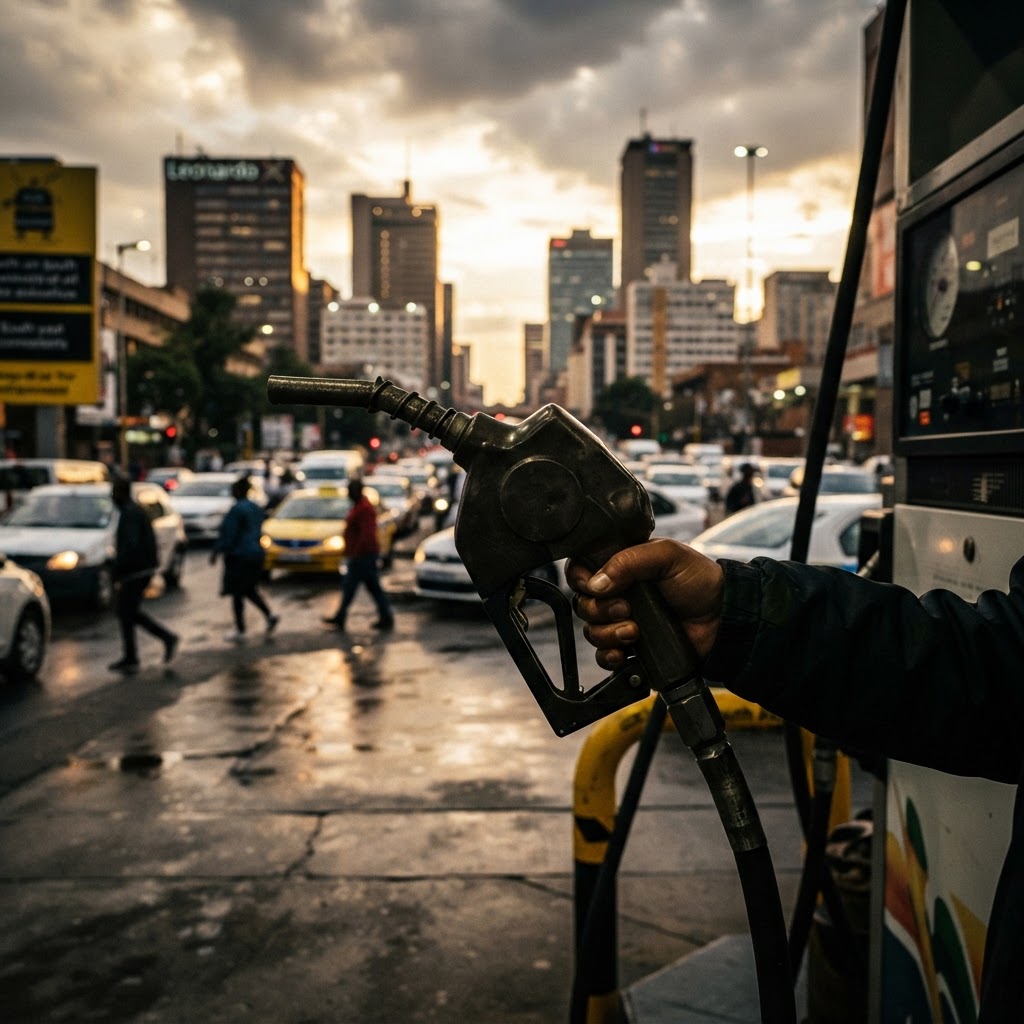

As Enoch Godongwana approaches the podium for his 2026 Medium-Term Budget Policy Statement, the atmosphere in Pretoria is markedly different from the frantic emergency measures of previous years. For much of the recent past, the national treasury has been trapped in a relentless cycle of debt management and crisis mitigation. Now, the narrative is shifting. The government claims to have successfully steadied the ship, but for ordinary South Africans, the transition from stabilization to tangible economic expansion feels agonizingly slow. The real test begins today: how does a government that has spent years tightening its belt find the agility to stimulate a struggling economy? For millions of households reeling from the cost-of-living crisis, the answer to this question determines whether the next twelve months bring genuine relief or further belt-tightening. The central challenge for the Finance Minister lies in managing the competing interests of a restless citizenry and a cautious investor base. Public sentiment remains fragile, fueled by the persistent cost of fuel and the crushing burden of high electricity prices. Calls for continued state-subsidized relief are mounting, yet the state coffers are not bottomless. Every cent directed toward consumer cushioning is a cent withdrawn from the structural reforms required to ignite the private sector. The Minister must navigate this narrow corridor with surgical precision, knowing that missteps could unsettle markets or trigger further social unrest. Business leaders are watching closely for concrete signals regarding infrastructure. Industry titans and sector representative groups have been vocal about the need for a predictable regulatory environment that allows private capital to flow into ports, rail, and telecommunications. If the government fails to demonstrate a clear roadmap for cutting red tape and ensuring reliable service delivery, the investment stagnation that has characterized the last decade will likely persist. This is not merely an economic exercise; it is a structural necessity for a nation where youth unemployment remains a chronic, explosive reality. Furthermore, the internal pressure within government departments to increase spending creates a major hurdle for fiscal integrity. While calls for better social services are justified, the Minister must remain the primary guardian of the national purse. His ability to enforce discipline across the cabinet will indicate whether South Africa is truly committed to the long-term reforms promised during the last election cycle. The era of loose fiscal policy has long since passed, and the current administration is fully aware that market confidence is the only buffer against future sovereign debt crises. The urgency of this budget cannot be overstated. South Africa stands at a crossroads where the stability achieved through austerity must now yield to the energy of industrial growth. If the government succeeds in striking this balance, it could provide the breathing room needed for the private sector to finally begin aggressive expansion. If it fails, the country risks sliding back into the same fiscal anxiety that paralyzed growth for years. For the average citizen, the hope is that this budget provides more than just macroeconomic rhetoric. They are looking for clear indicators that the state can manage its own expenses effectively while creating the conditions for jobs to return to the market. The upcoming speech will be more than a set of numbers; it will be a declaration of whether South Africa is ready to exit the waiting room of reform and enter the arena of recovery.
About the Author
Fatima Mokoena
Staff Reporter
Fatima Mokoena reports for National Post UK with a focus on rigorous analysis and authoritative journalism — a trusted voice across British public life.
Reader Discussion · 11
Subscribers can join the conversation.
SUBSCRIBE TO COMMENT →Growth requires confidence, and confidence is currently in short supply among small business owners. I am hoping this statement offers more than just accounting gymnastics.
The Treasury has been in a firefighting mode for too long. Moving towards a long-term plan is the right move, provided they have the backbone to stick to the spending caps.
We need to hear more about private sector involvement in our national projects. Government alone simply lacks the capital to drive the growth we desperately need.
Fiscal discipline is a bitter pill, but the alternative is far worse for our international credit rating. It is a necessary evil if we want to avoid further volatility.
I will believe it when I see it in my pay packet. Every year there is talk of a delicate balance, yet the average family is left worse off than the year before.
It is high time we saw a shift from pure austerity to something resembling a growth strategy. We cannot simply tax and cut our way to prosperity while infrastructure crumbles.
We need to see genuine structural reform, not just another adjustment to tax thresholds. Without radical change, we are simply rearranging deckchairs on the Titanic.
I suppose we should be grateful that the frantic emergency measures have finally ceased. Perhaps now the Treasury can focus on creating an environment where businesses actually feel confident enough to expand.
Balancing the books is essential, but cutting too deep into public services will only stifle the recovery we are so desperately seeking. It is a very narrow path to walk.
I am not holding my breath, as we have heard these promises of fiscal discipline many times before. The reality for most households remains a desperate struggle against rising costs and stagnant wages.
It is high time we saw some actual investment in infrastructure rather than just shuffling debt around. A sensible budget needs to prioritise long-term growth over short-term political posturing.