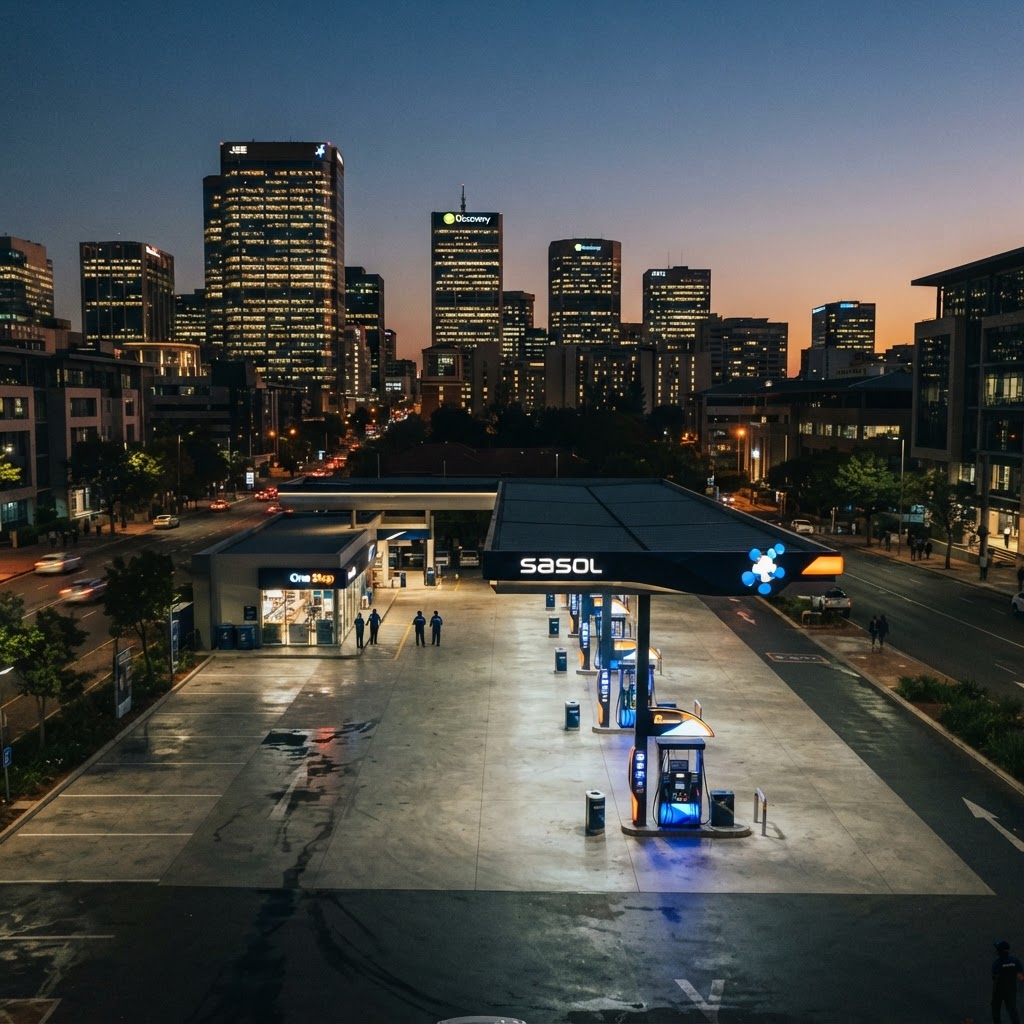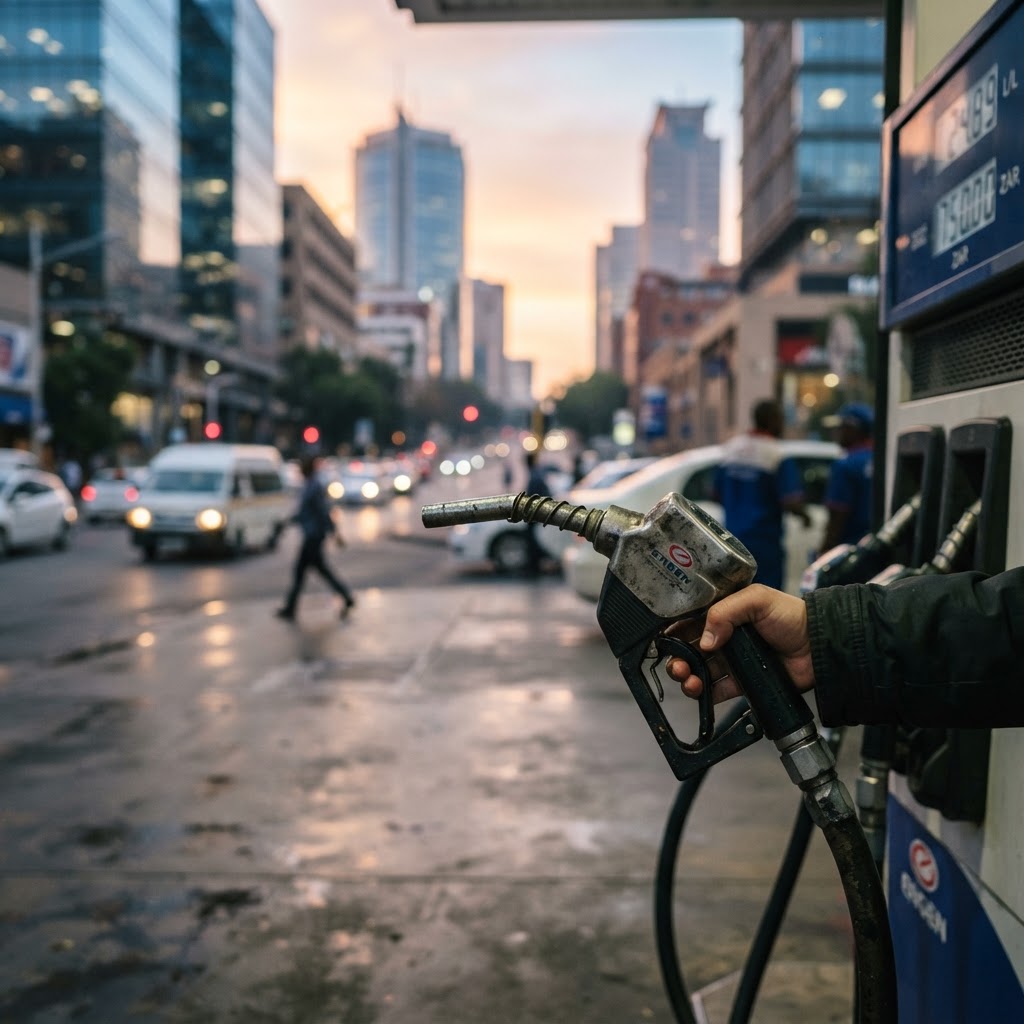
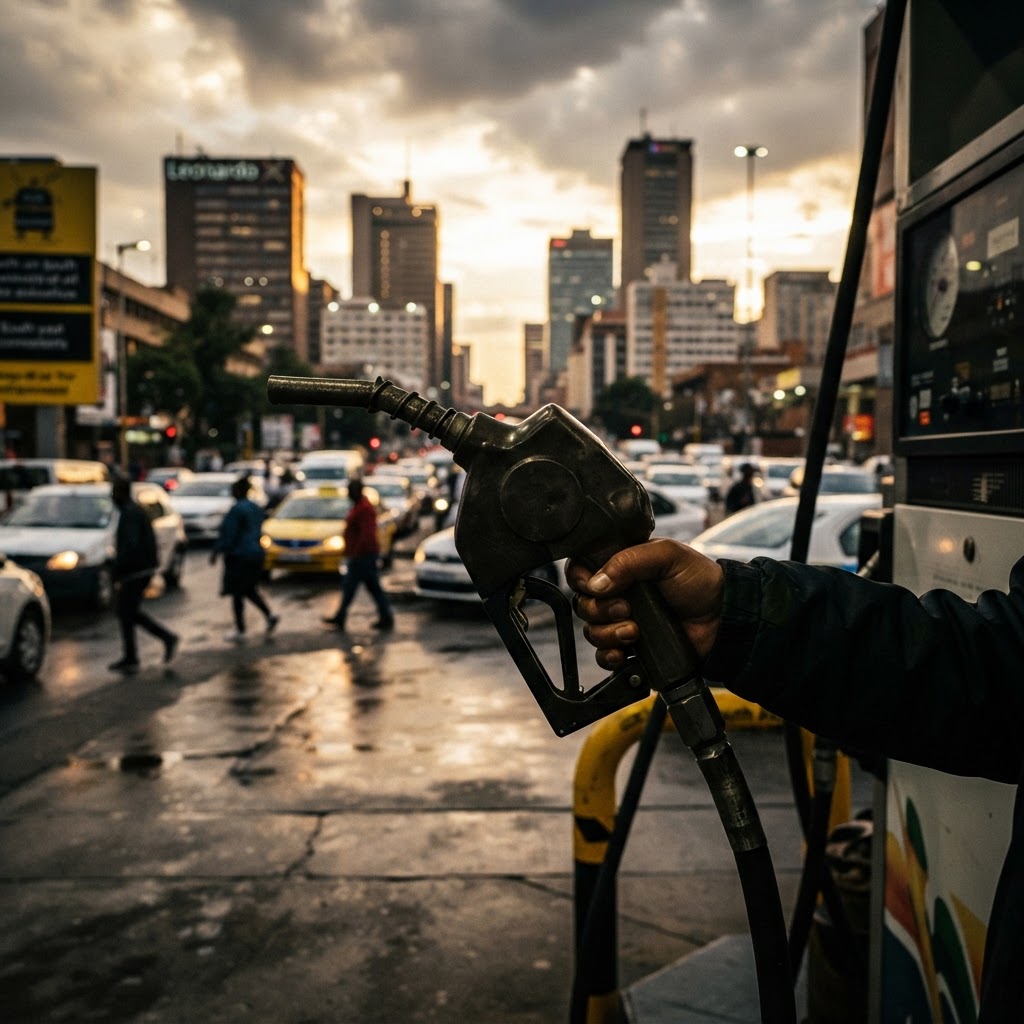
The Union Buildings are currently a hive of intense deliberation as the government confronts a growing public clamor for immediate relief from the relentless escalation of pump prices. President Cyril Ramaphosa has acknowledged the deepening severity of the situation, signaling that the executive is weighing several fiscal interventions to provide a temporary shield for cash-strapped South Africans. The current cost-of-living squeeze, exacerbated by volatile international energy markets, has left the average consumer navigating a precarious financial landscape where even basic subsistence is becoming increasingly unaffordable. While official policy details remain under wraps, the Minister of Finance is anticipated to present a menu of options that could potentially offer minor respite at the pump. This move comes as the administration grapples with the delicate task of balancing the state's tight budgetary restrictions against the undeniable necessity of supporting a citizenry struggling with high unemployment and flat-lining economic activity. The connection between fuel costs and broader inflation remains the central concern for local economic analysts. Because fuel constitutes a critical input for logistics, the soaring price of diesel directly inflates the cost of transporting food and basic commodities from production sites to retail shelves. This chain reaction creates a multiplier effect that pushes the Consumer Price Index higher, further eroding the purchasing power of low-income families. For the taxi industry, which remains the lifeblood of South African commuting, the margins have been stretched to a breaking point. Operators are caught in a difficult position: absorb the mounting costs or pass them on to commuters who are already stretched to their limit. This reality highlights the fragility of our transport network, where any further spike in global oil benchmarks could trigger widespread social unrest or labor demands for higher wages to cover basic travel expenses. South Africa’s reliance on imported refined petroleum products leaves the economy inherently vulnerable to the fluctuations of the rand and international supply shocks. The government’s forthcoming intervention is being viewed as a litmus test for its ability to navigate systemic challenges while maintaining macroeconomic stability. Business leaders and labor unions alike are waiting for a clear signal on whether the state will consider a temporary fuel levy freeze or perhaps a broader restructuring of the road accident fund contributions that currently comprise a significant portion of our petrol prices. However, economists warn that there is no magic solution. Any revenue sacrificed by the state to reduce fuel taxes must be recovered elsewhere, potentially risking other essential social spending programs. The challenge for Ramaphosa’s administration is to craft an intervention that is targeted and temporary, ensuring that the most vulnerable households receive support without destabilizing the national fiscus. Ultimately, the crisis is not merely a numbers game for the Ministry of Finance; it is a human rights issue. As the cost of survival climbs, the social fabric of the nation is being tested. The upcoming policy announcement is a critical milestone that will determine whether the state can alleviate the immediate burden on consumers or if South Africans must brace for a prolonged period of belt-tightening. All eyes now turn to the Treasury as the nation awaits a strategy that offers more than just a temporary reprieve.
About the Author
Thabo Ndlovu
Staff Reporter
Thabo Ndlovu reports for National Post UK with a focus on rigorous analysis and authoritative journalism — a trusted voice across British public life.
Reader Discussion · 6
Subscribers can join the conversation.
SUBSCRIBE TO COMMENT →I am fairly skeptical about what the President can actually achieve here. Global oil prices are outside of his control, so this looks more like a PR exercise than a real solution.
Intervention is all well and good, but we need a structural change to our energy strategy. We are far too reliant on imports which leaves us at the mercy of global markets.
As a haulage driver, the current fuel prices are making it nearly impossible to turn a profit. I hope any intervention focuses on the transport sector so we can keep the supply chain moving.
This feels like a classic case of too little, too late. We have been feeling the squeeze at the pumps for months now and yet the discussions only start when the public gets loud.
While I appreciate the need for relief, I worry about where this money will come from. We cannot keep subsidising costs without impacting our long-term fiscal stability.
It is about time the government stepped in. The cost of fuel is strangling small businesses and making the weekly shop unaffordable for most of us.