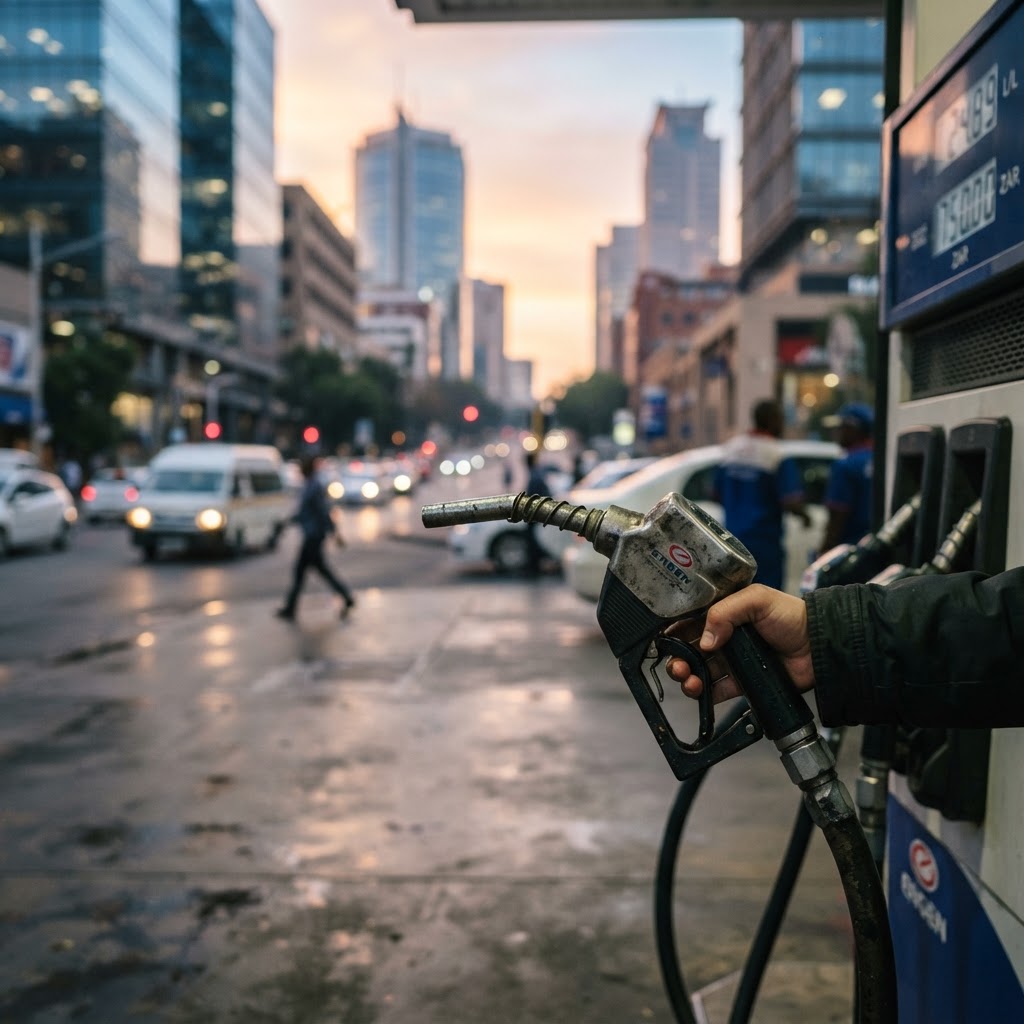

The atmosphere in Pretoria this week is thick with cautious optimism as the National Treasury prepares for the highly anticipated mid-term budget policy statement. For years, the narrative surrounding the domestic economy has been dominated by ballooning liabilities and the suffocating weight of debt servicing costs. However, as the countdown to Wednesday’s announcement begins, the chatter among institutional economists suggests we may be witnessing the beginning of a genuine fiscal turnaround. If the numbers align with recent projections, this policy update could mark the most significant turning point for South African state finances in a decade. Economists have spent the last few weeks parsing the data, and there is a growing consensus that the relentless climb of our debt-to-GDP ratio may finally be losing its momentum. While the peak reached last year was a sobering milestone, the current trajectory points toward a stabilization phase that market observers have long been waiting for. This is not merely a technical adjustment; it represents a potential shift in the government’s ability to navigate the volatile currents of international finance. The shift comes down to a more disciplined approach to revenue collection and a tighter grip on the national purse strings. For too long, the disconnect between spending ambitions and actual tax receipts has hollowed out the state’s capacity to function. Now, signs suggest that a more robust fiscal anchor is being forged, which could effectively soothe the anxieties of international investors who have been hovering on the sidelines of our market. For the average South African, the implications of this budget extend far beyond the dry metrics of treasury spreadsheets. When the state spends a disproportionate amount of its income simply paying interest on loans, that is capital stripped away from healthcare, basic education, and the maintenance of our crumbling municipal infrastructure. A more sustainable debt profile promises to eventually free up room in the budget, potentially alleviating the suffocating pressure on essential services that millions rely on daily. Yet, we must temper our enthusiasm with a dose of local realism. A stabilizing debt path does not mean that the government’s work is done. The administration faces a grueling balancing act: how to satisfy the demands of the financial markets while addressing the desperate need for developmental investment. Voters will be listening closely for signs of how these recovered funds—if any materialize—will be directed toward job creation and infrastructure, rather than being swallowed by the inefficiencies of state-owned entities. The upcoming speech is a litmus test for the government’s credibility. If the minister can present a clear, actionable roadmap that demonstrates fiscal responsibility without sacrificing the dignity of our most vulnerable citizens, it could signal the start of a period of renewed market trust. Conversely, failing to articulate how we move from stabilization to genuine growth would be a missed opportunity that the country can ill afford. As Wednesday arrives, the nation watches with a collective hope that this is the moment we finally begin to turn the tide. If we can master our debt, we can begin to dream of a more stable, investment-friendly future that serves the needs of every South African, rather than just the interests of our creditors.
About the Author
Thabo Ndlovu
Staff Reporter
Thabo Ndlovu reports for National Post UK with a focus on rigorous analysis and authoritative journalism — a trusted voice across British public life.
Reader Discussion · 4
Subscribers can join the conversation.
SUBSCRIBE TO COMMENT →Having spent time working in Pretoria recently, there is definitely a different energy in the business community this time around. It feels like the government is finally starting to listen to the private sector's concerns.
The success of this budget hinges entirely on the implementation of energy reforms. Without a stable power supply, no amount of fiscal policy tinkering will get the wheels of industry turning again.
I will believe it when I see the actual figures. We have heard promises of recovery for years, yet the cost of living and the energy crisis continue to hit the ordinary person hard.
It is about time the Treasury faced these structural issues head-on. While the optimism might be cautious, any sign of fiscal discipline is a step in the right direction for attracting foreign investment.