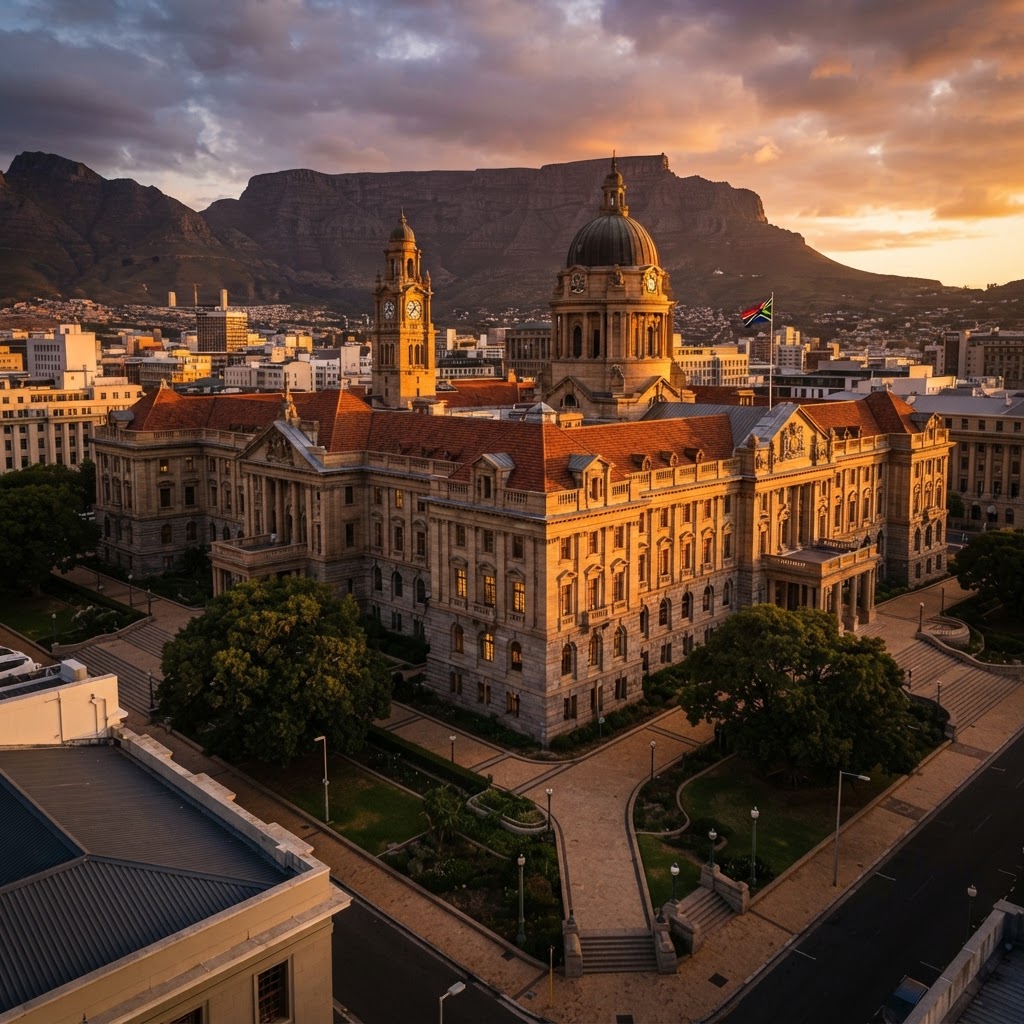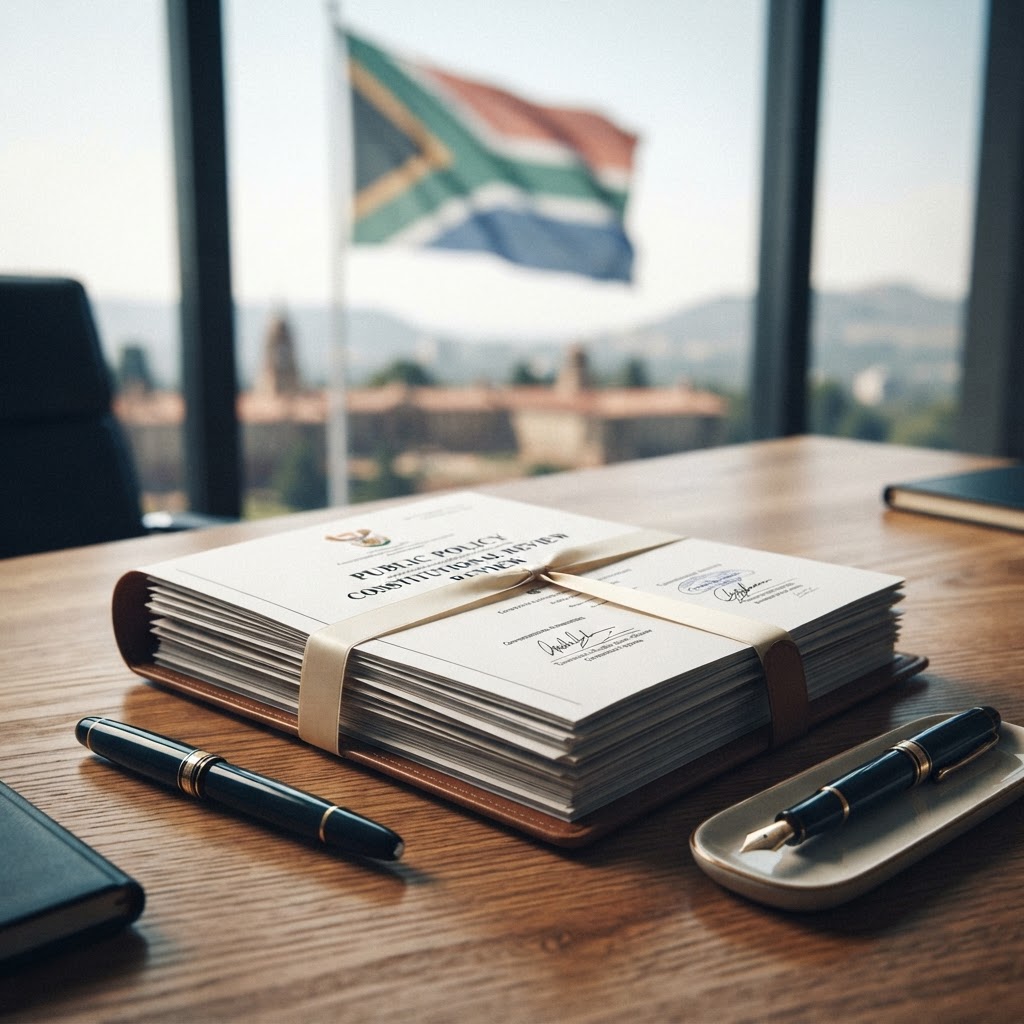
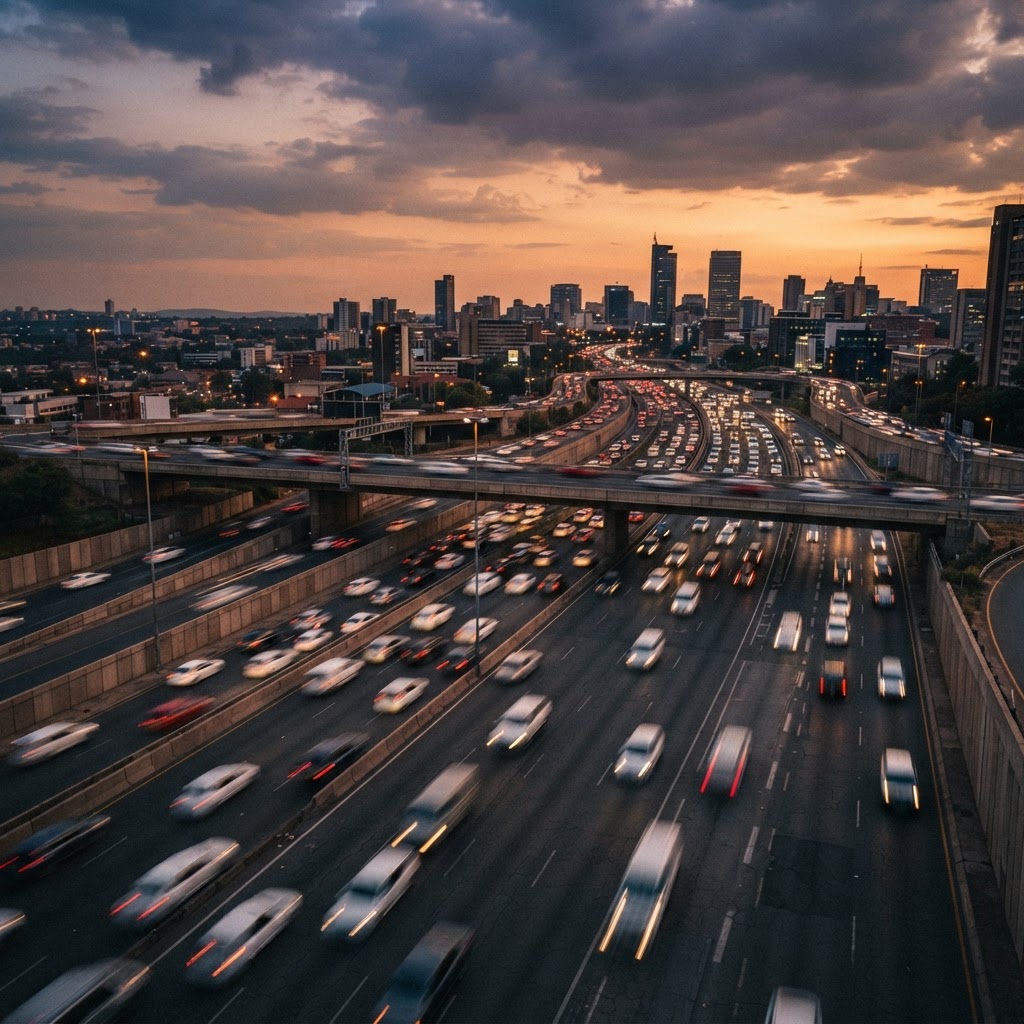
In a high-stakes address at Parliament, Finance Minister Enoch Godongwana delivered the 2026 Medium-Term Budget Policy Statement, framing the government’s fiscal roadmap as a critical intervention against relentless inflationary pressure. The centerpiece of his announcement was a R10 billion relief package specifically designed to blunt the impact of fuel levies on the average consumer. As South African households contend with an unrelenting cost-of-living squeeze, this tactical adjustment aims to provide immediate relief to those navigating the most expensive transport corridors in the country. This fiscal strategy is underpinned by a broader R55 billion structural adjustment, signaling a government desperate to find space for social stability without blowing the national deficit. For the commuter standing at a taxi rank in Soweto or a driver delivering goods in Cape Town, the promise of lower fuel costs represents a rare glimmer of optimism in an otherwise gloomy economic cycle. However, the minister’s announcement arrives at a moment of significant vulnerability for the domestic economy. With the rand facing consistent volatility in global markets, the challenge remains how to subsidize transport costs without undermining the foundational fiscal discipline that credit rating agencies monitor with eagle eyes. The South African National Taxi Council has been vocal in its endorsement, viewing the relief as an essential mechanism to prevent catastrophic fare increases that would only further alienate the working class. Yet, the consensus among industry stakeholders is that this relief is merely a stopgap. While it provides a short-term buffer, the structural inefficiencies within the national logistics framework continue to act as a drag on growth. For years, the transport sector has been crippled by outdated infrastructure and reliance on road haulage, factors that the current budget does not fully address despite the temporary fuel price mitigation. Political discourse surrounding the statement has been predictably polarized. Opposition benches have expressed skepticism, raising valid questions regarding the sustainability of such disbursements. Critics argue that diverting funds during a period of sluggish tax collection could exacerbate the long-term debt burden, effectively passing the bill to future generations. They point to the country’s persistent double-digit unemployment rate and deep-seated inequality as evidence that these stop-start relief measures fail to stimulate the job-creating growth that South Africa desperately requires. Furthermore, the volatility of global oil prices adds a layer of uncertainty that could render the R10 billion cushion inadequate if the geopolitical landscape shifts abruptly. The balancing act remains precarious. On one side, the Treasury must respond to the urgent needs of an impoverished populace demanding basic relief. On the other, it faces the cold reality of a global market that remains wary of South Africa’s slow reform progress. The MTBPS 2026 confirms that the state is shifting away from austerity toward a more reactive form of governance, one where micro-interventions are prioritized over large-scale, yet sluggish, policy overhauls. As the dust settles on the minister’s speech, the core question for the public is not just about the price of petrol today, but the sustainability of the economy tomorrow. If this fiscal gamble fails to alleviate the underlying cost pressures, the government may find itself running out of tools to manage the mounting social frustration that defines the current political climate.
About the Author
Thabo Ndlovu
Staff Reporter
Thabo Ndlovu reports for National Post UK with a focus on rigorous analysis and authoritative journalism — a trusted voice across British public life.
Reader Discussion · 6
Subscribers can join the conversation.
SUBSCRIBE TO COMMENT →We need to look at the broader picture beyond just fuel prices. While this is welcome news, inflation is affecting everything from food to electricity, and a one-off relief package does not solve the structural issues in our economy.
Politically speaking, this is clearly a pre-election budget tactic. It is easy to splash ten billion when the country is already struggling to maintain basic services.
As someone who has to commute long distances every day, these costs are becoming unsustainable. I welcome the intervention, though I hope the government focuses on long-term infrastructure improvements alongside these relief measures.
This is a sensible move from Godongwana given the current fiscal constraints. It balances the need to support the economy without completely abandoning the necessary discipline required to stabilise our finances.
I am concerned about where this money is actually coming from. Adding to our national debt to subsidise fuel seems like a short-term fix that will only lead to further tax hikes down the line.
It is a drop in the ocean when you consider how much the cost of living has skyrocketed lately. Still, I suppose every little bit of relief at the pumps helps households keep their heads above water.