
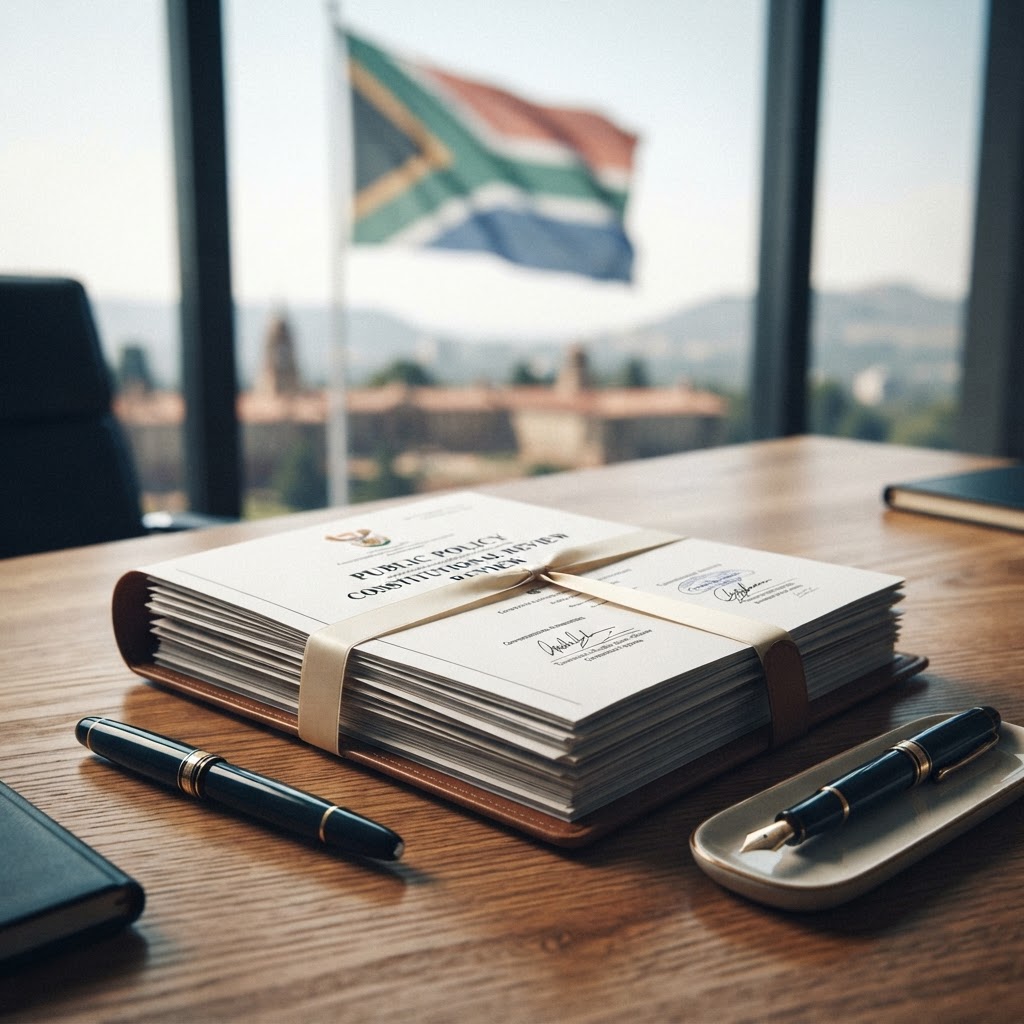
The South African landscape of law enforcement is on the cusp of a major transformation. A high-level presidential advisory panel has officially handed over the draft National Policing Bill to the Ministry of Justice, signaling a pivotal move to dismantle the status quo within the police service. This submission marks the end of a grueling drafting phase and the beginning of a rigorous, state-led scrutiny process. For a nation weary of escalating violent crime and persistent service delivery failures, this document represents more than just legal paperwork—it is an attempt to rewrite the contract between the state and its citizens. At the heart of the proposed legislation lies a fundamental push for heightened transparency and institutional accountability. The draft aims to overhaul current operational standards that critics have long labeled as inadequate or outdated. By introducing stricter oversight mechanisms, the state hopes to curb the rampant corruption and misconduct that have plagued station houses and investigative units for decades. These changes are designed to ensure that those tasked with protecting the public are held to a standard commensurate with their constitutional mandate. The move comes at a time when public trust in the police force is at an all-time low. Across the country, from the bustling streets of Johannesburg to the quiet suburbs of the Western Cape, ordinary South Africans have frequently expressed frustration with a system that appears increasingly detached from their safety needs. High crime rates have left communities feeling vulnerable, often forcing citizens to rely on private security or vigilante interventions. The success of this Bill could be the first step in reversing that trend. Legal experts and civil society watchdogs are already preparing to scrutinize the document. Their interest is not misplaced; the constitutional validity of these reforms will define how police interact with residents for years to come. Key areas of concern likely to surface during the ministerial review include the extent of police powers during arrests, the efficacy of the Independent Police Investigative Directorate, and the balance between executive control and the independence required for effective policing. The Justice Ministry now holds the keys to this transformation. Their role is to ensure that the provisions outlined in the draft are not only actionable but also deeply rooted in the protections afforded by our Constitution. Any deviations from these fundamental rights will likely face stiff opposition from legal advocates and human rights organizations. For the average South African, the outcome of this legislative review remains deeply personal. A safer nation relies on a police force that is both capable and compassionate. While legislative change is a necessary component of reform, it is not a silver bullet. The true test will lie in the implementation of these standards once the Bill reaches the floor of Parliament. As the Ministry of Justice begins its work, the eyes of the nation remain fixed on the proceedings. We are waiting to see if this represents a genuine commitment to reform or merely another layer of bureaucratic window-dressing. The stakes for our national stability, our economic growth, and our basic human right to safety could not be higher. The path toward a functional and respected police service is long and fraught with political challenges, but the submission of this draft is an undeniable start to a long-overdue conversation about who guards our guardians.
About the Author
Fatima Mokoena
Staff Reporter
Fatima Mokoena reports for National Post UK with a focus on rigorous analysis and authoritative journalism — a trusted voice across British public life.
Reader Discussion · 4
Subscribers can join the conversation.
SUBSCRIBE TO COMMENT →This feels like a significant turning point, but the legal hurdles ahead are immense. We should be focusing on community-led policing models if we want to restore public trust, rather than just shifting the chairs on the deck of the Titanic.
My brother served for twenty years and the frustration within the force is palpable. They need autonomy and modern equipment, but I worry that this bill might end up centralising too much power in the Ministry, which could prove disastrous for local accountability.
While I am optimistic about the intent behind this, I have seen so many of these high-level advisory panels come and go without making a dent in the reality on the ground. Legislative changes mean little if there is no genuine political will to address the systemic corruption and resource shortages.
It is about time we saw some proper structural reform rather than just tinkering at the edges. One can only hope this bill actually grants the rank and file the tools they need to tackle the rising crime rates rather than just adding another layer of bureaucratic oversight.