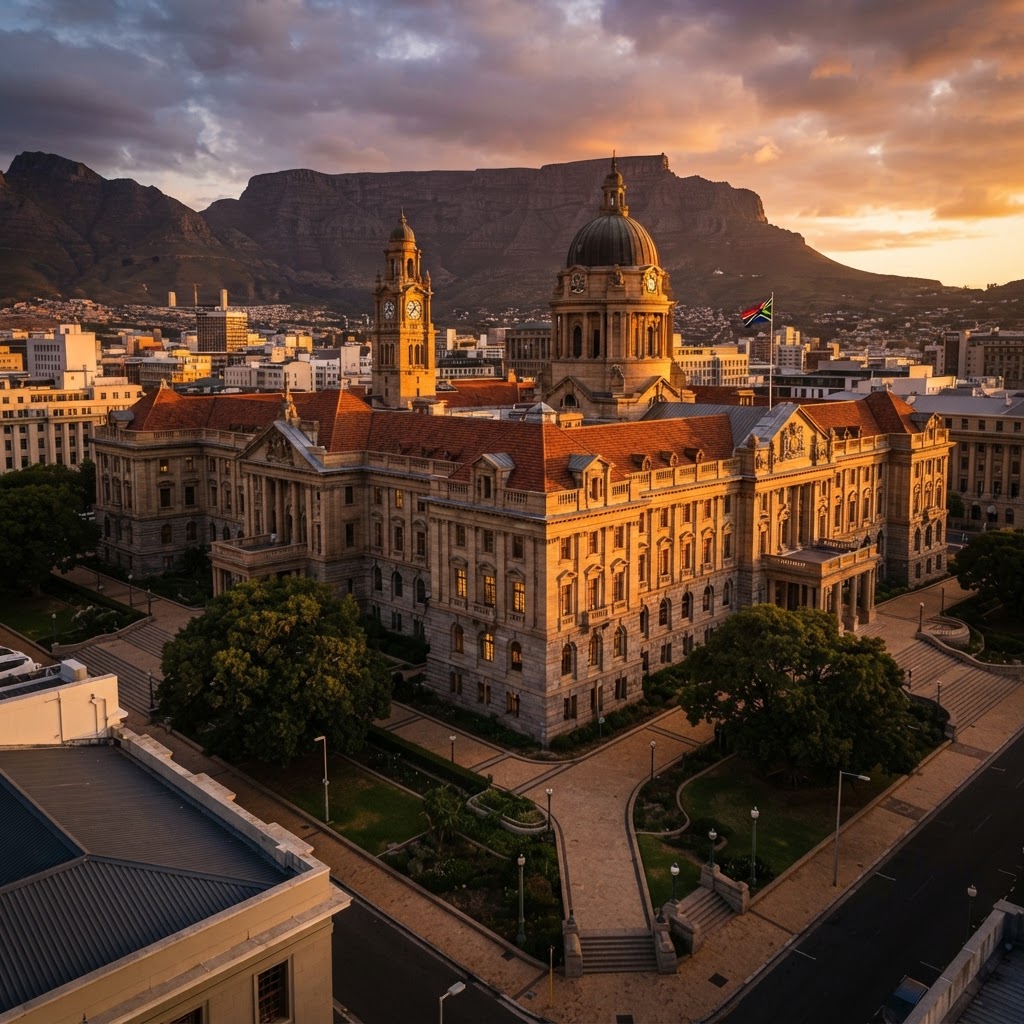
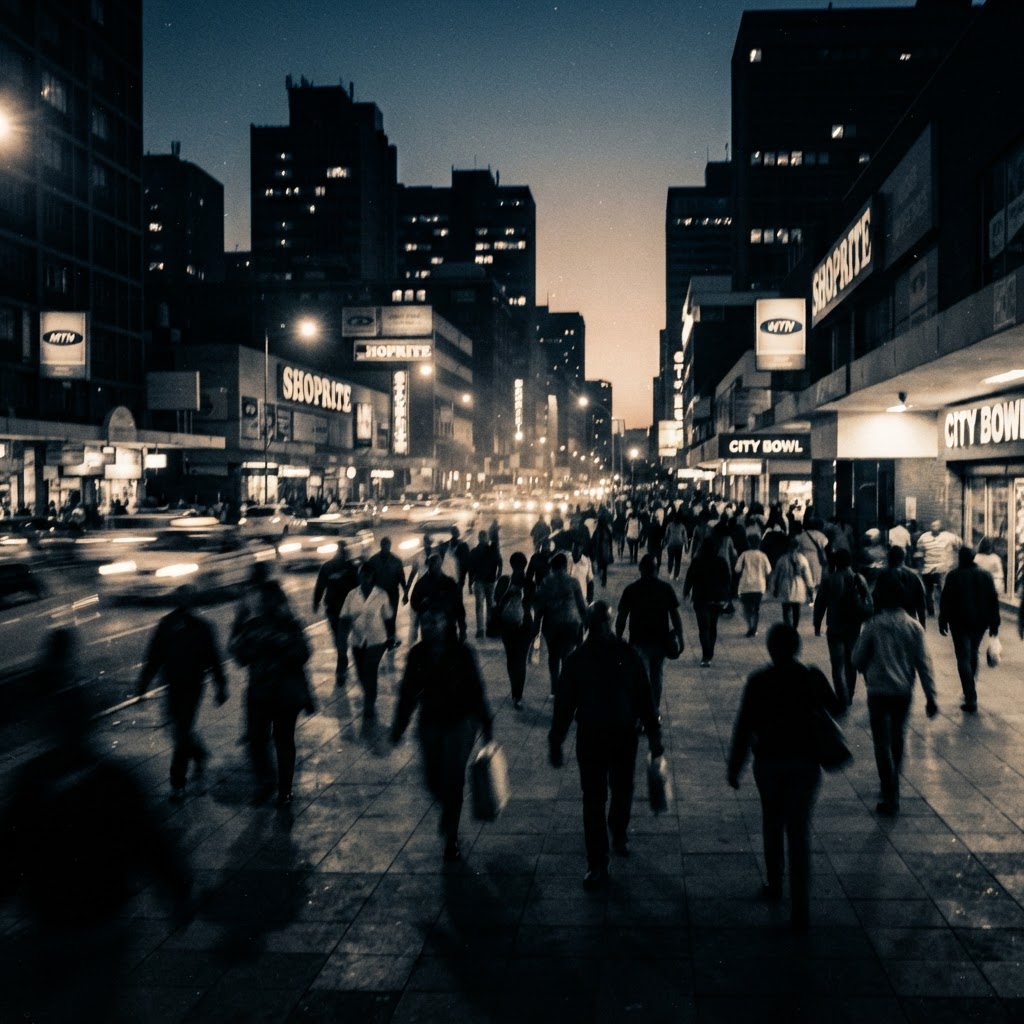
President Cyril Ramaphosa’s latest national address regarding the country's immigration framework has served as a catalyst for a fractured political climate. As the administration attempts to navigate the delicate tightrope between border integrity and human rights, the resulting legislative feedback suggests that the nation remains far from a unified solution. The speech, intended to clarify the state’s position, instead exposed the widening ideological chasm separating South Africa's primary political movements. At the heart of the controversy is a struggle to define what sovereignty looks like in an era of high unemployment and global instability. Supporters of the Democratic Alliance have signaled a cautious approval, noting that the President’s emphasis on broader economic stimulation could theoretically alleviate the competition for low-skilled labour that frequently fuels local resentment. However, this perspective has met with stiff resistance from other quarters of the legislature. The Economic Freedom Fighters have positioned themselves as the chief detractors, asserting that the state is effectively ‘flying by the seat of its pants.’ Their parliamentary representatives described the address as a reactionary maneuver, arguing that the government has long neglected to build a coherent, forward-thinking migration architecture. For the EFF, the President’s words are not a plan, but a desperate scramble to pacify a disillusioned electorate without addressing the systemic inefficiencies that have allowed border porousness to become a national crisis. Meanwhile, figures associated with ActionSA have characterized the address as a collection of tired talking points. They maintain that the executive branch is trapped in a cycle of recycling defunct strategies that have failed to yield results in the past. These critics argue that the lack of concrete, measurable targets makes the government’s rhetoric hollow, leaving the public to deal with the tangible consequences of ineffective policy implementation. The debate is far more than a mere parliamentary spat; it is a reflection of the anxieties felt by millions of ordinary South Africans. With unemployment hovering at staggering levels, the discussion around migration has become inextricably linked to the survival of the working class and the stability of our neighborhoods. The fear of xenophobic flare-ups remains a constant shadow over these discussions, as politicians struggle to articulate a vision for the country that respects the rule of law while avoiding the dangerous rhetoric that pits marginalized groups against one another. As the country looks toward the future, the primary challenge remains the lack of consensus. The ruling party argues that international cooperation and economic growth are the only long-term remedies to migration pressures. Yet, the opposition remains unconvinced, pushing for a more muscular and defensive approach to sovereign borders. This stalemate leaves the South African public in a precarious position, waiting for a roadmap that addresses both the immediate need for security and the long-term necessity of social cohesion. Ultimately, until the political leadership moves beyond the current cycle of recrimination and blame-shifting, the country will likely remain stuck in a state of gridlock. The urgency of this issue cannot be overstated, as the intersection of economic hardship and social tension threatens to erode the very democratic foundations that the nation has worked to uphold since the end of apartheid.
About the Author
Fatima Mokoena
Staff Reporter
Fatima Mokoena reports for National Post UK with a focus on rigorous analysis and authoritative journalism — a trusted voice across British public life.
Reader Discussion · 6
Subscribers can join the conversation.
SUBSCRIBE TO COMMENT →Many of us living in border regions are tired of being ignored. Any policy that prioritises our local communities and ensures proper vetting is a step in the right direction.
I am deeply skeptical that these legislative changes will actually achieve anything meaningful. It feels like the usual political posturing while the actual problems at our borders remain unaddressed.
The President is stuck between a rock and a hard place. Whatever decision is made, half the country will be unhappy, but at least he is finally opening the debate in the House.
I have worked in immigration services for twenty years and this new framework feels like a knee-jerk reaction rather than a long-term solution. We need more resources on the ground, not just soundbites for the evening news.
While I appreciate the need for regulation, we must ensure that human rights are at the forefront of this policy. It is a very delicate balance and I worry the rhetoric in Parliament is becoming far too toxic.
It is about time the government took a firm stance on border security. We cannot sustain current levels of migration without proper infrastructure in place to manage the influx.