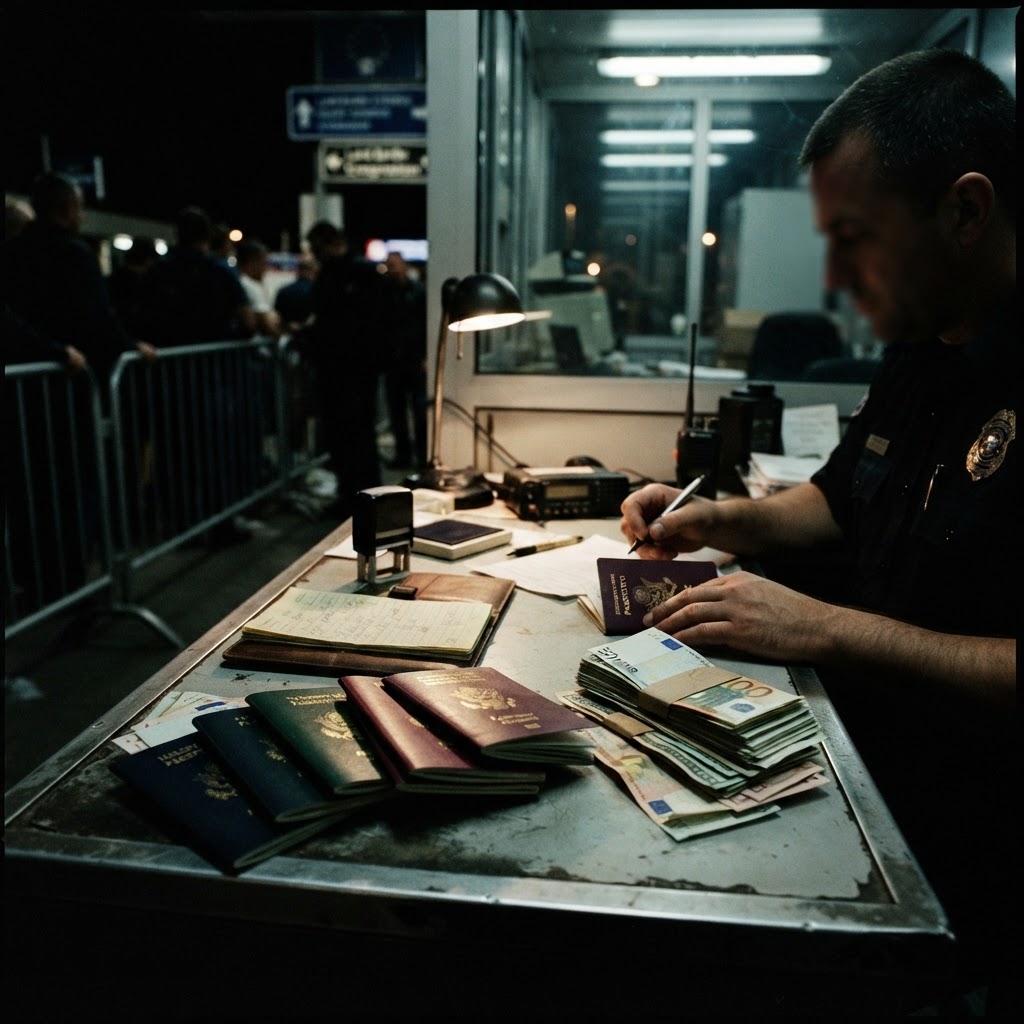
Corruption at South Africa's frontline has faced a sharp rebuke this week after a Border Management Authority (BMA) representative was taken into custody at the Maseru Port of Entry. The arrest follows a tightly coordinated sting operation spearheaded by the BMA’s internal integrity investigators, alongside elements of the South African Police Service and Home Affairs officials. The operation serves as a grim reminder of the persistent rot within the systems intended to safeguard our national boundaries. When officers moved to intercept the suspect, they uncovered a cache of 22 stamped passports and a stash of R2 100 in cash. These items provide a smoking gun for what authorities believe to be a lucrative, clandestine syndicate operating across provincial lines. Preliminary investigations indicate that the fraudulent network moved travel documents from Limpopo all the way to Ladybrand. By illicitly placing official stamps on these booklets, the scheme artificially extended the legal stay of foreign nationals who were not even within the country’s borders. This 'phantom transit' method effectively turns our visa system into a commodity to be bought and sold. For the average South African, this news is more than just a bureaucratic failure; it is a direct blow to the integrity of our sovereign security. Our immigration framework is designed to track who enters and exits to ensure public safety and fiscal accountability. When border officials compromise these protocols for a bribe, they bypass the screening processes meant to keep the nation secure. It is exactly this brand of institutional betrayal that erodes public trust in the BMA and the Department of Home Affairs. Home Affairs Minister Leon Schreiber has made it a focal point of his tenure to digitize and harden our border controls against such exploitation. The discovery of this specific operation underscores why such digital transformation is non-negotiable. Manual stamping processes are inherently prone to human manipulation, creating the very loopholes that criminal syndicates are currently exploiting. The arrest also raises difficult questions regarding the vetting processes for those tasked with guarding our entry points. If internal monitoring units had not intervened, these stamped passports could have facilitated the unchecked entry of individuals who might otherwise be flagged by security databases. This breach is a sobering example of how corruption can undermine the rule of law. It highlights an urgent need for the BMA to ramp up its internal surveillance and ensure that every official on the ground is held to the highest standard of ethical conduct. As the legal proceedings commence, the public will be watching closely to see if this arrest leads to the dismantling of the broader syndicate. Addressing the rot at the border is not merely about procedure; it is about reclaiming the sanctity of our national gates. Until such time as these corridors are effectively insulated from graft, the security of all South Africans remains tethered to the integrity of the individuals stationed at our gates.
About the Author
Thabo Ndlovu
Staff Reporter
Thabo Ndlovu reports for National Post UK with a focus on rigorous analysis and authoritative journalism — a trusted voice across British public life.
Reader Discussion · 4
Subscribers can join the conversation.
SUBSCRIBE TO COMMENT →It is important not to let this single incident tarnish the reputation of all border staff who work under immense pressure. We need to see more investment in technology to reduce the opportunities for this kind of fraud.
I crossed at Maseru just last month and the delays were chaotic. If bribery is being used to bypass these bottlenecks, it explains a great deal about the state of the queues lately.
While this arrest is a positive step, I wonder how deep this rot actually goes. One official being caught is a start, but I worry it is merely the tip of a much larger, systemic iceberg.
Good to see the Border Management Authority finally taking some decisive action. Corruption at our ports has been an open secret for far too long and it undermines the entire integrity of the system.