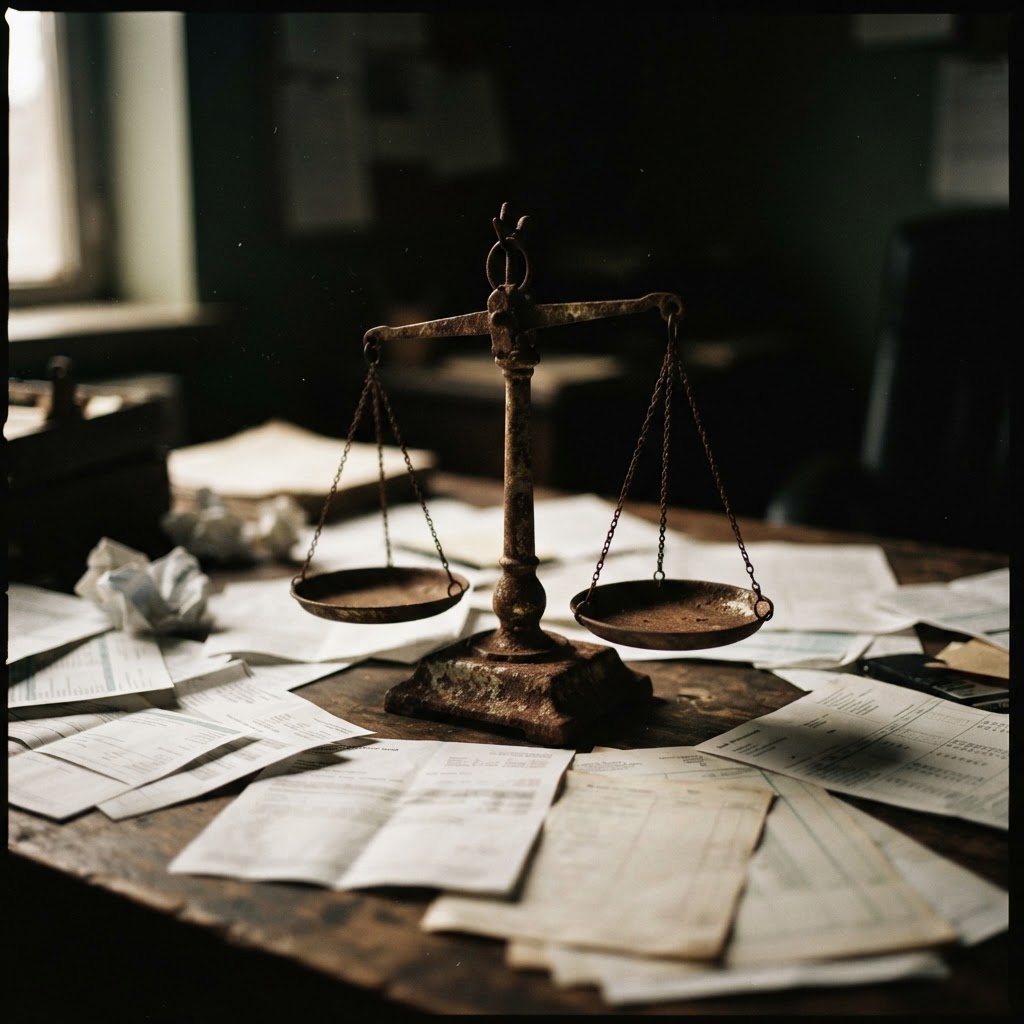
It has been four years since the final volumes of the State Capture report hit the President’s desk, yet the primary recommendation meant to act as a dam against the flood of corruption remains entirely absent. While the Zondo Commission explicitly called for the creation of an independent Public Procurement Anti-Corruption Agency to intervene before taxpayer money disappears, the government has yet to translate that mandate into reality. For the average South African, this delay is not merely a bureaucratic hurdle; it is a signal that the vulnerabilities which hollowed out our state-owned enterprises remain wide open. Former Chief Justice Raymond Zondo has not minced his words regarding this inertia. He recently highlighted that the window of opportunity to install a robust defense mechanism is closing while the old habits of tender-based malfeasance persist. The proposed agency was intended to act as a proactive disruptor, a watchdog capable of auditing massive state contracts in real-time rather than simply filing reports years after the looting has concluded. Instead, the country is stuck in a repetitive loop where reliance is placed on the Hawks and the National Prosecuting Authority to play catch-up with sophisticated syndicates. While these institutions perform vital work, they lack the specific, specialized legislative independence required to act as a wall against the politicized interference that defines so many procurement scandals. The reality of the current situation is stark when viewed against the backdrop of our national finances. The state has reported recoveries of roughly R11 billion, a figure that sounds impressive in a budget speech but is a drop in the ocean compared to the actual scale of the haemorrhaging during the height of state capture. More concerning is the fact that the most significant architects of these schemes have yet to see the inside of a courtroom, let alone face a conviction. For the taxpayer, the absence of an independent procurement watchdog means that every major infrastructure project remains a potential target. We have seen how quickly procurement processes can be manipulated to benefit connected elites, and without an entity whose sole purpose is to monitor these transactions for irregularities, the risk of a repeat performance is dangerously high. The frustration of civil society is palpable. Every day that passes without the formal establishment of this watchdog is a day where the state’s fiscal integrity is left to the mercy of existing bureaucratic structures that have proven themselves insufficient for the task. It is a fundamental breach of the promise to fix the systemic rot that nearly collapsed our democracy. If the government is truly committed to the anti-corruption agenda it frequently touts, it must move beyond rhetoric and provide this agency with the legislative teeth it requires. Otherwise, we are left with the grim prospect that the lessons of the Zondo era will be forgotten long before they are ever applied. Protecting the public purse requires more than just goodwill; it requires a permanent, independent institution that cannot be steered by political winds. Until that happens, South Africa remains uncomfortably vulnerable to the very same patterns of greed that threatened our future only a few years ago.
About the Author
Thabo Ndlovu
Staff Reporter
Thabo Ndlovu reports for National Post UK with a focus on rigorous analysis and authoritative journalism — a trusted voice across British public life.
Reader Discussion · 5
Subscribers can join the conversation.
SUBSCRIBE TO COMMENT →This investigation hits the nail on the head regarding the institutional paralysis we are witnessing. Without a functional dam against corruption, we are simply throwing good money after bad in every major project.
Does anyone actually expect this to change before the next election? It feels like the report was just a box-ticking exercise to appease the public while business continues as usual behind the scenes.
Having worked in the public sector for thirty years, I can tell you that the lack of oversight is precisely why morale is at an all-time low. People want to do the right thing, but they need a robust framework to protect them when they blow the whistle.
While I agree the delay is inexcusable, we must be careful about just creating another layer of bureaucracy. An independent body is only as good as the people running it, and I fear it would just become another target for political interference.
It is absolutely disgraceful that four years on we are still waiting for this watchdog. The government seems content to let the purse strings remain wide open while the rest of us pay the price.