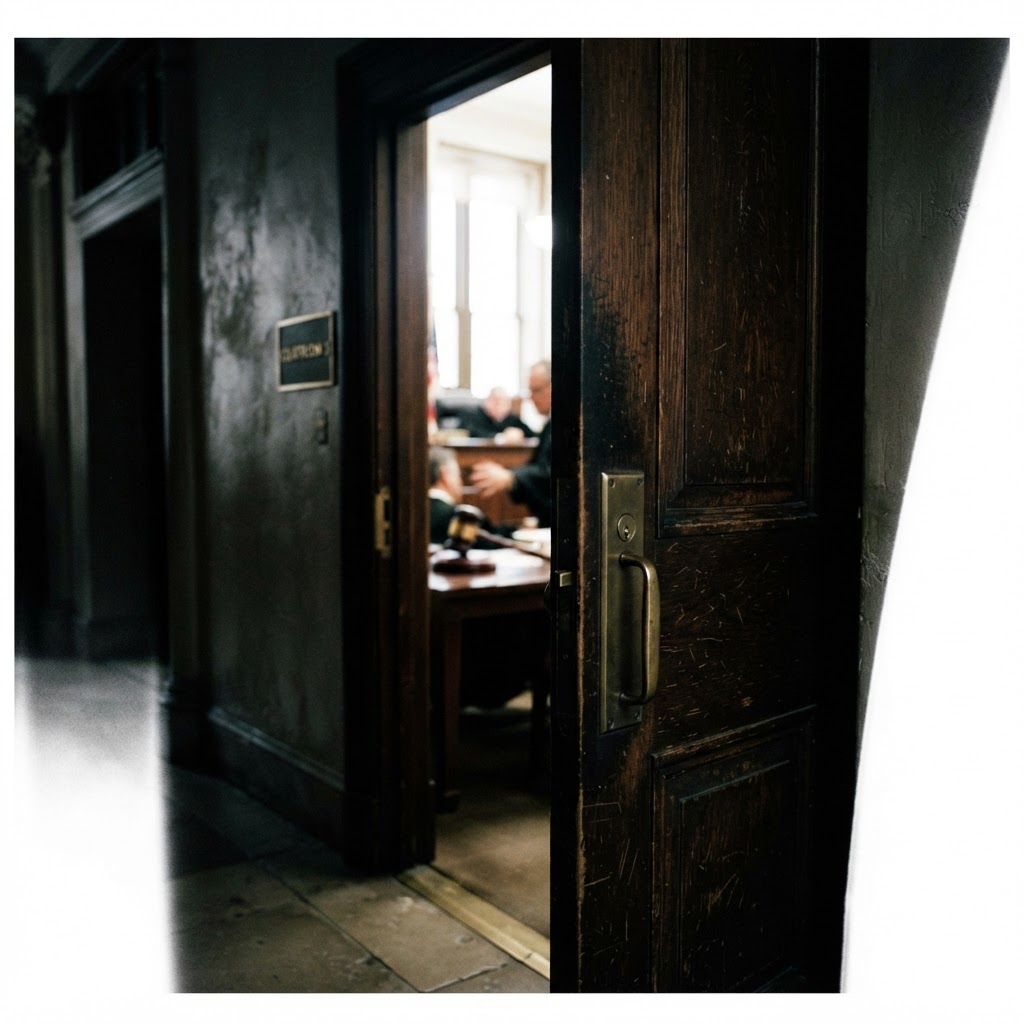

The hierarchy of the South African Police Service faced a turbulent awakening this morning as Shadrack Sibiya, the deputy commissioner who had been sidelined by disciplinary proceedings, formally vacated his office. His exit brings a sudden, if anticipated, conclusion to a tenure defined by controversy and a deepening loss of faith in the nation's primary law enforcement agency. For years, the SAPS has struggled to maintain its reputation, frequently finding itself the subject of judicial inquiries and public indignation. The departure of a senior figure linked to criminal investigations serves as a stark reminder of the rot that some experts claim has permeated the upper echelons of the force. Sibiya’s tenure was overshadowed by a constellation of serious accusations, ranging from financial irregularities and procurement malpractice to grave allegations of sexual misconduct. These legal hurdles had kept him away from active duty for an extended period, creating a leadership vacuum during a time when the country is fighting to contain runaway violent crime. His resignation is being viewed by many observers as an admission of the untenable position he held, given the severity of the charges looming over his head. The broader context of this resignation cannot be ignored. South Africa is currently navigating a fragile period where the mandate of state institutions is being tested by allegations of political capture and internal corruption. The SAPS, as the primary protector of citizens, is supposed to stand above such moral deficits. Instead, the public has witnessed a recurring narrative where those tasked with enforcing the law are frequently implicated in breaking it. This incident underscores a systemic weakness in how the police service recruits and monitors its highest-ranking commanders. Critics argue that until the vetting process for top-tier appointments becomes more transparent and robust, the force will continue to attract leaders who are more focused on self-preservation than public service. The ongoing work of commissions investigating the state’s criminal justice system has frequently highlighted how political interference and lack of accountability have rendered the police ineffective. For the average South African, the resignation of a deputy commissioner is not just an administrative update; it is a signal that the rot is being identified, though it remains to be seen if it is being eradicated. Trust in the police is at a historic low. When those who hold the highest badges of authority are accused of criminal behavior, it erodes the social contract. Citizens are left to wonder whether the institutions designed to protect them are effectively compromised from within. The path forward for the SAPS requires more than just high-profile resignations. It demands a complete overhaul of its internal oversight mechanisms and a commitment to radical transparency. Without such measures, the cycle of scandal is likely to repeat, leaving the country vulnerable and the police force perpetually under a cloud of suspicion. As investigations into these specific allegations proceed, the focus will now shift to who will step into this void. The appointment of a successor will be the ultimate litmus test for the ministry's resolve to restore professionalism to the force. Until then, Sibiya’s exit marks the end of a difficult chapter, but the book on police reform in South Africa remains far from finished.
About the Author
Thabo Ndlovu
Staff Reporter
Thabo Ndlovu reports for National Post UK with a focus on rigorous analysis and authoritative journalism — a trusted voice across British public life.
Reader Discussion · 4
Subscribers can join the conversation.
SUBSCRIBE TO COMMENT →I suppose we should hold off on the celebrations until we know exactly who is stepping into that vacancy. Let us hope the next appointment is based on merit rather than political patronage.
Having spent time working within the sector, I can say that the institutional rot goes much deeper than just one individual. Replacing one deputy commissioner won't solve the systemic issues plagueing their operations.
While I understand the sentiment, I do wonder if forcing out senior leadership is really the fix we need right now. We are just rearranging the deck chairs while the ship continues to take on water.
It is about time someone took accountability for the absolute state of the force. The leadership crisis in the SAPS has been a long time coming, and frankly, this resignation is long overdue.