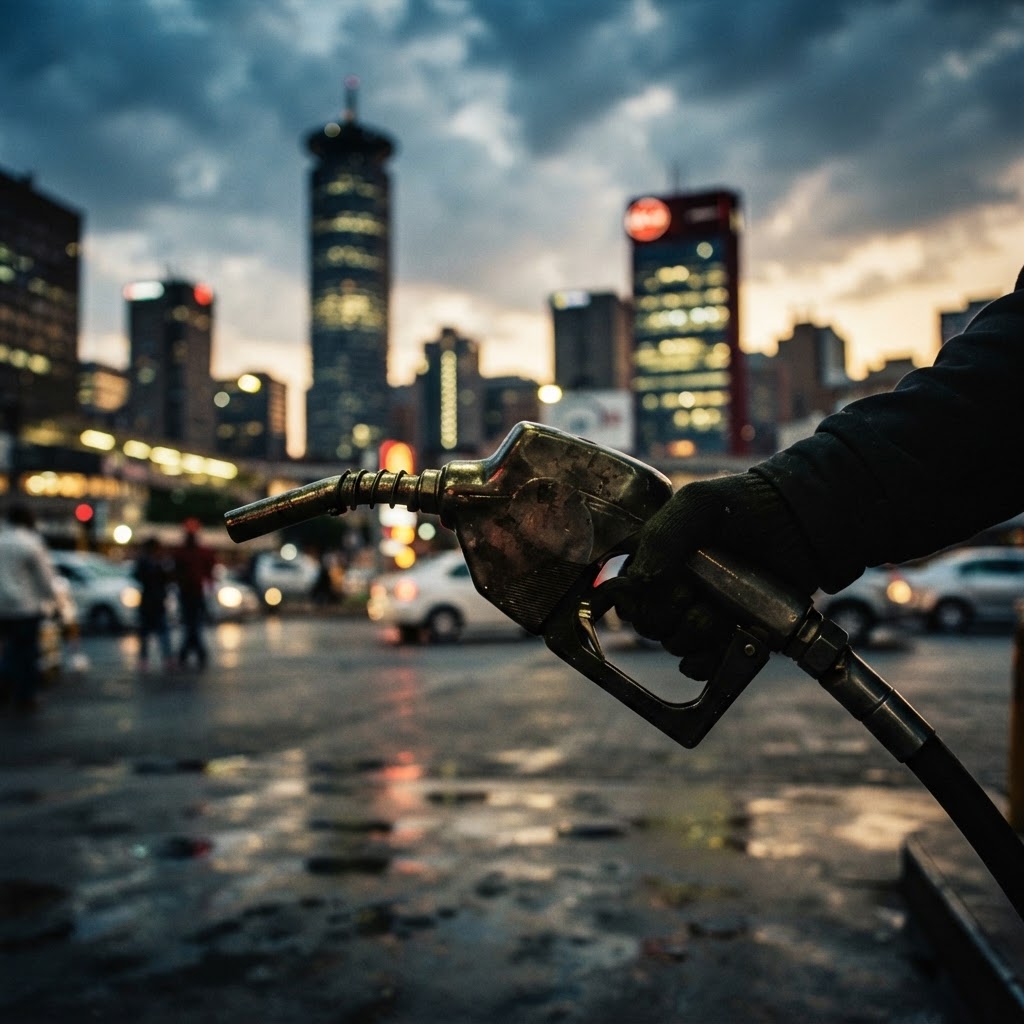
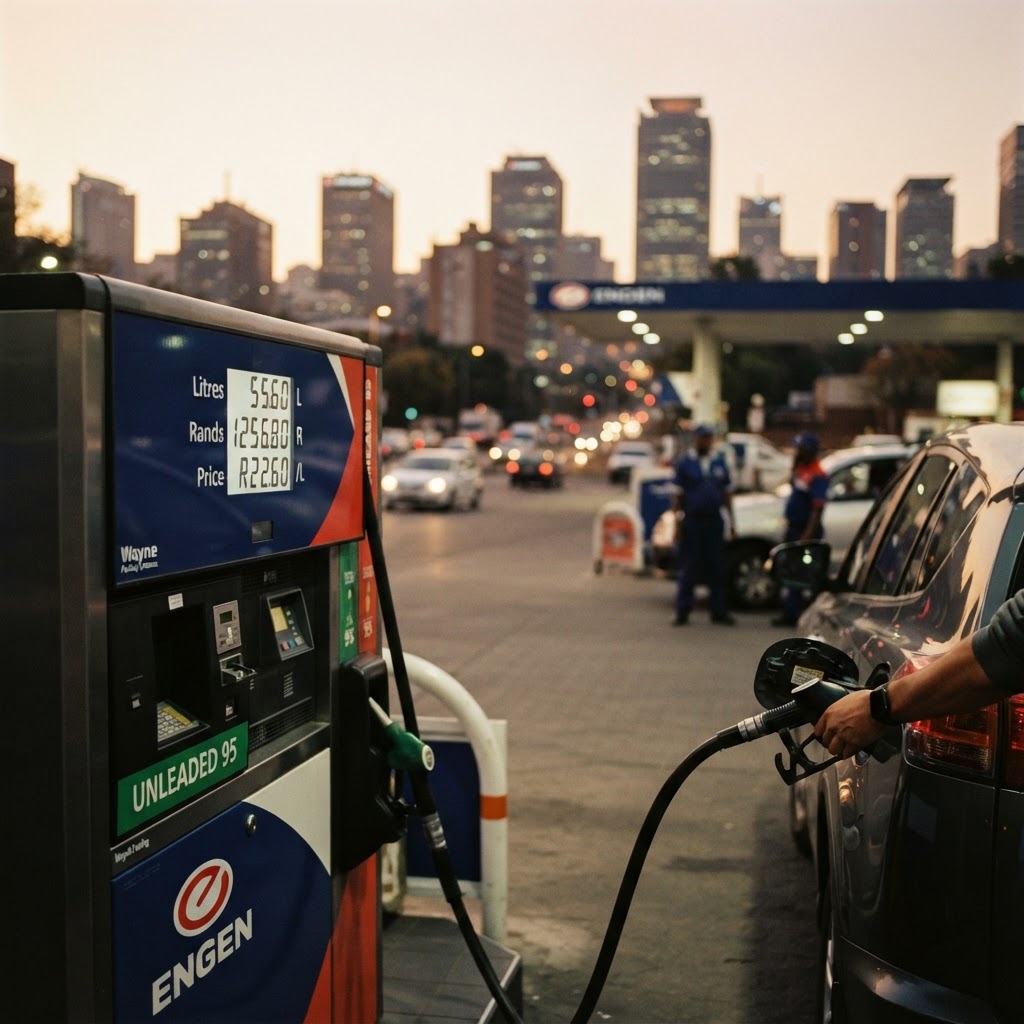
President Cyril Ramaphosa has signaled that the executive branch is actively reviewing mechanisms to temper the escalating cost of living, with a specific focus on the debilitating impact of fuel prices. As global energy markets remain turbulent, domestic consumers find themselves at the mercy of international conflicts that have pushed transportation and logistics expenses to historic highs. With the medium-term budget policy statement on the horizon, the National Treasury is under mounting pressure to provide a reprieve for a populace already stretched to its financial limits. The challenge lies in navigating a narrow corridor between immediate economic relief and the preservation of long-term state fiscal integrity. For many South Africans, the current situation is far more than a mere statistical fluctuation. High interest rates, coupled with the persistent increase in the price of petroleum products, have effectively hollowed out the disposable income of middle and lower-income families alike. Commuters, small business owners, and logistics providers are grappling with a reality where basic economic participation is becoming increasingly expensive. The ripple effect is palpable throughout the economy, contributing to higher costs for food and basic necessities that are transported via road networks. The country’s position as a net importer of refined fuel leaves it uniquely exposed to the whims of geopolitical actors thousands of kilometers away. While South Africa has long relied on global markets for its energy security, the current instability demonstrates the fragility of this dependency. Each spike in the price per barrel at the coast is felt almost instantaneously at the neighborhood filling station. These price hikes are not merely budgetary inconveniences; they represent a significant barrier to the nation’s post-pandemic recovery efforts. During recent briefings, the President emphasized that any intervention would be subject to rigorous scrutiny. The national fiscus remains under extreme strain, burdened by high debt-servicing costs and the ongoing requirement to fund essential public infrastructure and social welfare programs. Ramaphosa’s administration is acutely aware that implementing broad-based subsidies could inadvertently cannibalize the very public services that the most vulnerable segments of society depend upon. Consequently, the government is likely to favor targeted adjustments, such as temporary modifications to the fuel levy, rather than blanket price controls. The political stakes are equally high. As labor unions and civil society organizations demand a more proactive approach to mitigating the cost-of-living crisis, the government must prove it is not a passive spectator to the nation’s economic distress. Failure to act could further dampen consumer confidence and stifle private sector investment at a time when domestic growth is already anaemic. Yet, the Treasury must remain cautious. Any deviation from its current path of fiscal consolidation threatens to draw the ire of international credit rating agencies and further increase the cost of government borrowing. Balancing the immediate needs of the voter with the harsh realities of national accounting is perhaps the defining challenge of this administration. As the country awaits the details of the upcoming budget policy statement, the public will be watching to see if the proposed solutions offer genuine respite or merely temporary relief. For the average South African, the outcome of these internal discussions will determine whether their family budget can survive the months ahead. The path forward requires a delicate touch; one that balances the necessity of relief with the harsh imperative of sustainable, responsible governance in a volatile global era.
About the Author
Thabo Ndlovu
Staff Reporter
Thabo Ndlovu reports for National Post UK with a focus on rigorous analysis and authoritative journalism — a trusted voice across British public life.
Reader Discussion · 4
Subscribers can join the conversation.
SUBSCRIBE TO COMMENT →I have had to cut down on groceries just to afford the petrol needed for school runs. Any relief package would be a welcome relief for families like mine currently pushed to the brink.
This is a global issue driven by energy market volatility, so I am not sure how much a local fiscal intervention can actually achieve in the long term. We need to be looking at sustainable alternatives to petrol rather than just short-term subsidies.
While I appreciate the sentiment, I remain skeptical about where the funding for this fiscal lifeline will come from. We are already dealing with high taxes and public services that are struggling to stay afloat.
It is about time the government stepped in. My weekly commute has become unaffordable and something needs to change before the economy grinds to a complete halt.