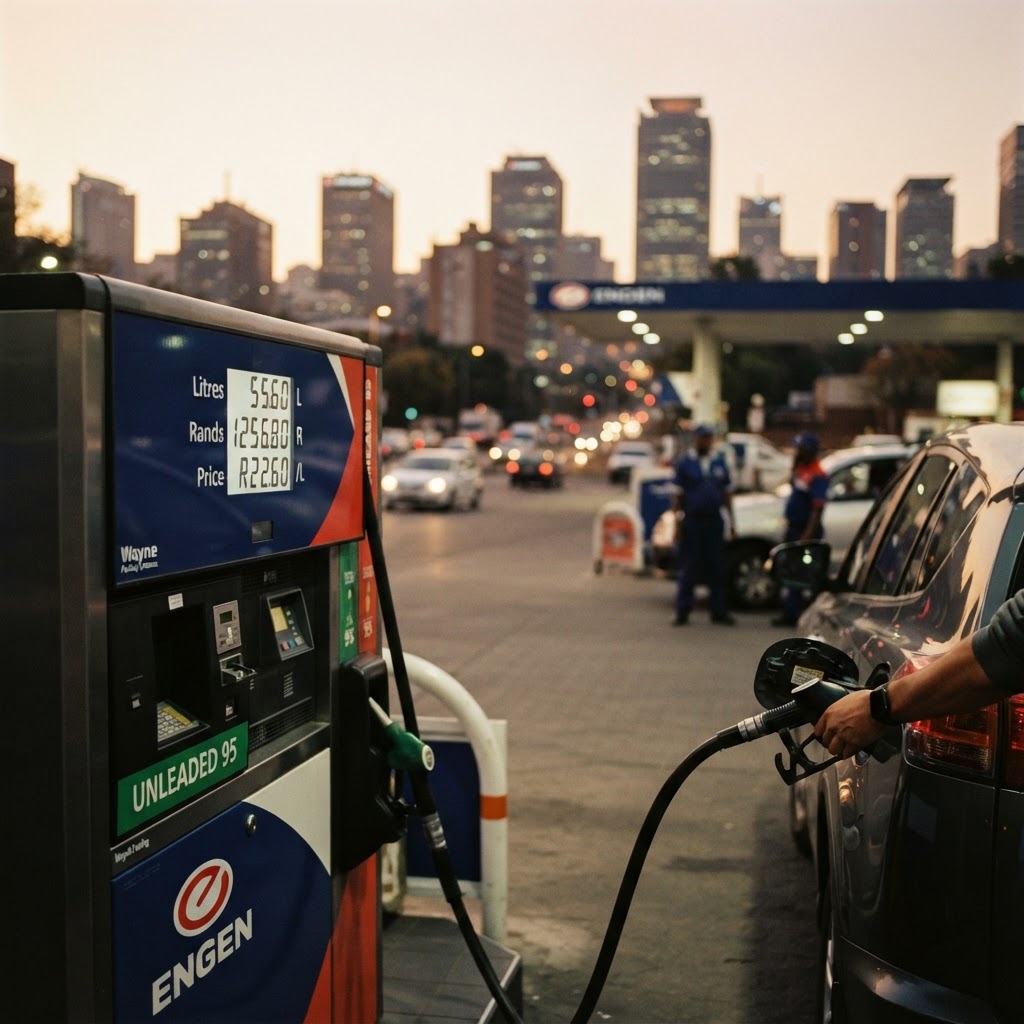

South African consumers are bracing for tighter budgets after the Reserve Bank moved to lift the repo rate by a quarter of a percentage point. The decision, which pushes the repo rate to 7.25% and the prime lending rate to 10.75%, signals a defensive stance by the central bank against a backdrop of stubborn global inflation. Reserve Bank Governor Lesetja Kganyago confirmed that the committee reached a unanimous agreement, pointing toward escalating geopolitical tensions in the Middle East as a primary catalyst for the bank's hawkish shift. These external pressures have caused significant volatility in crude oil markets, creating a secondary ripple effect that threatens to push local transport and production costs into dangerous territory. For the SARB, the primary directive remains the anchoring of inflation expectations, even at the cost of immediate economic expansion. The move is a calculated attempt to prevent global energy shocks from taking root within the local supply chain. The institution remains wary that if left unchecked, these price pressures could spiral, making long-term recovery increasingly difficult to manage. The economic outlook provided alongside the rate announcement offers little comfort for a nation already grappling with stagnant growth. The central bank has trimmed its GDP expectations for 2026, lowering the forecast from 1.4% to a modest 1.2%. This revision reflects a broader anxiety regarding the structural constraints currently limiting the country’s industrial performance. Infrastructure bottlenecks, energy supply volatility, and now, tighter monetary conditions are coalescing to create a formidable headwind for local commerce. For the average South African household, the implications of this policy shift are both immediate and painful. Debt servicing costs on mortgages, vehicle finance, and personal loans are set to rise in the coming billing cycle. Disposable income, already stretched thin by rising food and fuel costs, faces further erosion as households redirect funds toward interest repayments. Small and medium enterprises, which often operate on thin margins, may find themselves pausing expansion plans as the cost of credit becomes increasingly prohibitive. This cooling effect on domestic demand is precisely what the Reserve Bank expects, but it poses a challenge for the retail and service sectors that rely on consumer buoyancy to sustain employment levels. Analysts remain divided on how long this high-interest environment will persist. With the economy failing to break out of its low-growth trap, the task for the SARB is akin to performing surgery with a blunt instrument. They must ensure price stability without suffocating the fragile green shoots of private sector investment. As households navigate this fiscal adjustment, the focus now turns to whether future oil price stabilization might grant the committee the flexibility to pause further hikes. For now, however, the message from the central bank is one of caution: the road ahead remains narrow, and the cost of servicing debt will remain a permanent fixture of the national financial landscape for the foreseeable future.
About the Author
Sipho Dlamini
Staff Reporter
Sipho Dlamini reports for National Post UK with a focus on rigorous analysis and authoritative journalism — a trusted voice across British public life.
Reader Discussion · 4
Subscribers can join the conversation.
SUBSCRIBE TO COMMENT →We have had to cancel our family holiday this year just to ensure we can keep up with the rising prime rate. It is incredibly frustrating when the messaging from the top says the economy is resilient, yet the reality on the ground feels like a constant battle to stay afloat.
I am curious to see if this actually makes a dent in the cost of living or if we will be back here for another hike in a few months. The current approach feels a bit like using a blunt instrument to solve a very complex problem.
While the impact on households is undoubtedly harsh, I suppose there is little choice if they want to get a proper handle on inflation. It is a bitter pill to swallow, but letting prices spiral out of control would be far worse in the long run.
It is all well and good the Bank trying to cool things down, but they seem to be forgetting that most of us are already stretched to the limit. My mortgage payment is going up again and it feels like we are being punished for simply existing in this economy.