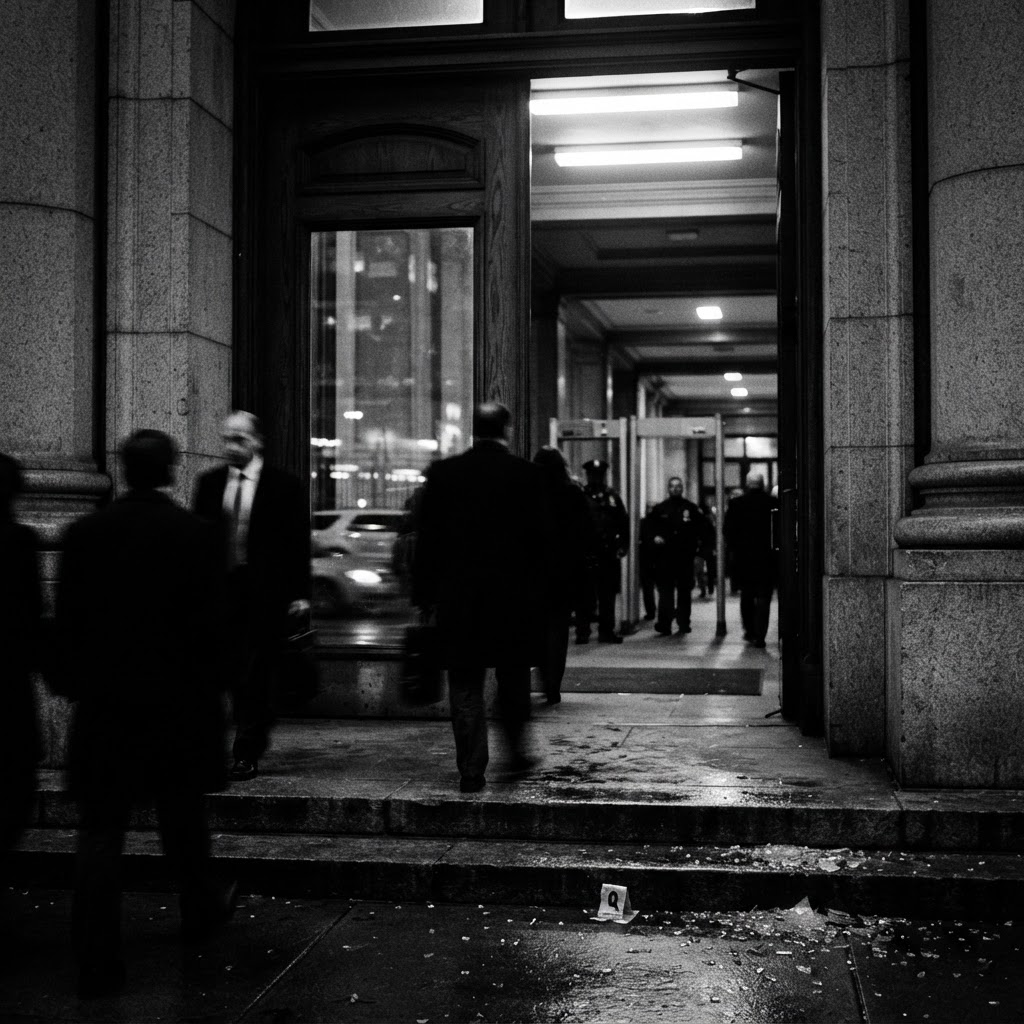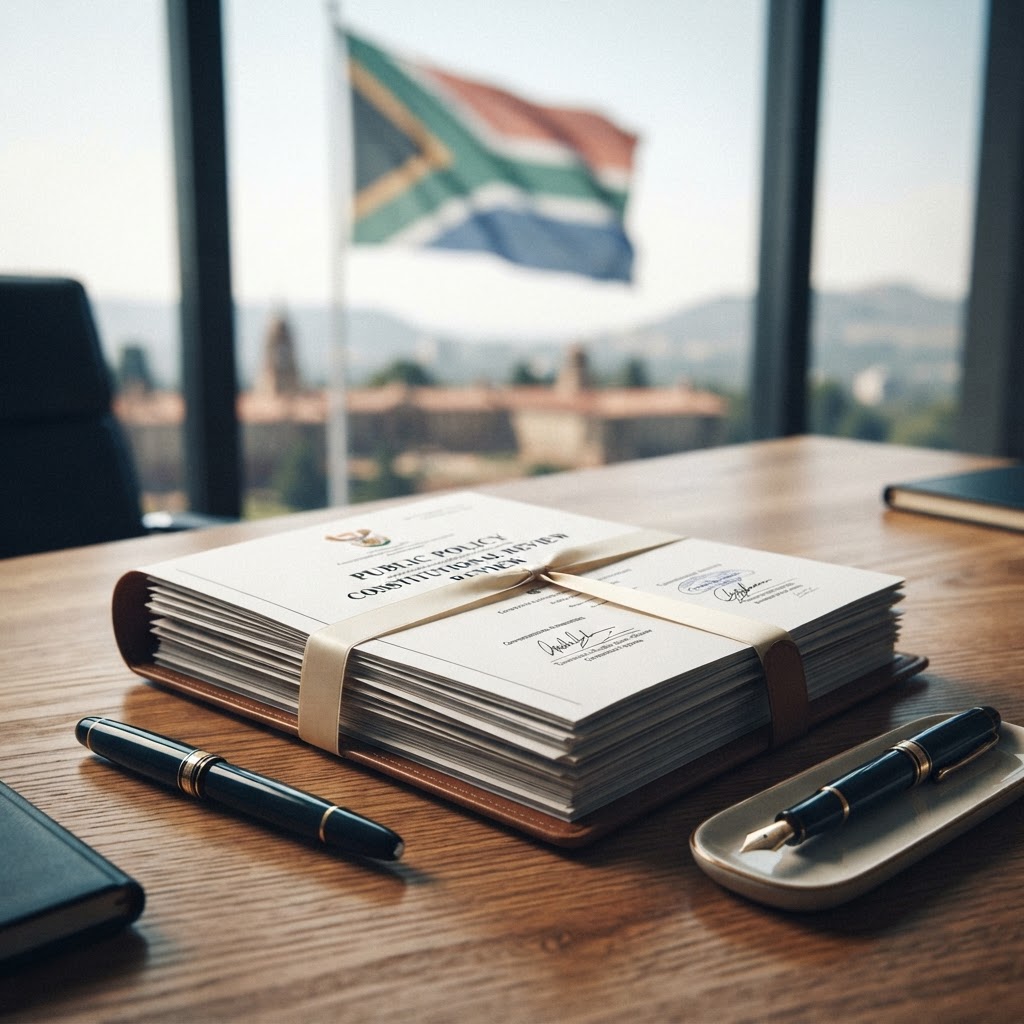
The Union Buildings confirmed today that General Fannie Masemola is back in charge of the South African Police Service. His return marks the conclusion of a period of leadership limbo that had left the force operating under a cloud of uncertainty. With all criminal allegations against him now permanently struck from the court roll, the President has formally rescinded the precautionary leave that had sidelined the top cop. For the rank-and-file officers on the ground, this transition is hoped to signal the end of a disruptive chapter that hindered high-level decision-making. The timing of this reinstatement is critical as the country faces a persistent surge in violent crime and a citizenry increasingly disillusioned by the efficacy of state security apparatuses. Acting Police Minister Firoz Cachalia was quick to praise the development, noting that the command structure of the SAPS requires absolute focus as the organization navigates deep-seated internal reforms. Without a permanent hand on the tiller, strategic initiatives—ranging from gang-violence interventions in the Western Cape to infrastructure protection in Gauteng—have often struggled to find momentum. The legal clarity now afforded to General Masemola allows for a return to standard operating procedure, but the path ahead remains treacherous. South Africans have grown accustomed to seeing police leadership shifts as symptomatic of broader political battles, rather than purely administrative necessity. By bringing the Commissioner back into the fold, the administration is effectively making a bet on continuity. The challenge now lies in ensuring that the leadership can pivot from defending its reputation to attacking the systemic issues of crime that plague the nation. Public trust in the police remains at a historic low, and a change in leadership alone will not bridge that gap. The average South African is less concerned with the bureaucratic status of senior commanders and more focused on the daily threat to their personal safety. To regain public confidence, the SAPS must demonstrate tangible results, whether through improved crime intelligence, better community policing relations, or a sharper reduction in violent property crimes. The police force is currently caught in the middle of a complex social and political transition. As the government attempts to balance budgetary constraints with the urgent need for more boots on the ground, General Masemola will have to prove that his office is not just occupied, but active. The pressure to professionalize the service has never been greater, and the mandate for the incoming leadership is clear: the optics of stability are merely the beginning. Real success will be measured by the security felt in the homes and businesses of every citizen across the nine provinces. The state has cleared the board for the Commissioner to resume his duties, but the real test begins now. If the police force is to reclaim its status as a reliable guardian of the law, the period of internal preoccupation must be relegated to the past. South Africa simply cannot afford to have its national security infrastructure paralyzed by doubt. Whether Masemola can transform this administrative return into a functional resurgence for the SAPS remains the most pressing question for the months ahead.
About the Author
Fatima Mokoena
Staff Reporter
Fatima Mokoena reports for National Post UK with a focus on rigorous analysis and authoritative journalism — a trusted voice across British public life.
Reader Discussion · 5
Subscribers can join the conversation.
SUBSCRIBE TO COMMENT →The real test will be whether he can actually improve police morale, which has been at an all-time low recently. Reinstatement is one thing, but effective leadership is quite another.
Having spoken to several former officers, there is a genuine sense of relief that the uncertainty is over. Let us hope General Masemola can now focus entirely on the rising crime rates affecting our communities.
While I welcome the end of the leadership crisis, the public needs full transparency regarding the dropping of those allegations. Confidence in our institutions is brittle enough as it is.
I remain unconvinced that simply bringing back the old guard will solve the deep-seated issues within the service. We need structural reform, not just a return to the status quo.
It is about time we had some stability at the top. The police force has been rudderless for far too long and this should allow the officers on the ground to get on with their jobs.