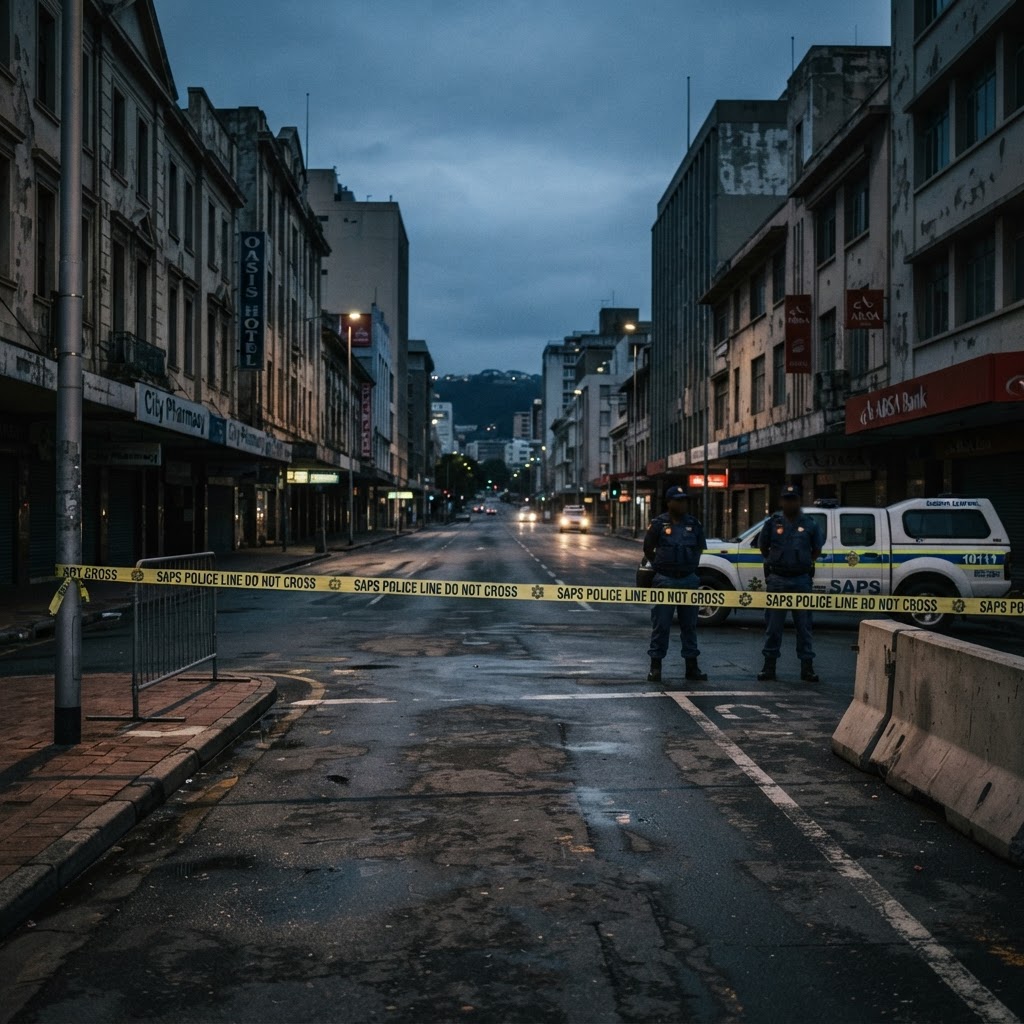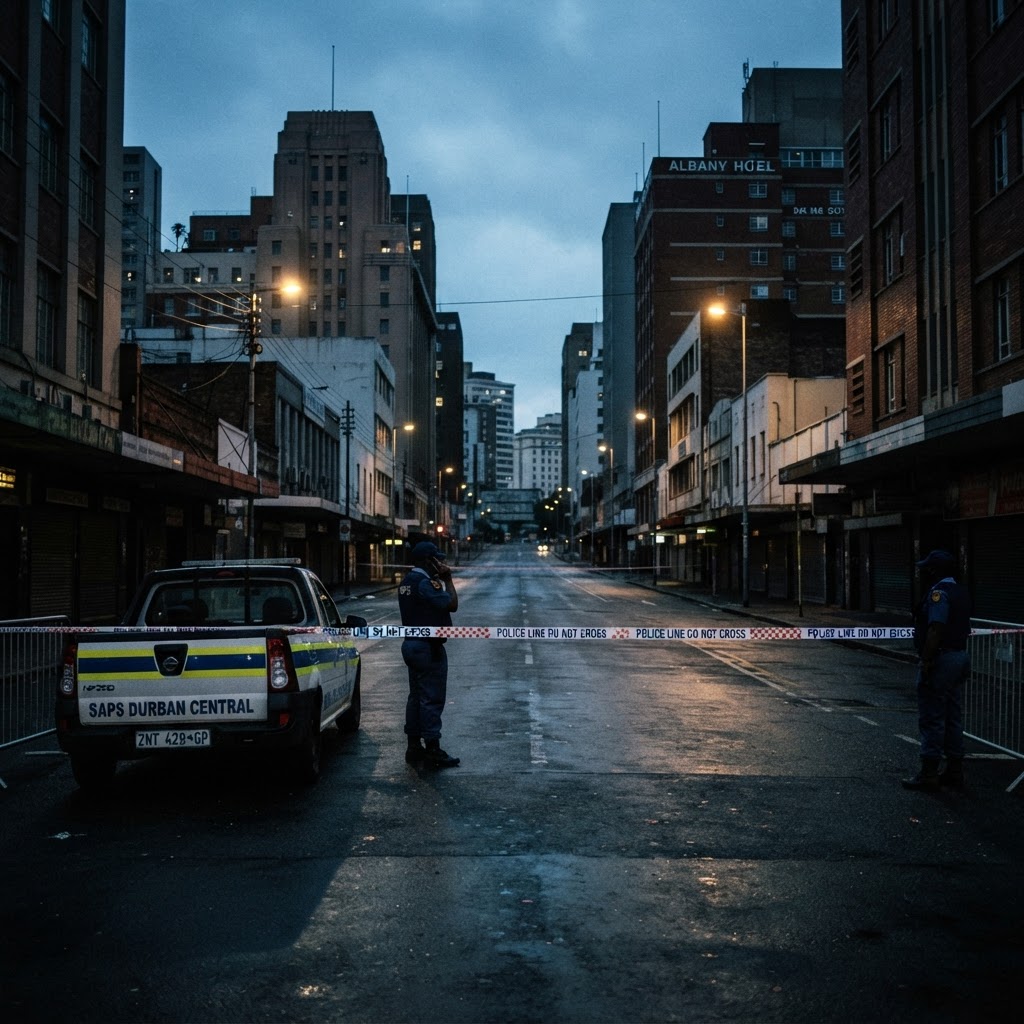
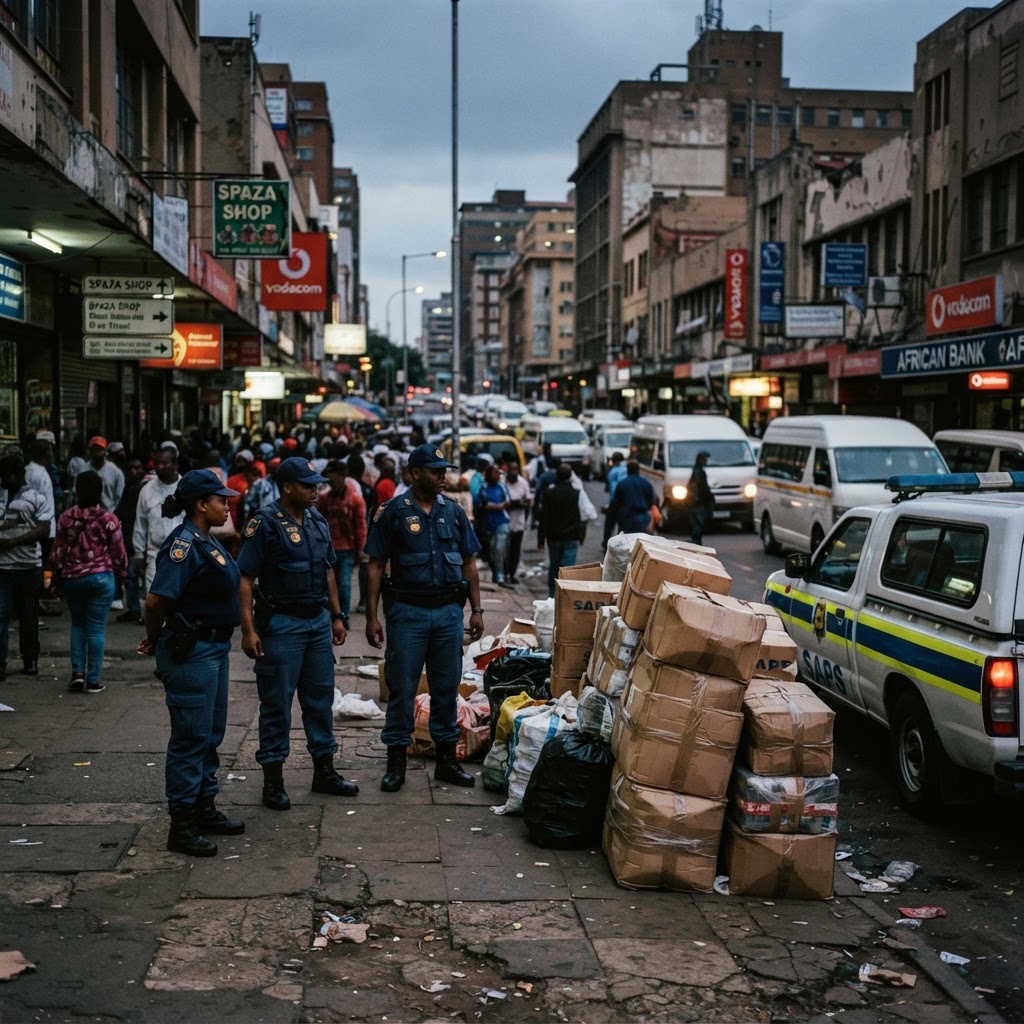
Johannesburg's urban core was the stage for a dramatic law enforcement push this week, as multi-agency teams descended upon the Central Business District to dismantle sophisticated counterfeit operations. The operation, which yielded a staggering haul of knock-off products estimated at R160 million, serves as a stark reminder of the illicit economy’s grip on the city's commercial arteries. From designer-label sneakers to high-end timepieces and health-hazardous cosmetics, the seized items represent a significant victory in the state's ongoing attempt to reclaim order. The magnitude of this raid suggests that the illegal retail landscape in Johannesburg is far more entrenched than previously acknowledged, functioning as a parallel market that operates entirely outside the boundaries of taxation and labor regulations. Law enforcement sources confirmed that the operation spanned several buildings notorious for housing informal warehouses, where goods are stockpiled before being distributed to street vendors. Beyond the obvious impact on global brands, this illegal trade poses a direct threat to the South African economy. By undercutting legitimate retailers who pay import duties and local taxes, these syndicates are effectively siphoning billions of rand away from the national fiscus, funds that are desperately needed for public infrastructure and social services. The link between these counterfeit operations and larger organized crime syndicates is an aspect that authorities are viewing with increasing concern. Experts warn that the illicit trade in fake goods is rarely an isolated activity; it is frequently intertwined with money laundering, human trafficking, and the funding of violent groups that terrorize inner-city residents. By targeting the supply chain in the CBD, the police are signaling a shift in strategy, moving beyond mere street-level busts to strike at the financiers behind the curtain. For the average South African consumer, the presence of these goods may seem like a bargain, but the cost to society is immense. The influx of substandard and potentially dangerous products—particularly in the cosmetics and electronics sectors—poses a genuine public health risk. Furthermore, the erosion of the formal retail sector threatens job stability. When law-abiding businesses are forced to compete with retailers who deal in stolen or fake stock, they are often pushed to the brink of closure, leading to job losses in a country already grappling with a severe unemployment crisis. The government’s move to intensify enforcement is not just about brand protection; it is about protecting the sanctity of the market. As the dust settles on this operation, the challenge for law enforcement will be to maintain momentum. One-off raids, while successful, are often temporary setbacks for syndicates that view such losses as a mere cost of doing business. Long-term sustainability will require a unified approach involving border security, municipal oversight, and stronger collaboration with private sector anti-counterfeit task teams. Restoring integrity to the Johannesburg retail environment is a prerequisite for urban regeneration. If the city centre is to become a safe and thriving hub for business once more, it must shed its reputation as a haven for black-market trade. This week's operation is a necessary first step, but it marks only the beginning of a much larger struggle to stabilize our economy against those who profit from deceit.
About the Author
Fatima Mokoena
Staff Reporter
Fatima Mokoena reports for National Post UK with a focus on rigorous analysis and authoritative journalism — a trusted voice across British public life.
Reader Discussion · 5
Subscribers can join the conversation.
SUBSCRIBE TO COMMENT →Hopefully this crackdown leads to a revitalisation of the area. It is impossible for legitimate businesses to compete when they are undercut by such massive illegal operations right on their doorstep.
R160 million is a significant haul, but is it a drop in the ocean compared to what is still being smuggled in? We need more sustainable policing and a tighter grip on the ports of entry if we want to see any lasting change.
I used to work in the CBD and the volume of counterfeit goods on the pavements was quite staggering even years ago. It is good to see the police finally clearing the streets, but one wonders where all the seized stock actually ends up.
While this is a step in the right direction, I wonder how long it will take for these traders to set up shop again. Simply seizing goods rarely addresses the root cause of why this illicit trade is allowed to flourish in the first place.
It is about time the authorities took some real action against these counterfeit rings. The sheer scale of that R160 million figure really highlights how organised these criminal operations have become in the city centre.