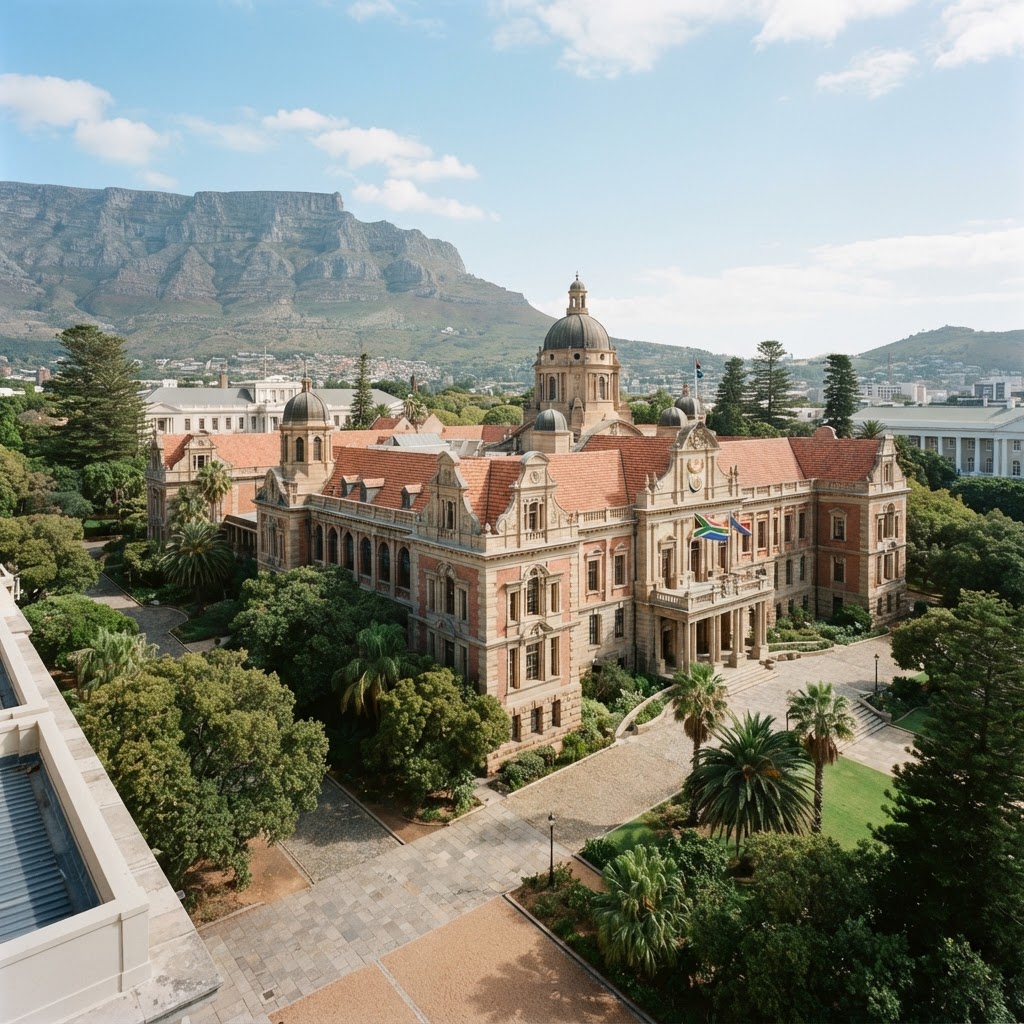
Finance Minister Enoch Godongwana takes to the podium in Parliament today to deliver a mid-term budget policy statement that carries the weight of a nation’s economic future. After months of uncertainty following the formation of the Government of National Unity, this address serves as the administration’s most significant opportunity to prove that fiscal prudence remains the cornerstone of its policy agenda. Expectations are cautiously optimistic, with many observers pointing to a stronger-than-anticipated revenue stream that has provided the Treasury with much-needed breathing room. This financial buffer arrives at a crucial juncture, offering a glimmer of hope for a fiscus that has long been strained by rising debt-servicing costs and sluggish growth. Yet, the challenge remains profound: the International Monetary Fund has projected a tepid growth rate of just 1% for South Africa this year. This stagnant reality underscores the difficult tightrope Godongwana must walk, balancing the imperative to curtail excessive government spending with the political pressure to maintain vital social support systems for millions of vulnerable households. Market sentiment, often a harsh judge of Pretoria’s financial management, is currently fixated on this afternoon’s announcements. Major global financial institutions, including Goldman Sachs, have signalled that the government’s commitment to debt consolidation is being monitored with intense scrutiny. Such attention is not merely academic; it is tied directly to the prospect of a sovereign credit rating upgrade from agencies like S&P Global later this year. Achieving an improved rating could significantly lower the cost of borrowing for the state, freeing up capital that is currently being swallowed by interest payments. For the average South African, these technical fiscal metrics translate into real-world outcomes. Whether it involves the funding of state-owned entities or the ongoing investment in critical logistics and energy infrastructure, the decisions outlined today will determine the trajectory of the country's recovery. The public is looking for clarity on how the government intends to address the persistent infrastructure bottlenecks that have hamstrung local businesses and discouraged private sector investment. Furthermore, the effectiveness of the national budget is essentially the blueprint for South Africa’s broader economic resilience. As the country grapples with a high unemployment rate and a volatile global market, the Treasury’s ability to project stability will dictate the confidence of both domestic and international investors. The Government of National Unity is essentially attempting to harmonize different political mandates, but the reality of the balance sheet remains uncompromising. If Godongwana manages to demonstrate a clear, actionable path toward narrowing the budget deficit, it will solidify the administration's credibility. Conversely, any hint of fiscal slippage could lead to market turbulence. As the nation watches the parliamentary proceedings, the focus remains on whether the Minister can deliver a strategy that reconciles the urgent need for social stability with the rigid requirements of long-term economic sustainability. Ultimately, this budget is about more than just numbers on a spreadsheet; it is a test of whether the current government can steer the economy away from the precipice of debt distress and toward a more prosperous, stable future for all South Africans.
About the Author
Thabo Ndlovu
Staff Reporter
Thabo Ndlovu reports for National Post UK with a focus on rigorous analysis and authoritative journalism — a trusted voice across British public life.
Reader Discussion · 5
Subscribers can join the conversation.
SUBSCRIBE TO COMMENT →You have to admire the delicate balancing act required here. Keeping the coalition partners happy while simultaneously trying to stimulate growth is no easy feat for any Finance Minister.
Running a household in this economy is becoming an impossible feat. I hope the Minister understands that for many of us, this budget is not just about abstract figures but about basic survival.
The markets are clearly looking for stability after months of political wrangling. Whether this statement is enough to appease the credit rating agencies remains the real question for our long-term economic outlook.
I will believe it when I see it. We have heard promises of fiscal relief for years now, yet the cost of living continues to spiral and my local services are practically non-existent.
It is about time we see some real fiscal discipline from the Treasury. The Government of National Unity has a massive task ahead, and I truly hope Godongwana finally prioritises debt reduction over endless bailouts for state-owned enterprises.