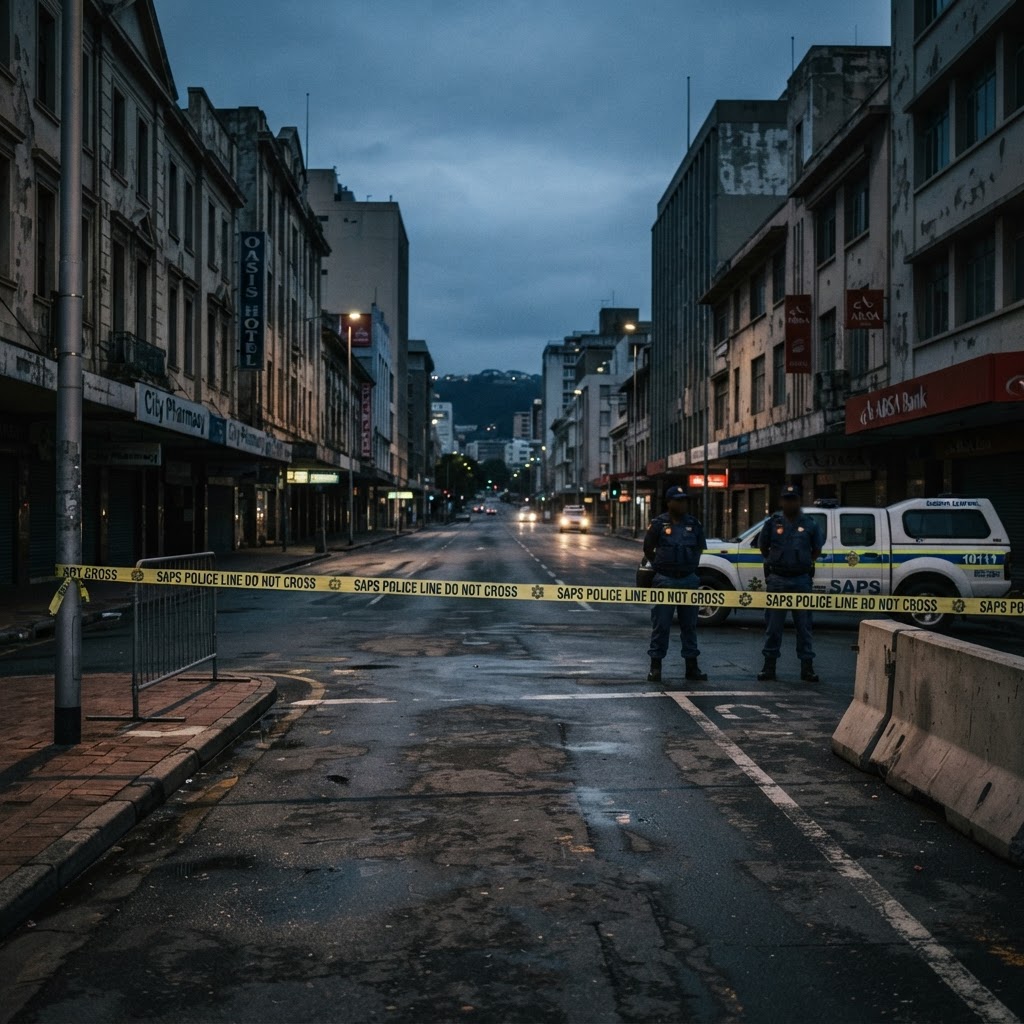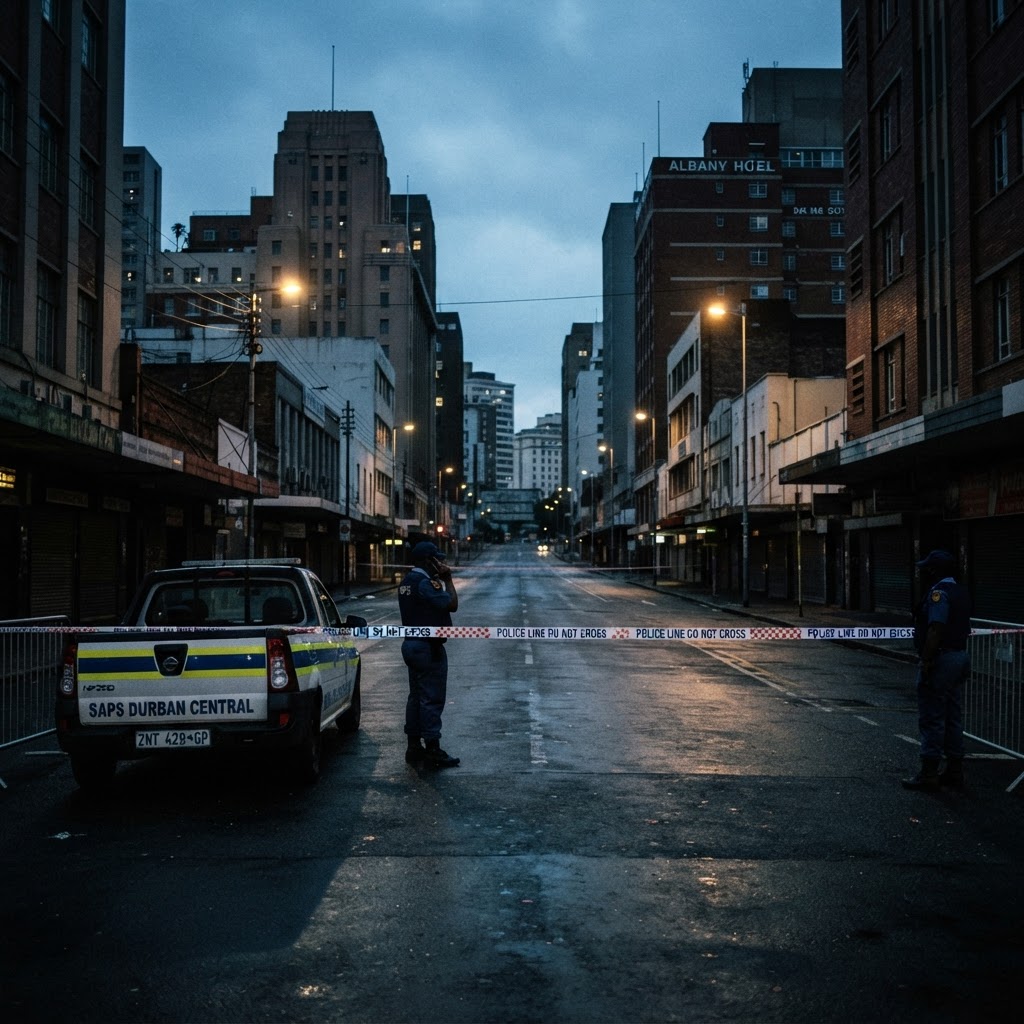
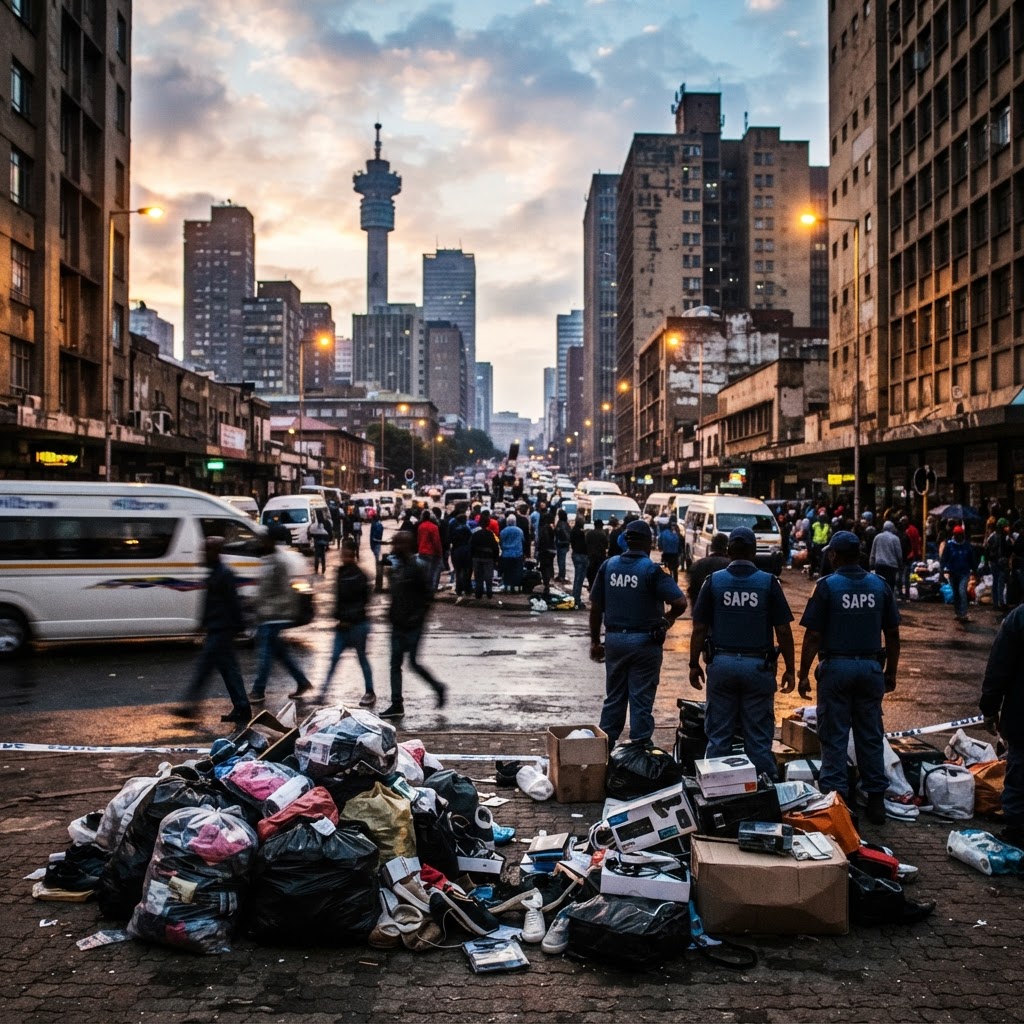
The inner-city streets of Johannesburg were transformed into a hive of police activity this week as tactical units executed a landmark enforcement mission. In a calculated sweep through the central business district, security clusters confiscated non-genuine retail merchandise worth an estimated R160 million. The scale of the haul underscores the deepening crisis of unregulated commercial activity currently suffocating the city's commercial pulse. For residents and business owners alike, the sight of heavy-duty vehicles packed with boxes of fake goods served as a visceral reminder of the scale of the shadow economy. The operation, conducted on October 17, 2026, aimed to purge the city of goods that evade excise duties and flood the market with inferior alternatives. By targeting these primary nodes of distribution, officials hope to disrupt the supply chains that have turned parts of the CBD into hubs for illegal commerce. South Africa’s economic landscape has long suffered under the weight of this illicit trade, which siphons billions away from the national fiscus annually. When businesses are forced to compete with vendors selling counterfeit items at a fraction of the cost, legitimate retail outlets struggle to remain profitable. This imbalance leads to shuttered shops and diminished employment opportunities, fueling a cycle of urban decline that is particularly acute in Johannesburg. Beyond the fiscal impact, there is a pervasive concern regarding the quality and safety of these products. Consumers who purchase these items are often unaware that they are funding criminal networks that operate outside the purview of our labor and environmental laws. Local manufacturers have frequently petitioned the government for more aggressive interventions, arguing that the status quo renders domestic industrial growth impossible. The recent crackdown suggests a shift in political will, moving away from passive monitoring toward active disruption of these markets. However, the true test for law enforcement will be the sustainability of these efforts. Historical data shows that in the absence of continuous patrols and strict zoning enforcement, illegal operations tend to resurface within weeks of a major raid. Maintaining a presence in these dense urban corridors remains a logistical challenge for the South African Police Service and metropolitan enforcement agencies. The public sentiment remains cautious yet hopeful. For the street-level vendors working within the legal framework, the removal of counterfeiters provides a necessary clearing of the playing field. Yet, the challenge lies in balancing the enforcement of trade laws with the socioeconomic realities of those who rely on informal trading for survival. As the dust settles in the city center, the broader question remains whether this operation acts as a mere performance or the start of a systemic overhaul. The government’s ability to turn this singular victory into a consistent policy of economic protection will determine if the Johannesburg CBD can once again become a legitimate engine for growth rather than a storefront for organized crime.
About the Author
Thabo Ndlovu
Staff Reporter
Thabo Ndlovu reports for National Post UK with a focus on rigorous analysis and authoritative journalism — a trusted voice across British public life.
Reader Discussion · 6
Subscribers can join the conversation.
SUBSCRIBE TO COMMENT →It is a complex issue. My cousin runs a shop in the area and has been pushed to the brink by these unregulated stalls, so I am glad to see some enforcement finally taking place.
The real question is what happens next. If they do not follow the money trail to the wholesalers and importers behind these operations, the street stalls will just be restocked by next week.
A fantastic result for the tactical units involved. Hopefully, this sends a clear message that the rule of law still applies in the city centre.
I lived in Johannesburg for years and visited the CBD often. The problem is far deeper than just seizing stock; you have to address the desperate socio-economic conditions that drive people to participate in this illicit trade in the first place.
While I appreciate the effort, I wonder how much of this was actually worth R160 million. Official valuations often seem inflated to make the police operation look more impressive than it truly is.
It is about time the authorities took serious action against this trade. These counterfeit goods undermine legitimate businesses and bleed the local economy dry.