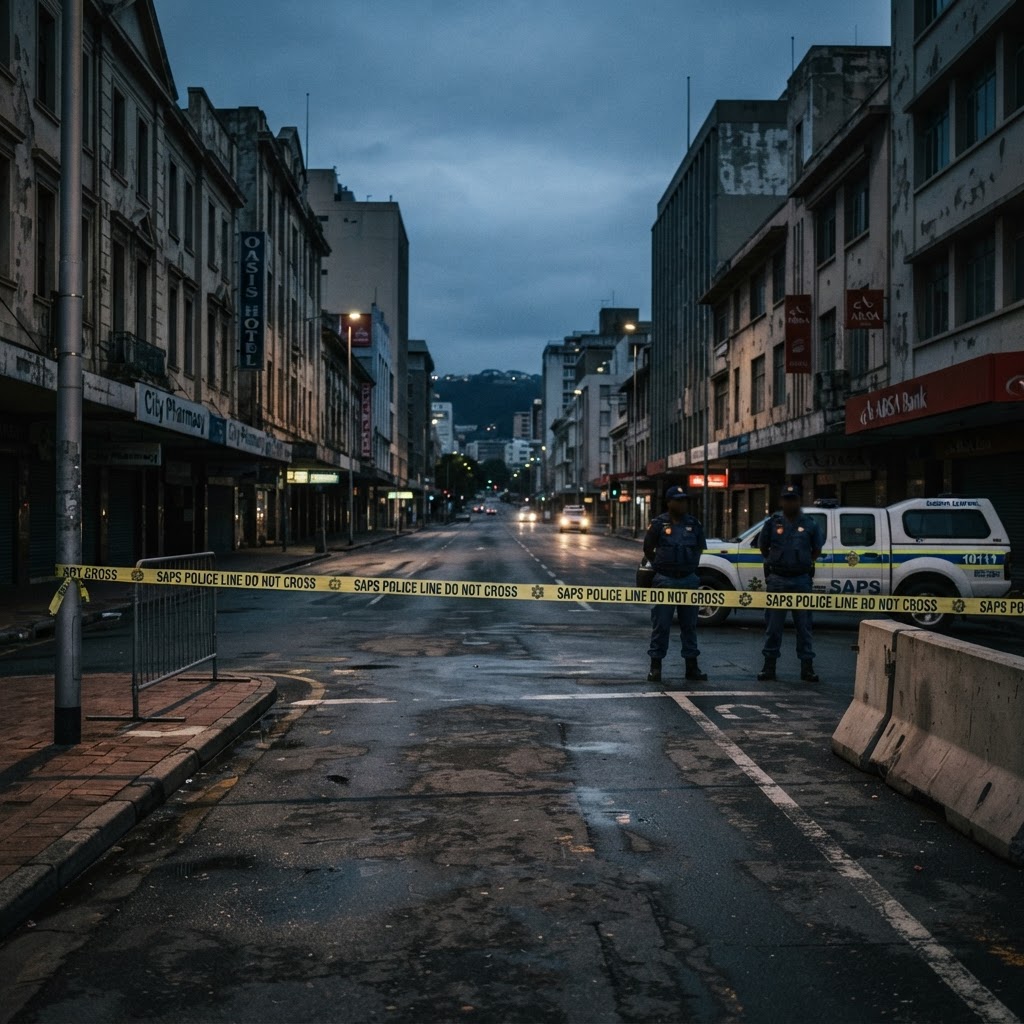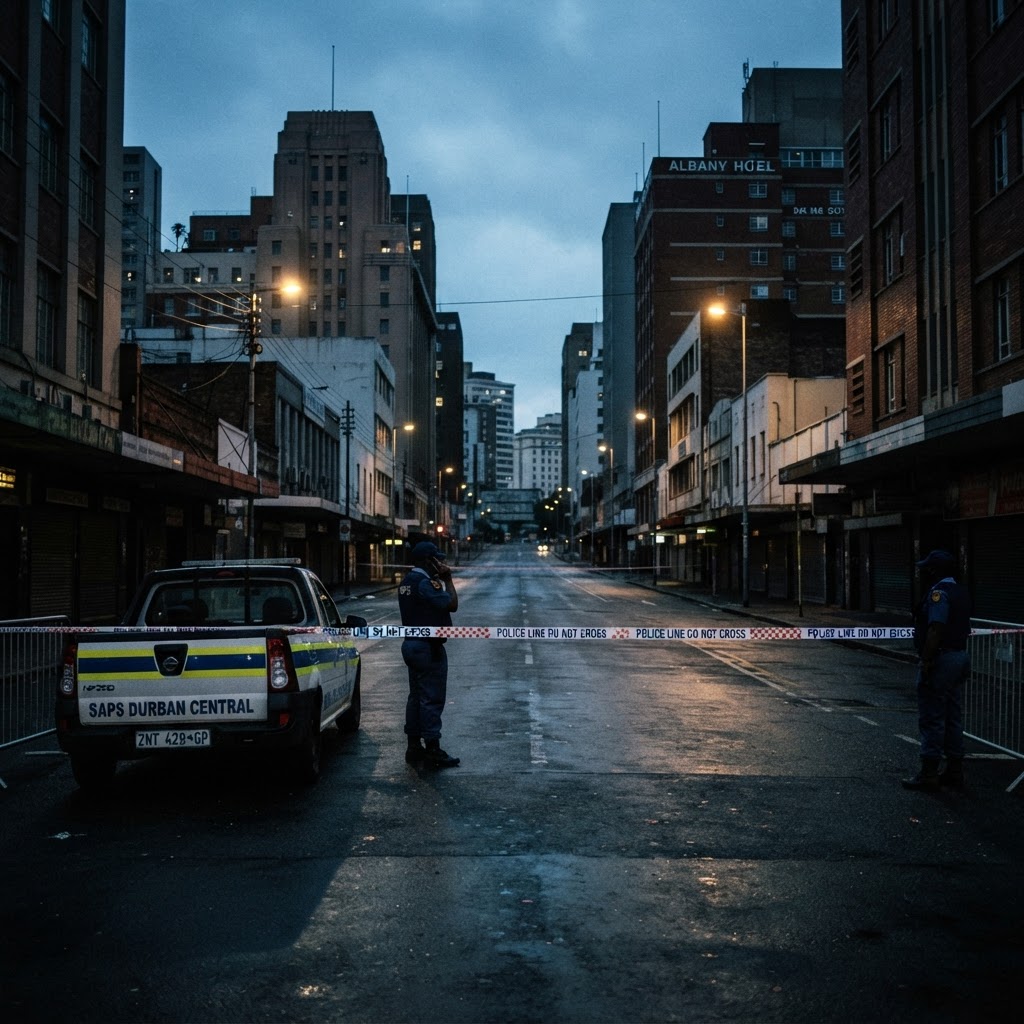

The South African security apparatus stands at a monumental crossroads this week. A high-level presidential advisory panel has formally transmitted a groundbreaking draft of the National Policing Bill to the Department of Justice, signaling an end to the long-standing status quo of centralized law enforcement. If enacted, this legislation would dismantle the monolithic policing structure that has defined the country since 1994, ushering in a dual-model system characterized by a Federal Police Service acting alongside independent provincial State Police Services. This proposal marks the most significant administrative shift in our national security framework in three decades. Proponents of the change argue that the current single-point-of-failure model is ill-equipped to handle the complex, localized challenges of modern criminality. By empowering provinces to manage their own distinct security forces, the bill aims to foster greater operational agility and responsiveness. For the average citizen, this could mean the return of localized accountability, where law enforcement is not merely a distant entity directed from Pretoria but a service rooted in the specific realities of their province. The transition to a federal-state model acknowledges that a 'one-size-fits-all' strategy has failed to stem the tide of violent crime. Across the nation, public sentiment has soured regarding the effectiveness of police oversight and resource allocation. Critics of the current system often highlight how over-stretched national units struggle to maintain presence in high-risk zones, while municipal and rural areas complain of bureaucratic bottlenecks. The proposed bill attempts to bridge this gap by defining clear jurisdictions. While the federal entity would likely remain responsible for cross-border threats, intelligence, and major organized crime syndicates, the state services would assume primary responsibility for frontline crime prevention and local investigation. This shift brings with it complex questions regarding funding and constitutional alignment. The financial burden of standing up effective provincial forces will require a total reconfiguration of the national budget, likely leading to a robust debate in Parliament regarding fiscal federalism. Critics will undoubtedly point to the risk of uneven service delivery across wealthy and impoverished provinces, fearing that the quality of protection could become a postcode lottery. Supporters, however, insist that decentralization is the only way to modernize the police force and restore institutional trust. Accountability remains the most pressing concern for the public. A fragmented system offers the promise of closer oversight by provincial legislatures, but it also creates the potential for inconsistent standards in training and discipline. As the draft moves through the Justice Ministry and toward legislative scrutiny, the discourse will necessarily intensify. Labour unions, civil society, and legal experts are already bracing for a lengthy consultative process. For a nation weary of soaring crime rates, this document represents more than just legal theory; it is a direct challenge to the existing order. Whether this move will truly secure our streets or merely add another layer of bureaucratic complexity remains the central question. What is certain is that the landscape of South African policing is about to change, with profound implications for the safety of every citizen.
About the Author
Fatima Mokoena
Staff Reporter
Fatima Mokoena reports for National Post UK with a focus on rigorous analysis and authoritative journalism — a trusted voice across British public life.
Reader Discussion · 4
Subscribers can join the conversation.
SUBSCRIBE TO COMMENT →Having lived through several shifts in policy, I am taking a wait-and-see approach. It sounds good on paper, but turning this into a reality on the streets is an entirely different matter.
Looking at how other federal systems operate, this could be a major turning point. However, the success of this bill will ultimately depend on whether provincial police forces have the actual resources to replace the current national capabilities.
I am worried about how the funding will be managed if everything shifts to the states. Without strict oversight, I fear we will just end up with more fragmented bureaucracy rather than improved safety.
This decentralisation is long overdue. A one-size-fits-all approach from Pretoria has clearly failed to address the specific criminal challenges we face in our local provinces.