
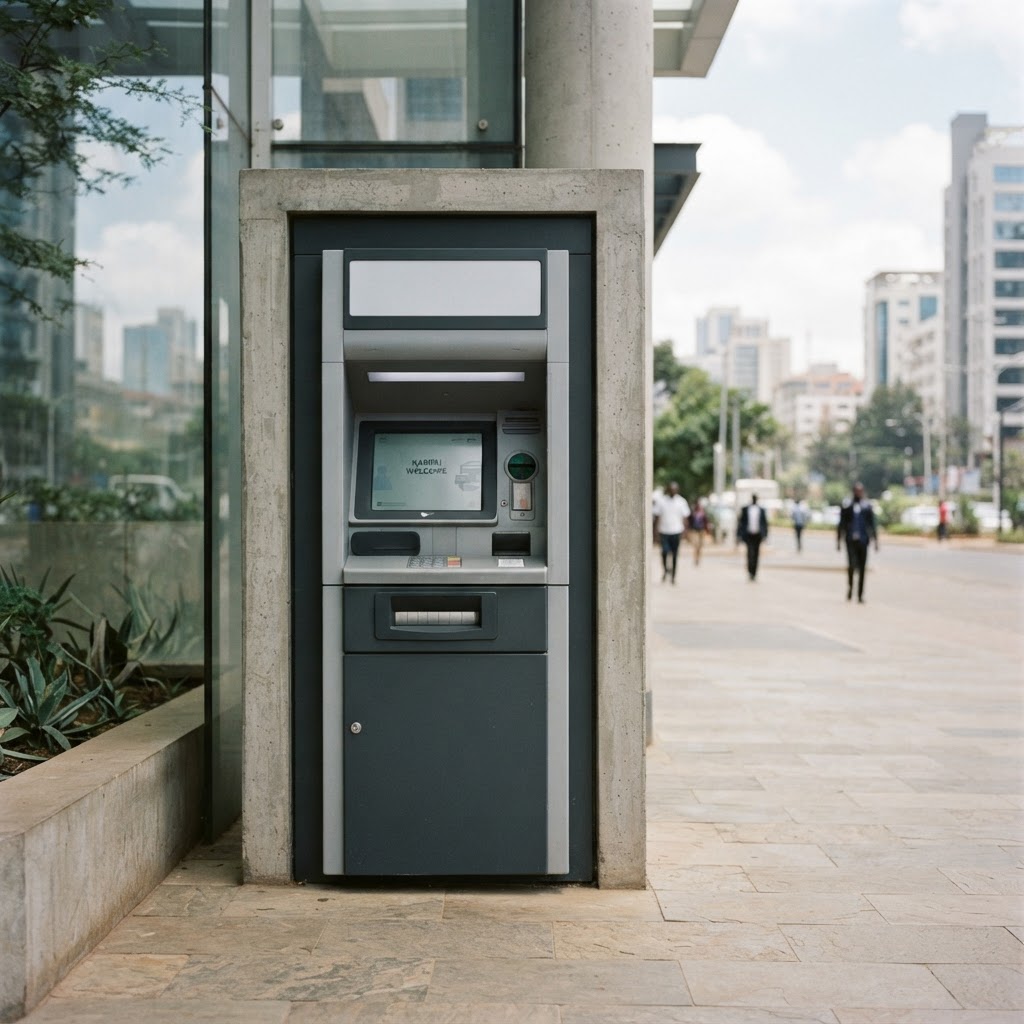
The South African Reserve Bank has set in motion a seismic restructuring of the nation’s cash withdrawal landscape, signaling the most profound shift in retail banking infrastructure seen in thirty years. By transitioning toward an interoperable, white-labelled network, the regulator intends to strip away the proprietary barriers that have long defined how citizens interact with their money. This initiative is not merely a logistical update; it is a fundamental reconfiguration of the country's physical financial framework. Scheduled for a pilot launch this coming January, the policy seeks to replace the current fragmented model of bank-specific machines with a unified, national fleet. For the average South African, the implications are extensive. For too long, residents in rural provinces and lower-income urban centers have faced limited choices, often traveling vast distances to find an ATM affiliated with their specific provider. Those opting for 'out-of-network' machines have consistently been penalized with exorbitant transaction fees. This new mandate aims to dissolve those geographic and economic bottlenecks. Perhaps the most significant aspect of this transformation is the commitment to fee-free services for transactions below a designated monetary ceiling. By shielding lower-income earners from the punitive costs associated with routine cash withdrawals, the Reserve Bank is taking an aggressive stance on financial inclusion. This shift recognizes that for millions of people, a cash transaction is a necessary daily utility rather than a luxury, and current banking charges represent a regressive tax on the poor. The logic is clear: by decoupling hardware from private institutions, the government is fostering an environment where market competition is driven by service quality rather than an exclusionary grip on infrastructure. Smaller players and fintech entrants may finally find a level playing field, as the barrier to entry—maintaining a vast, private ATM network—will no longer be a requirement for retail banking participation. However, the transition will not be without its challenges. Commercial banks, which have spent decades branding their presence on street corners, will need to fundamentally rethink their strategy for physical visibility. Furthermore, the operational logistics of maintaining a standardized, white-labelled network require meticulous coordination between the regulator and the private sector to ensure the same levels of security and uptime that South Africans have come to expect. From a socio-economic perspective, the move is a direct intervention in the persistent wealth gap. Access to liquid capital is the lifeblood of the informal economy. When cash machines are restricted by brand loyalty, the friction of daily life increases, disproportionately affecting those who rely on informal trading and cash-based livelihoods. By eliminating the 'convenience tax' on non-bank specific withdrawals, the state is effectively returning capital to the pockets of those who need it most. As the January pilot date approaches, all eyes will be on how the major retail banks adapt to this loss of brand exclusivity. For now, the promise of a more equitable and efficient cash ecosystem offers a beacon of hope for a system that has, for too long, prioritized corporate branding over the needs of the everyday citizen.
About the Author
Fatima Mokoena
Staff Reporter
Fatima Mokoena reports for National Post UK with a focus on rigorous analysis and authoritative journalism — a trusted voice across British public life.
Reader Discussion · 6
Subscribers can join the conversation.
SUBSCRIBE TO COMMENT →I just hope this does not lead to increased downtime. When these networks are centralised, a single technical fault can take out half the country's access to cash.
A white-labelled network effectively turns the whole system into a utility, which is exactly how it should have been handled years ago. It is purely an efficiency play to reduce operational costs for the big lenders.
While interoperability sounds great on paper, I would prefer if they focused on keeping actual bank branches open instead of just worrying about cash points.
It is about time the infrastructure was modernised. Banking in this country has felt like it is stuck in the nineties for far too long.
I am worried about what this means for rural communities. If they start consolidating these machines, we will likely see even fewer options in the smaller villages.
This sounds like a sensible move. Too many times I have been charged a premium just for using a machine that does not belong to my specific bank.