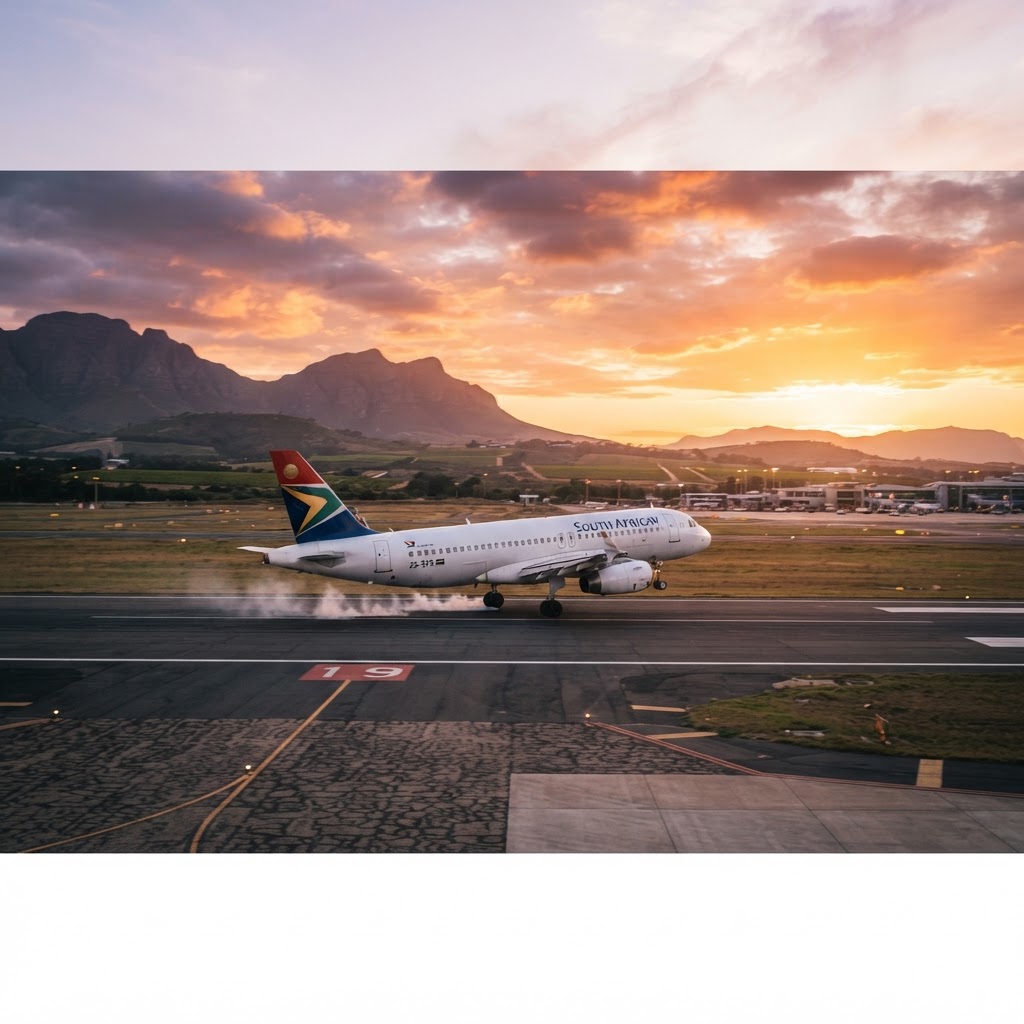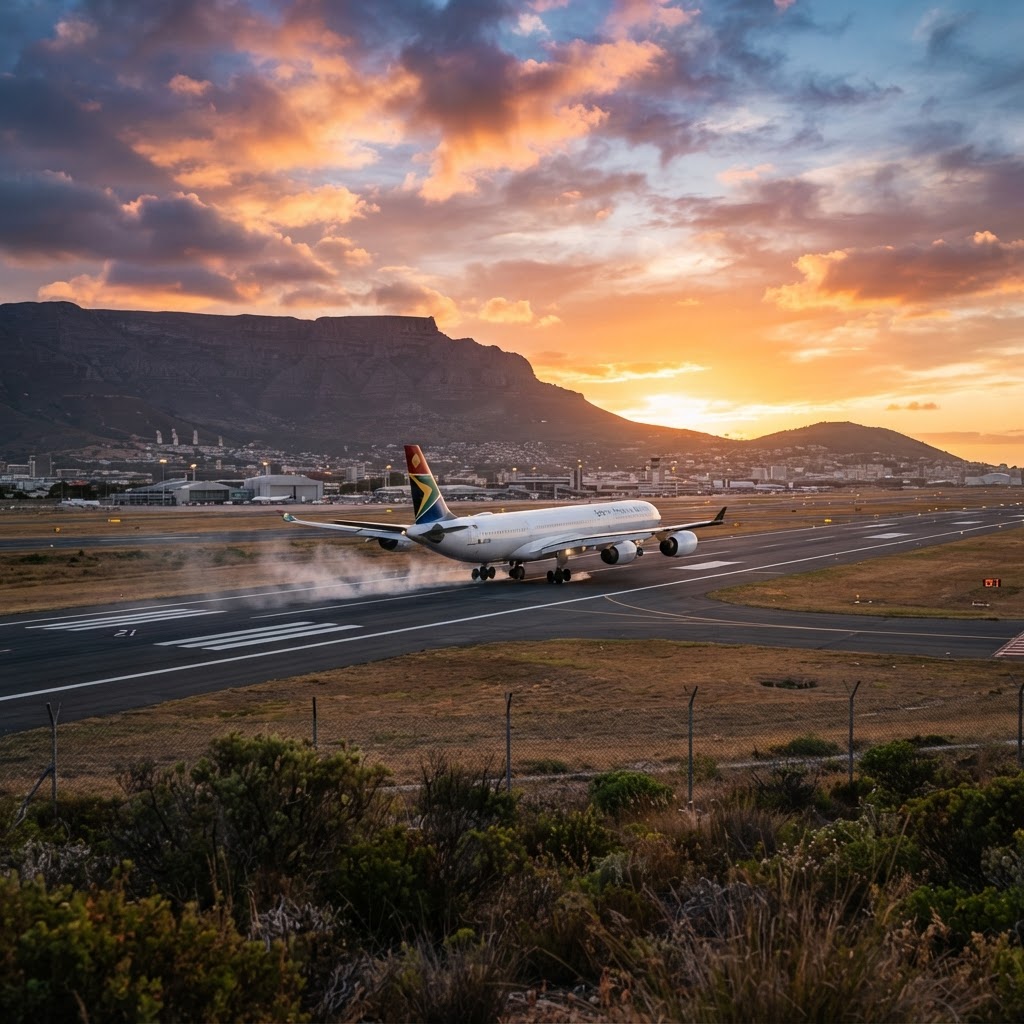
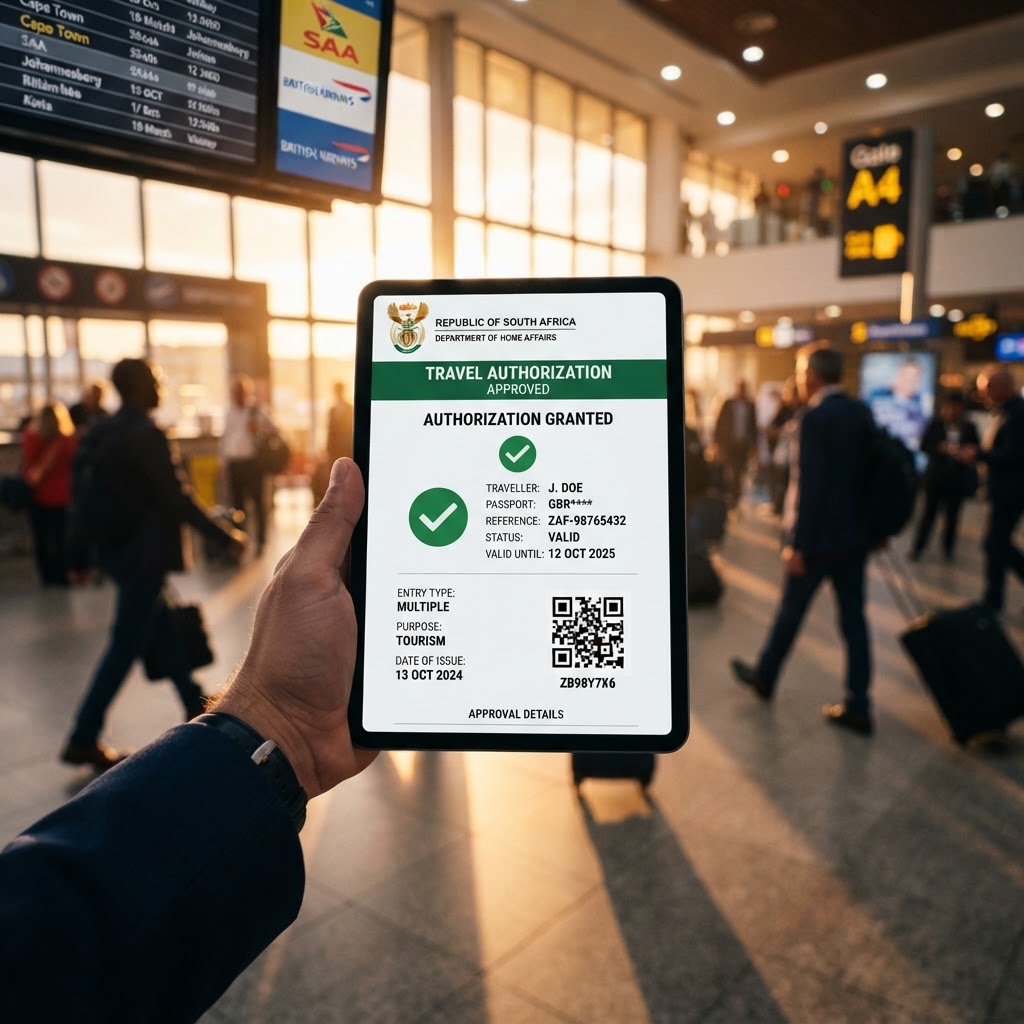
The gates to South Africa are swinging wide open as the Department of Tourism transitions into a modern, digital-first era. At the bustling 2026 Africa Travel Indaba in Durban, Minister Patricia de Lille officially introduced the Electronic Travel Authorisation (ETA) system. This move signals a departure from the cumbersome administrative bottlenecks that have long frustrated potential international tourists. By replacing dated paper-based protocols with a seamless digital interface, the government hopes to position South Africa as a more accessible and attractive destination on the global stage. The technology is designed to expedite border processing, allowing the industry to pivot from bureaucratic management to service-oriented growth. For the average traveler, this means the end of long consulate queues and the beginning of a simplified, secure digital journey. The rollout is being positioned as a cornerstone of the administration’s plan to invigorate the local economy by maximizing international throughput. Beyond the technical upgrade, the strategy addresses a fundamental challenge: South Africa has often struggled to compete with other global hubs that offer friction-free travel. By refining airline verification procedures and streamlining entry documentation, the state is essentially removing the 'red tape tax' that has previously deterred spontaneous travel. This is not merely a logistical tweak; it is a vital economic intervention. Given that tourism remains a massive employer, accounting for nearly one million direct positions across the country, any uptick in visitor volume carries immediate downstream benefits. From the boutique hotel owners in the Western Cape to the wildlife lodges bordering the Kruger, the ripple effect of this policy change will be closely monitored. When international arrivals climb, the influx of foreign currency helps stabilize the local rand and supports small-to-medium enterprises that define the character of our hospitality sector. The timing of this initiative coincides with a period of steady recovery for the industry. Having survived the volatility of the last few years, the tourism sector has proven itself a resilient engine for GDP growth. However, Minister de Lille noted that resilience is no longer enough; the mandate now is expansion. The ETA system acts as a digital bridge, connecting South Africa’s world-class attractions—from the craggy cliffs of the Garden Route to the vibrant cultural districts of Johannesburg—directly to the smartphones of potential visitors worldwide. Of course, the implementation phase will be critical. The successful integration of this software with airline security databases will determine whether this promise transforms into a measurable surge in tourism revenue. Security stakeholders have noted that the system is built with high-level encryption to ensure that speed does not come at the expense of national safety. If the system performs as expected, it could serve as a model for other sectors looking to digitize their public-facing services. As the sector looks toward the upcoming peak seasons, the anticipation is palpable. By reducing the friction involved in planning a trip to the southern tip of Africa, the government is betting that international travelers will choose us over our competitors. If the plan succeeds, it will cement the tourism sector’s status as a primary catalyst for national recovery and long-term prosperity.
About the Author
Fatima Mokoena
Staff Reporter
Fatima Mokoena reports for National Post UK with a focus on rigorous analysis and authoritative journalism — a trusted voice across British public life.
Reader Discussion · 4
Subscribers can join the conversation.
SUBSCRIBE TO COMMENT →While digital systems are efficient, I hope they do not lose the personal touch at the border. Modernising is fine, but security and welcoming staff are just as important for maintaining our reputation as a premier destination.
As someone who travels to Cape Town for business annually, anything that reduces the time spent queuing at home affairs is a welcome change. Hopefully, this also signals a broader shift towards more efficient governance in the tourism sector.
It sounds promising, but I do wonder about the technical stability of the platform. We have seen enough government IT projects fall flat, so let us hope they have tested this system thoroughly before the busy season hits.
Long overdue if you ask me. The bureaucratic hurdles for visiting South Africa have been off-putting for years, so a streamlined digital process might finally convince me to book that safari I have been putting off.