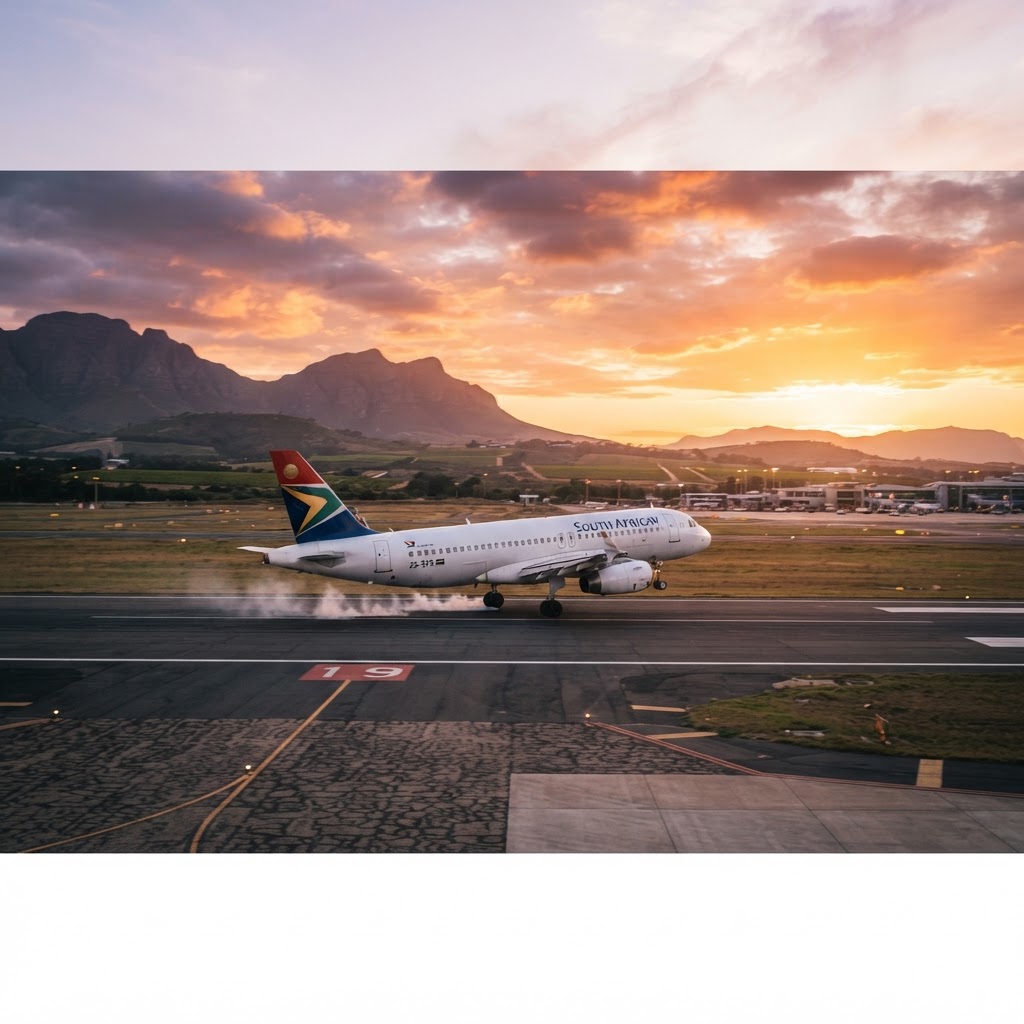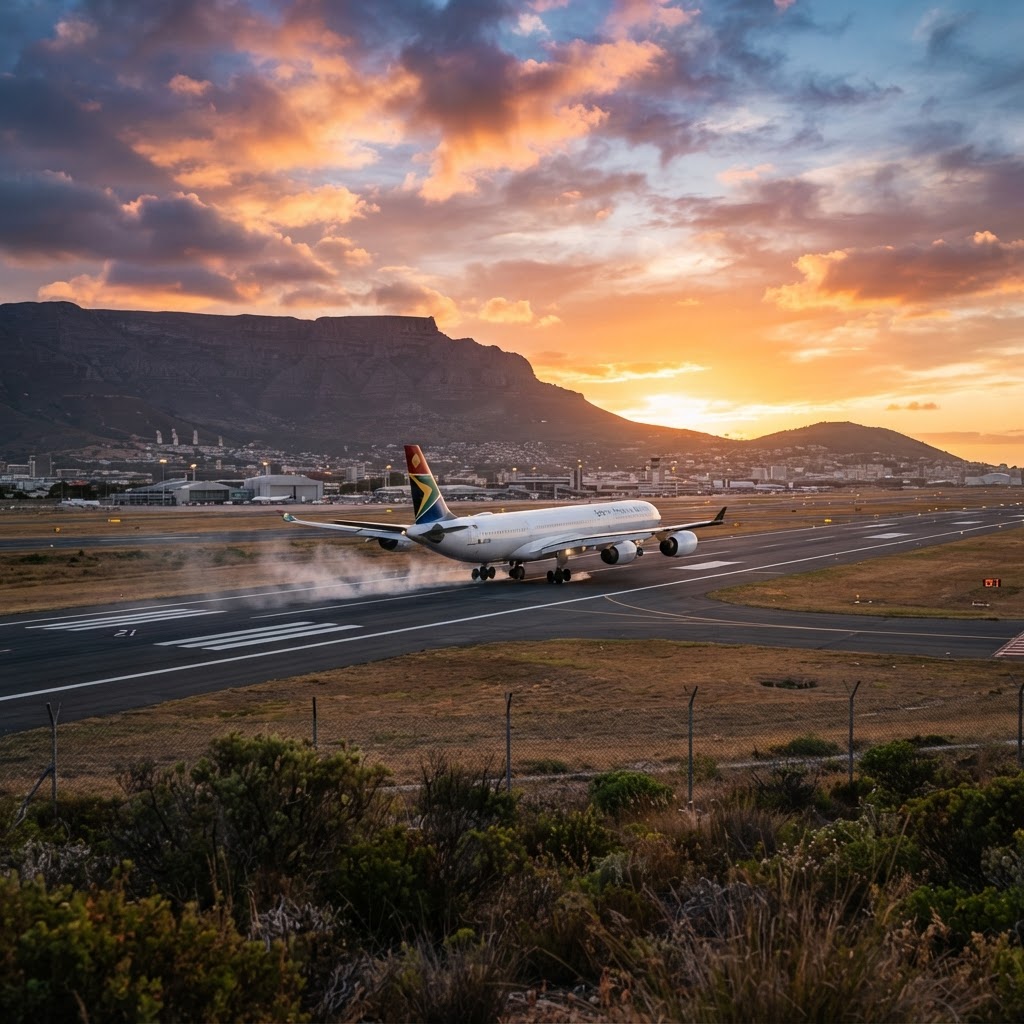
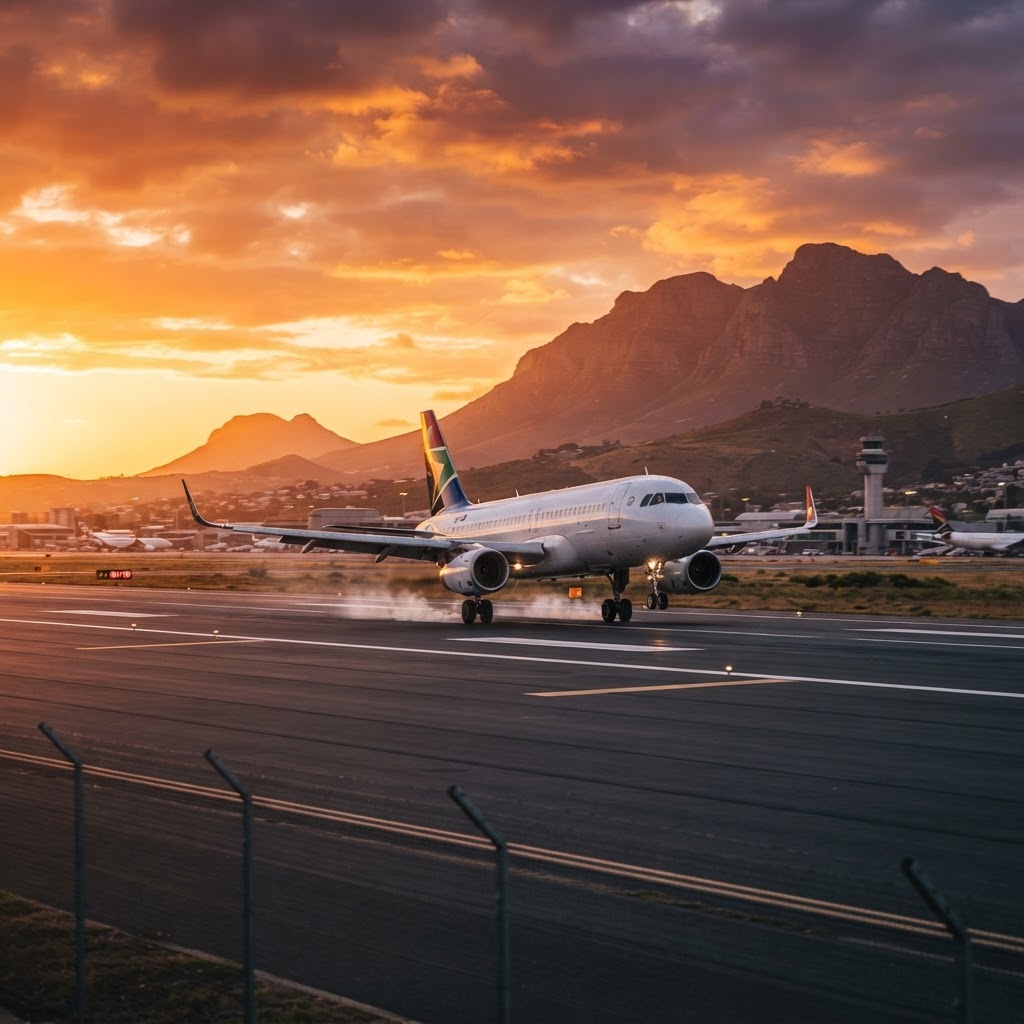
The South African aviation landscape is preparing for a significant transition as one of the world's leading carriers, Turkish Airlines, announces a major uptick in its operational reach. Starting in October 2026, the airline will ramp up its weekly schedule to 20 flights connecting Istanbul with the critical gateways of Johannesburg and Cape Town. This expansion represents more than just additional seats; it marks a strategic endorsement of South Africa as a focal point for global travel and commerce. This decision comes on the heels of a record-breaking performance for the local tourism sector, which welcomed 10.5 million international visitors throughout 2025. By cementing these ties, the country is positioning itself to capitalize on the sustained momentum seen over the past eighteen months. The influx of capacity is expected to streamline travel logistics for thousands of passengers, making the long-haul journey to the southern tip of Africa significantly more accessible. A sophisticated destination marketing collaboration between national authorities and the carrier is already in motion. This joint effort is designed to capture latent market interest, ensuring that the additional flight capacity is met with a surge in bookings well before the traditional peak summer holidays. For the domestic industry, this serves as a vital safeguard against seasonal fluctuations. By smoothing out demand, the initiative provides a more consistent environment for hospitality businesses, from high-end hotels to boutique lodges in the Cape and Gauteng. Beyond the immediate tourism gains, the increase in flights is a massive win for the South African business community. Efficient, high-frequency connectivity to a major global hub like Istanbul allows for better integration into international trade networks. Local entrepreneurs and corporate executives now have more flexible scheduling options for engaging with counterparts in Europe, Asia, and beyond. In an era where global integration dictates economic resilience, having robust aerial corridors is not a luxury—it is an absolute necessity for economic growth. The socio-economic implications are equally profound. The hospitality, travel, and logistics sectors are historically among the most effective drivers of job creation within the country. As flight schedules expand, the ripple effect will touch ground handling services, local transport providers, and the retail sector at large. New demand requires a larger workforce, and these operational upgrades will likely lead to hiring initiatives that support families across our major metropolitan areas. It reinforces the stability and appeal of South Africa as a reliable destination for both leisure and investment. As we look toward late 2026, this development acts as a bridge to a more connected future. By reducing the friction associated with long-distance travel, we are inviting more of the world to experience our offerings while simultaneously strengthening our internal infrastructure. This is a clear signal that South Africa’s status on the world stage remains robust and increasingly attractive to international interests. For the average South African, this expansion promises more competitive fares and a more seamless travel experience. It is a tangible development that demonstrates how strategic partnerships can translate into national benefits. As the aviation industry prepares for these structural changes, the sentiment remains optimistic. Growth in travel is the bedrock of a thriving service economy, and this move by Turkish Airlines is a decisive step toward unlocking new potential for the nation.
About the Author
Thabo Ndlovu
Staff Reporter
Thabo Ndlovu reports for National Post UK with a focus on rigorous analysis and authoritative journalism — a trusted voice across British public life.
Reader Discussion · 4
Subscribers can join the conversation.
SUBSCRIBE TO COMMENT →I have used Istanbul as a stopover for years and it is by far the most efficient way to reach the southern tip of Africa. This expansion will definitely make planning our annual family trip much easier.
It will be interesting to see if this actually brings flight prices down or if it just means more seats are available for the same exorbitant rates. I have flown Turkish Airlines before and the service is decent, but the cost has become prohibitive recently.
While increased capacity is positive for the tourism sector, I do worry about the impact on the local infrastructure. Our airports are already struggling to cope with current passenger numbers during peak season.
This is excellent news for anyone trying to get out to Cape Town without the usual hassle of connecting through hubs that always seem to delay my luggage. More competition on these routes is long overdue.