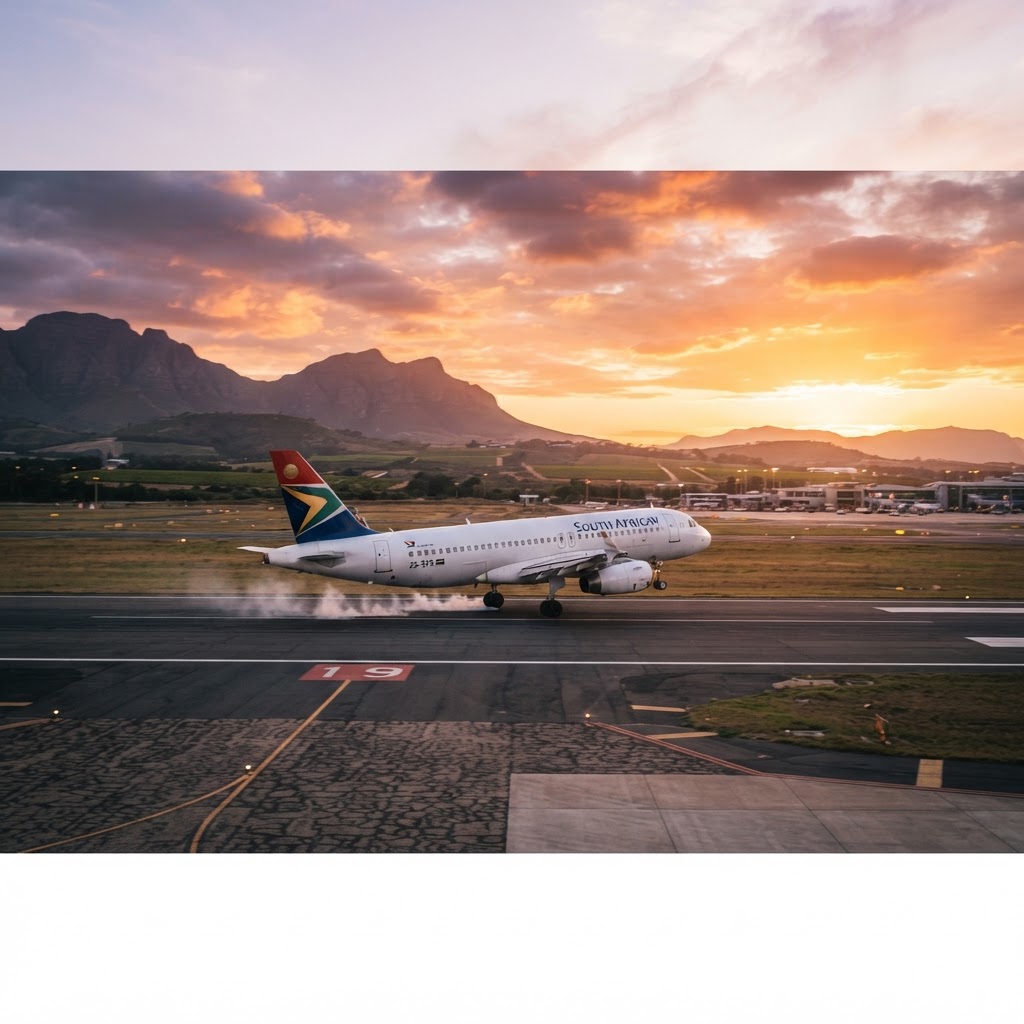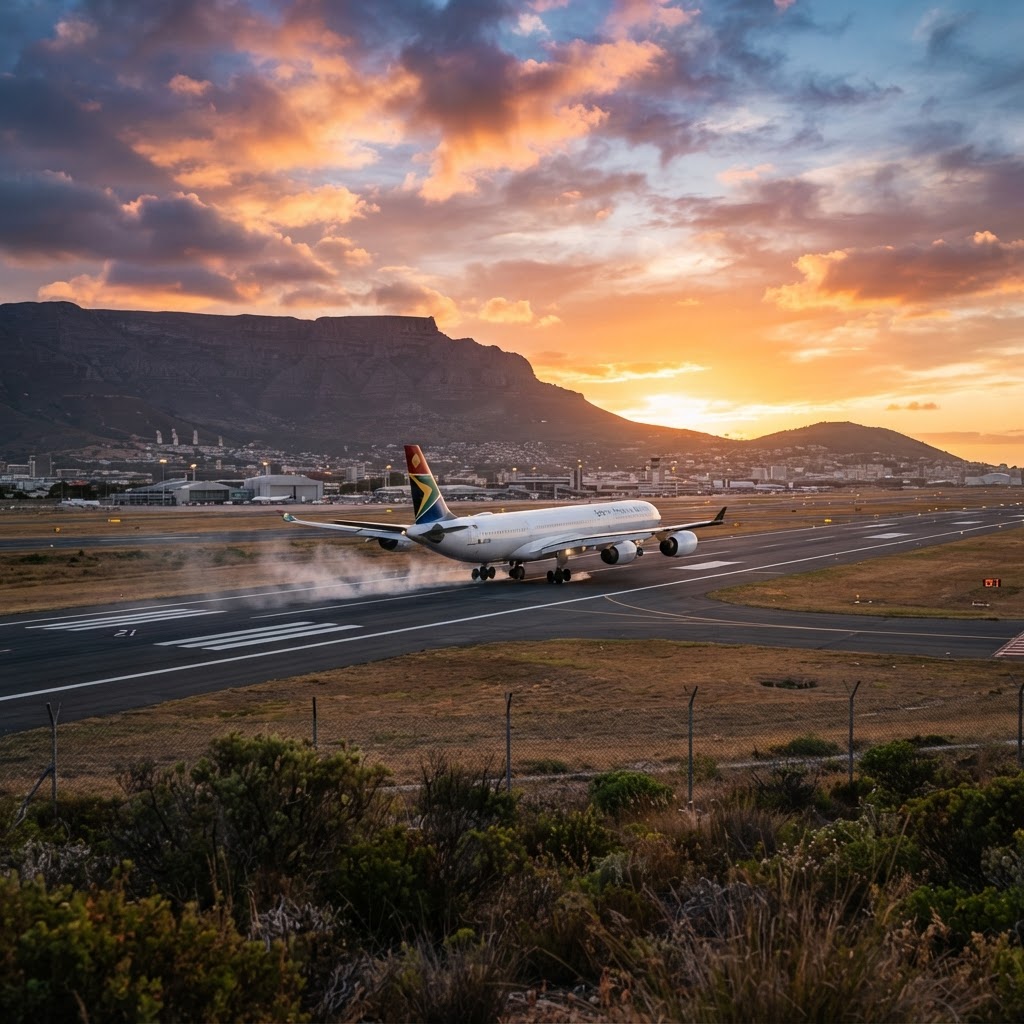
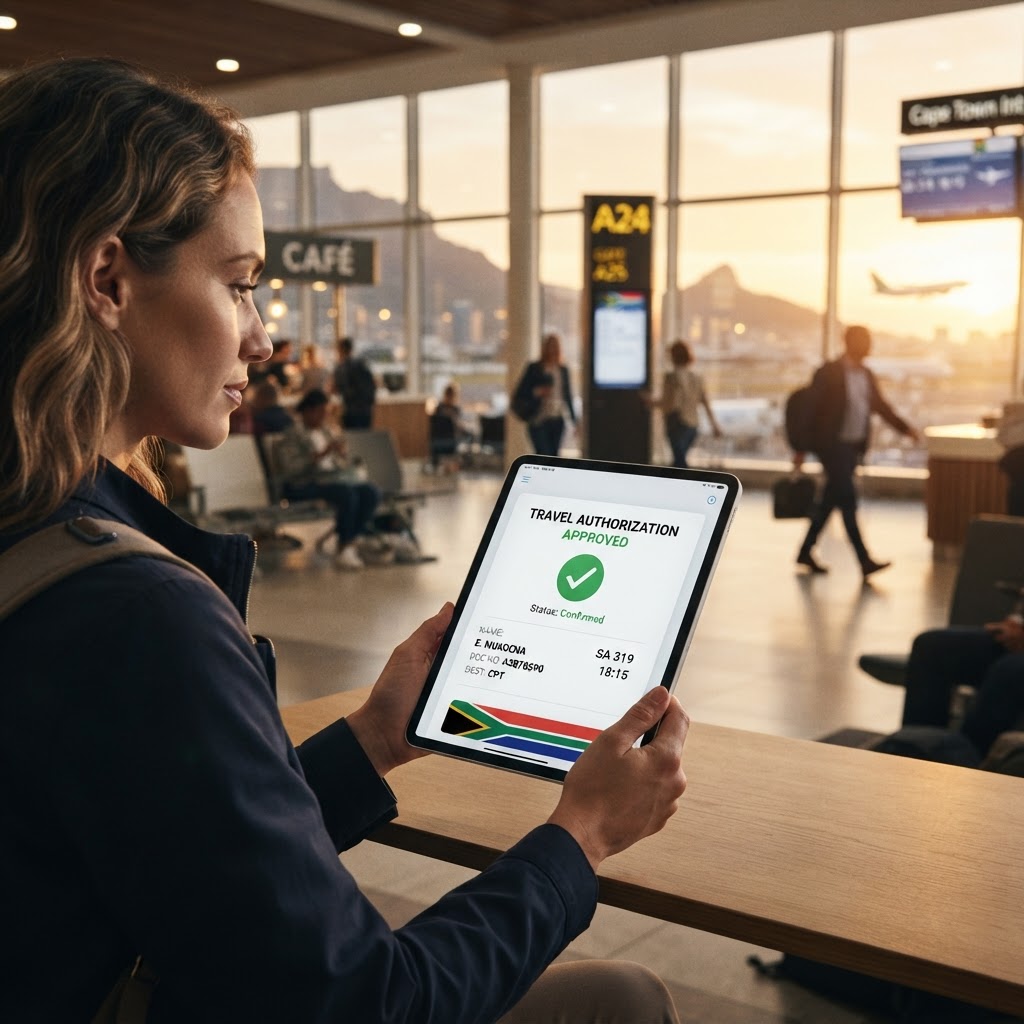
South Africa’s notoriously slow and cumbersome border control experience is undergoing a radical digital transformation. Minister Leon Schreiber has officially unveiled the country’s new Electronic Travel Authorisation (ETA) platform, marking a pivot away from the paper-heavy, manual processes that have long frustrated international visitors and locals alike. This technological overhaul seeks to align South African immigration standards with global best practices, prioritizing efficiency without compromising national security. By integrating this platform with the latest version of the Electronic Movement Control System, the government is effectively replacing old-school rubber stamps with biometric precision. The shift is designed to ensure that the moment a traveler touches down at an international airport, their credentials are verified almost instantaneously via advanced facial recognition technology. This transition is not merely about convenience; it represents a fundamental change in how the state manages human traffic flow. Security experts have long argued that manual systems are prone to human error and potential document fraud. By digitizing the entire entry record, the Department of Home Affairs is creating a centralized, tamper-proof audit trail that bolsters national border integrity. For the average South African, the implications extend far beyond airport queues. Tourism serves as a cornerstone of the national economy, and for too long, potential visitors have been deterred by bureaucratic red tape and the difficulty of navigating the visa landscape. By simplifying the application process, the government hopes to attract a larger influx of international capital, which translates into job creation within the hospitality, aviation, and retail sectors. The system also offers a long-overdue solution for visitors needing a bit more time in the country. Previously, the process of extending a short-stay visa was a harrowing journey through local Home Affairs offices, often characterized by long lines and administrative delays. Under the new digital portal, legitimate travelers can now request an extension of up to 90 days with a few clicks. This removes the administrative friction that previously discouraged international tourists from staying longer or investing their money in our local economy. While the rollout is currently targeted at those entering on specific short-stay visa requirements, the long-term vision is a fully modernized immigration landscape. This digital leap is a vital component of the country’s broader strategy to position itself as a global travel destination that is both secure and welcoming. As the system scales, it will likely reduce the burden on front-line immigration officials, allowing them to focus on high-risk monitoring rather than routine document verification. Critics have often pointed to the inefficiency of the Department of Home Affairs as a drag on economic recovery. This initiative suggests a willingness to embrace innovation as a tool for progress. If executed effectively, this platform could set a new benchmark for public-private collaboration in service delivery. Ultimately, the success of the ETA will be measured by how quickly and smoothly it allows visitors to enter our country. By removing the barriers of the past, South Africa is finally signaling to the world that it is open for business, ready for growth, and capable of operating with 21st-century efficiency.
About the Author
Fatima Mokoena
Staff Reporter
Fatima Mokoena reports for National Post UK with a focus on rigorous analysis and authoritative journalism — a trusted voice across British public life.
Reader Discussion · 6
Subscribers can join the conversation.
SUBSCRIBE TO COMMENT →As a frequent business traveller to Cape Town, this is music to my ears. Anything that removes the requirement for physical paperwork is a welcome change to the current headache.
Minister Schreiber is certainly making moves, but the back-end staff training is where these projects usually fall apart. Let us hope they have invested in the people as much as the platform.
Does this apply to everyone or are there still going to be specific exclusions? I hope they have factored in the security concerns rather than just trying to move people through faster.
It is a sensible step if they want to boost tourism numbers. Many other countries moved to e-visas years ago, so South Africa is simply catching up to the global standard.
I will believe it when I see it actually working. Technology is all well and good, but the underlying infrastructure in South Africa is often too unreliable to support these sorts of digital transitions.
This is long overdue. My last trip through OR Tambo took nearly three hours just to get through immigration, so if this speeds things up, it will be a massive improvement.