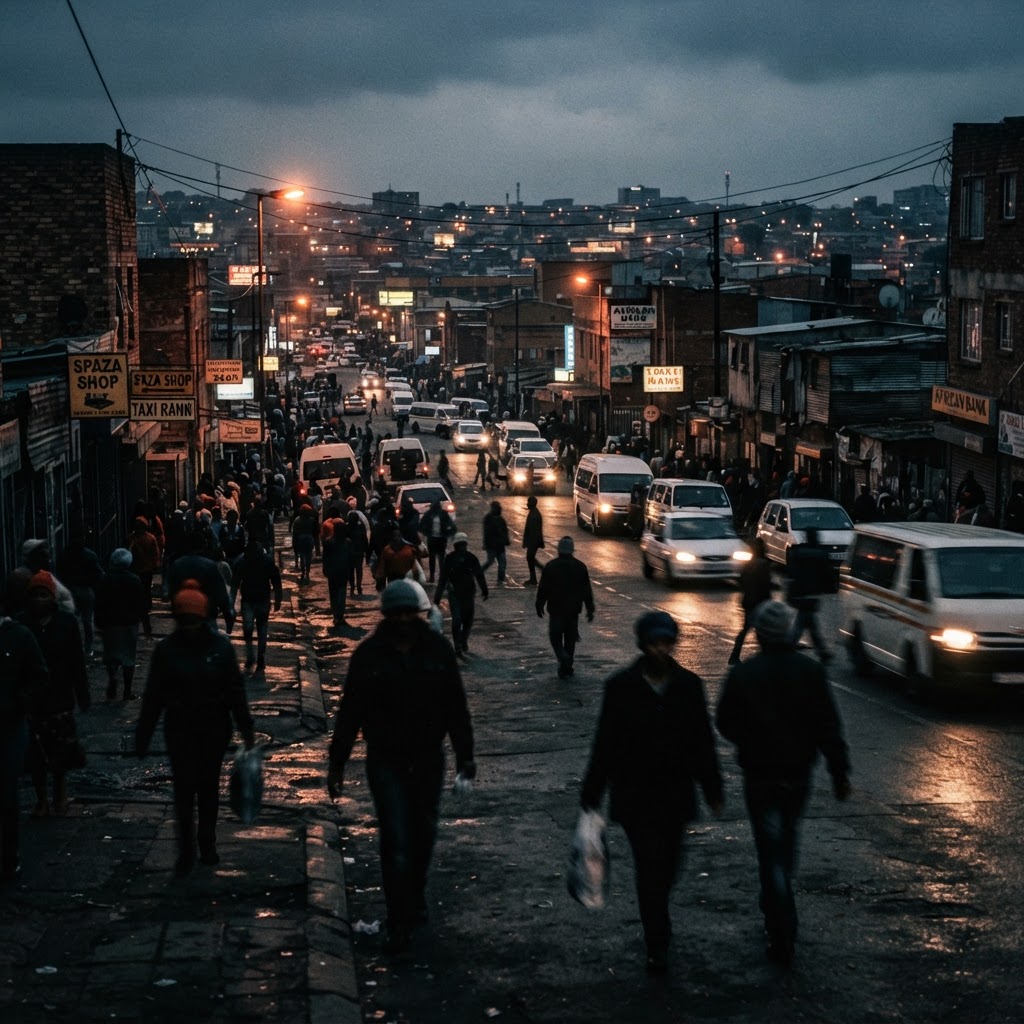

The streets of Durban have once again been marred by senseless bloodshed after a large group descended upon an individual in a lethal display of public violence. Approximately 50 people were reportedly involved in the assault, which resulted in the death of a foreign national. The incident has sent shockwaves through the community, forcing a difficult national conversation about the safety of those living within our borders. Law enforcement agencies are now scrambling to determine the specific catalysts for this tragedy, though the atmosphere in the city remains tense. This incident is far from an isolated event. It is a chilling echo of the volatile sentiments that have bubbled over in major urban centers across the country, from Johannesburg to the coastal hubs of KwaZulu-Natal. The recurring nature of these attacks suggests that the social contract in South Africa is fraying under the weight of mounting economic frustration and political instability. Data from international migration monitors indicates a mass exodus is currently underway, with over 15,000 individuals having crossed into Mozambique to escape the reach of this domestic hostility. This statistic is more than a number; it represents a profound failure of our humanitarian commitments and our image on the African continent. For the average South African, the implications of this violence are deeply personal. When the rule of law is subverted by mobs in broad daylight, it signals a breakdown in the institutional trust necessary for a functional democracy. Furthermore, this cycle of xenophobic aggression risks isolating South Africa, potentially damaging trade relations and our standing as a leader in regional diplomacy. The persistent insecurity threatens to stifle investment and tourism, sectors already struggling in a stagnant economy. The government has attempted to pivot, deploying increased border patrols and ramping up scrutiny of local labor compliance to address public grievances. However, observers argue that these tactical measures fail to address the root causes of the hatred currently poisoning our communities. Addressing this crisis requires more than just a policing response; it demands a clear and unified message from leadership that vigilante justice will not be tolerated in a constitutional democracy. As the investigation continues, the victim of this Durban tragedy remains a symbol of a broader malady. If the state cannot ensure the security of all individuals within its jurisdiction, the consequences for our national cohesion will be devastating. We stand at a crossroads where the choice is between upholding the values of our constitution or succumbing to the divisive impulses that have already driven thousands into exile. The path forward must involve comprehensive engagement with local communities to dismantle the prejudices that fuel this cycle of violence. Without meaningful intervention, the image of a 'Rainbow Nation' will continue to fade, replaced by the grim reality of a fractured society struggling to find its moral footing.
TopicsDaily StandardWorldAfricanews
About the Author
FM
Fatima Mokoena
Staff Reporter
Fatima Mokoena reports for National Post UK with a focus on rigorous analysis and authoritative journalism — a trusted voice across British public life.
Reader Discussion
Subscribers can join the conversation.
SUBSCRIBE TO COMMENT →No comments yet. Be the first to share your thoughts.