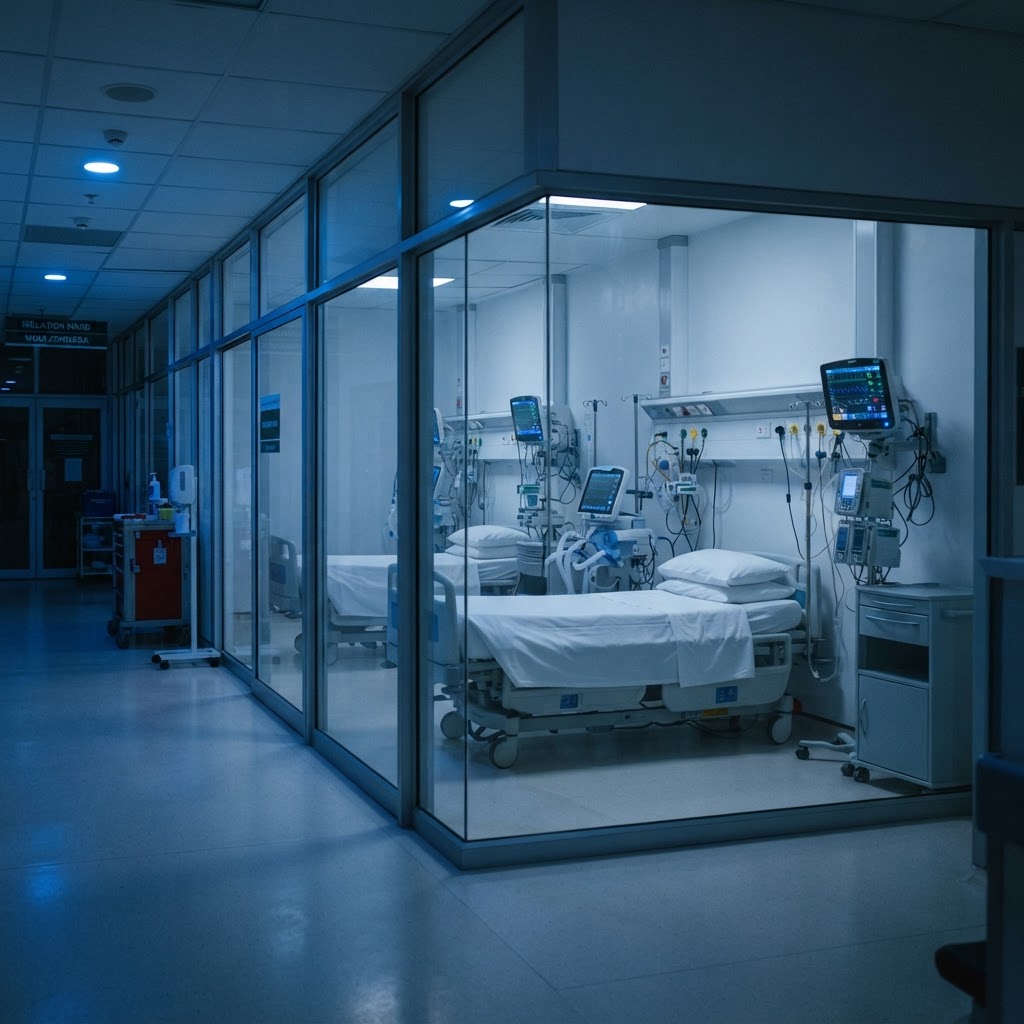
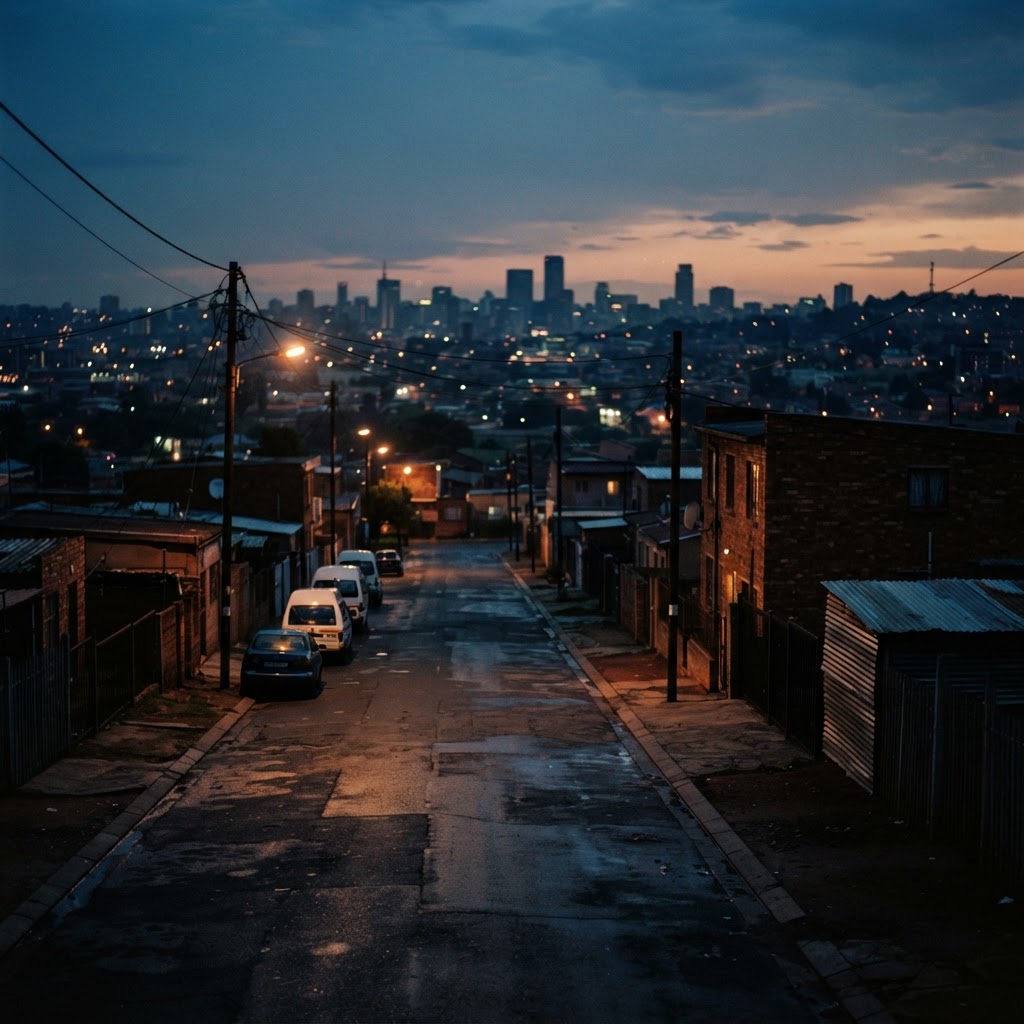
The African Commission on Human and Peoples’ Rights has issued a stinging rebuke of the South African government, demanding that the recent wave of violent outbursts targeting foreign nationals be classified as a national emergency. This intervention arrives in the wake of a horrific mob assault in Durban, where a foreign citizen was killed in circumstances that have shocked observers both at home and abroad. The commission, spearheaded by Commissioner Idrissa Sow, has explicitly signaled that the current strategy for managing civil unrest is failing to stem the tide of extra-judicial killings. For the South African authorities, this diplomatic push represents a significant escalation in the external scrutiny directed at domestic human rights failures. The commission’s stance is clear: the status quo, which has seen sporadic eruptions of targeted violence, is no longer sustainable under international legal frameworks. The brutal Durban incident serves as a grim marker of how far communal tensions have deteriorated. While political leadership has often dismissed these episodes as isolated acts of criminality, the commission asserts that the pattern suggests a systemic inability to guarantee the safety of non-nationals residing within our borders. This shift in discourse forces the Pretoria administration to look past the rhetoric of law enforcement and address the underlying xenophobic currents that fuel such hostility. For the average South African, the implications of this intervention are profound. We are no longer operating in a vacuum where domestic grievances can be shielded from global oversight. As a signatory to various continental and international human rights charters, South Africa now faces the prospect of reputational damage that could affect regional relations and trade dynamics. The commission’s insistence on declaring a crisis is not merely a semantic demand; it is a call for a fundamental realignment of security and social cohesion policies. Critics argue that the government has long been slow to react, often waiting until blood is shed before deploying meaningful interventions. By framing the violence as an institutional failure, the commission highlights a lack of accountability within local police services and regional municipalities. If the state continues to respond with reactive policing rather than proactive social reconciliation, the risk of further isolation on the world stage grows. Furthermore, the socio-economic backdrop of these attacks—often fueled by competition for scarce resources and public infrastructure—remains a ticking time bomb. The commission's focus on human rights serves to remind the state that, regardless of economic hardship, the protection of life remains the absolute cornerstone of our constitutional democracy. The inability of our security clusters to contain these mobs does more than just threaten lives; it undermines the rule of law itself. Ultimately, this call from the African Commission is a litmus test for South Africa’s commitment to its own values. The world is watching to see whether our leadership will treat this as an urgent human rights priority or if it will choose to ignore the warnings until the next tragedy unfolds. The path toward stability requires far more than political platitudes; it demands immediate, transparent, and enforceable measures to restore order and protect every person on our soil from the scourge of hate-fueled violence.
TopicsDaily StandardAfricaAfrican Commission on Human and Peoples' Rights
About the Author
FM
Fatima Mokoena
Staff Reporter
Fatima Mokoena reports for National Post UK with a focus on rigorous analysis and authoritative journalism — a trusted voice across British public life.
Reader Discussion
Subscribers can join the conversation.
SUBSCRIBE TO COMMENT →No comments yet. Be the first to share your thoughts.