
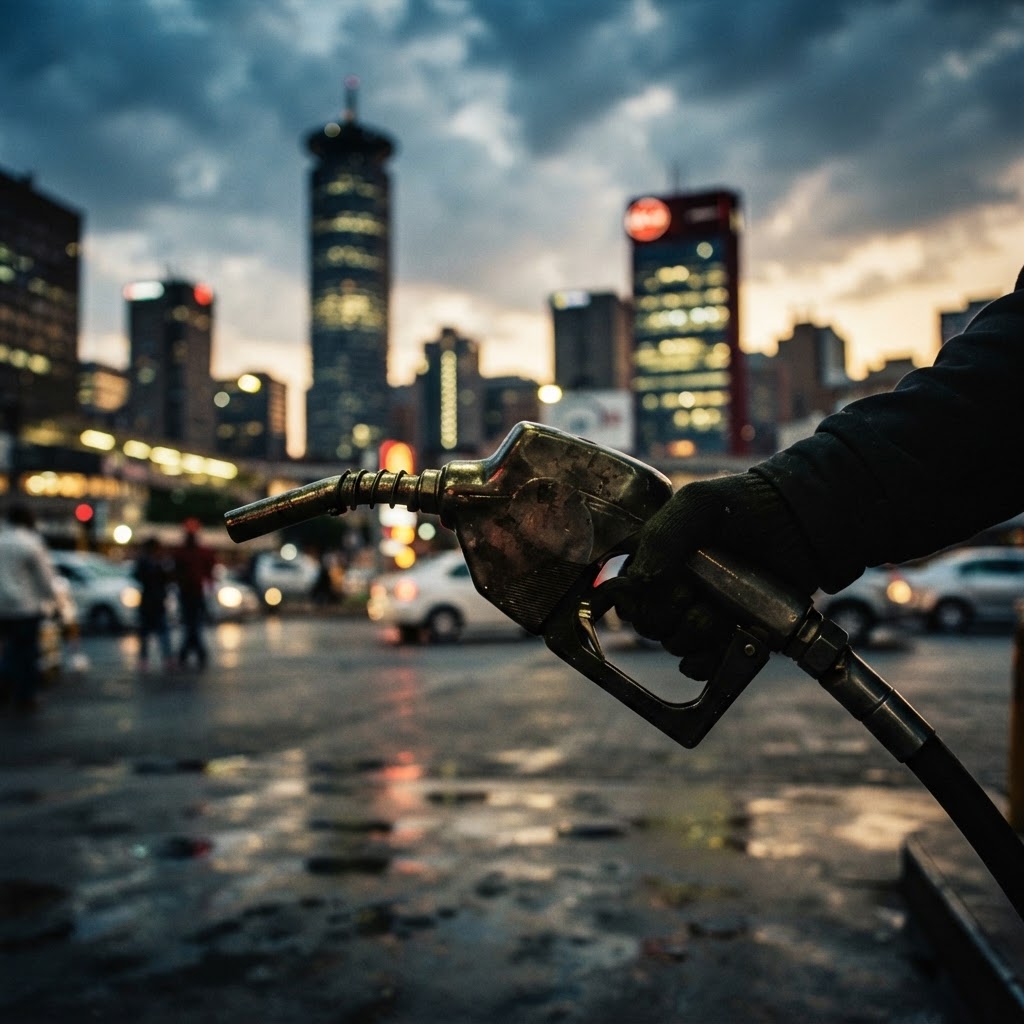
South Africans are bracing for further financial instability as the administration signals an urgent shift in fiscal strategy. President Cyril Ramaphosa recently indicated that the executive branch is locked in intensive consultations with the National Treasury, aimed at finding a viable path to shield citizens from the unrelenting surge in energy costs. The move comes as the geopolitical volatility between Washington and Tehran continues to send shockwaves through global crude markets, leaving energy-dependent economies like South Africa particularly vulnerable to price spikes. For the average commuter, the current situation is becoming untenable, as fuel expenditures represent an increasingly disproportionate slice of the domestic budget. With public transport fares already climbing and the broader cost of goods rising in tandem with logistics expenses, the economic strain is reaching a boiling point. The Treasury is now tasked with a delicate balancing act. While the appetite for consumer relief is high, government economists warn that slashing fuel levies could create a dangerous shortfall in revenue—money that is vital for funding social infrastructure and maintaining essential public services. This fiscal tightrope walk is made all the more difficult by the shadow of the upcoming medium-term budget policy statement. This policy document will serve as a definitive litmus test for the administration's commitment to fiscal discipline during an era of global volatility. Local economists observe that South Africa is effectively trapped between a rock and a hard place. Interest rate hikes, which were implemented to curb persistent inflation, have already stifled growth, leaving households with little to no disposable income. If the state does not intervene, the risk of social unrest and further industrial stagnation looms large. Conversely, excessive intervention could spook international credit rating agencies who are watching South Africa’s deficit levels with a hawkish eye. Business leaders and labor unions are waiting with bated breath for the specifics of the proposed intervention. Some analysts suggest that a temporary, targeted fuel levy reduction might provide the necessary breathing room for the economy without permanently eroding the tax base. Others argue that the government should look beyond fuel, focusing instead on long-term diversification of energy sources to insulate the country from the whims of international conflict. Ultimately, the next few weeks will be critical for both the political and economic trajectory of the country. Citizens are hoping for more than just rhetoric; they are looking for tangible relief that translates into lower costs at the pump and more stability at the checkout counter. Whether the National Treasury can find the required wiggle room in an already constrained budget remains the central question. As the government navigates this fiscal storm, the eyes of the nation will be firmly fixed on the upcoming policy pronouncements. The outcome will decide whether South African families find the relief they desperately need or continue to bear the brunt of a volatile global landscape.
About the Author
Thabo Ndlovu
Staff Reporter
Thabo Ndlovu reports for National Post UK with a focus on rigorous analysis and authoritative journalism — a trusted voice across British public life.
Reader Discussion · 6
Subscribers can join the conversation.
SUBSCRIBE TO COMMENT →My husband and I have had to cancel our usual weekend trips just to afford the petrol for school runs. I really hope these consultations lead to concrete action immediately.
The global oil market is incredibly volatile right now, so I doubt the government has as much control as they are suggesting. They are likely just hoping for a bit of luck.
I am cautiously optimistic about this news. Anything that helps reduce the burden on our weekly grocery shop is a step in the right direction.
We need to look at the underlying tax structure rather than just temporary relief measures. This feels like a stopgap solution to a much larger systemic problem.
It is about time the government took some responsibility for these market interventions. Families are really struggling to fill their tanks just to get to work.
I will believe it when I see it at the pumps. They have been making these promises for months while the cost of living just keeps climbing.