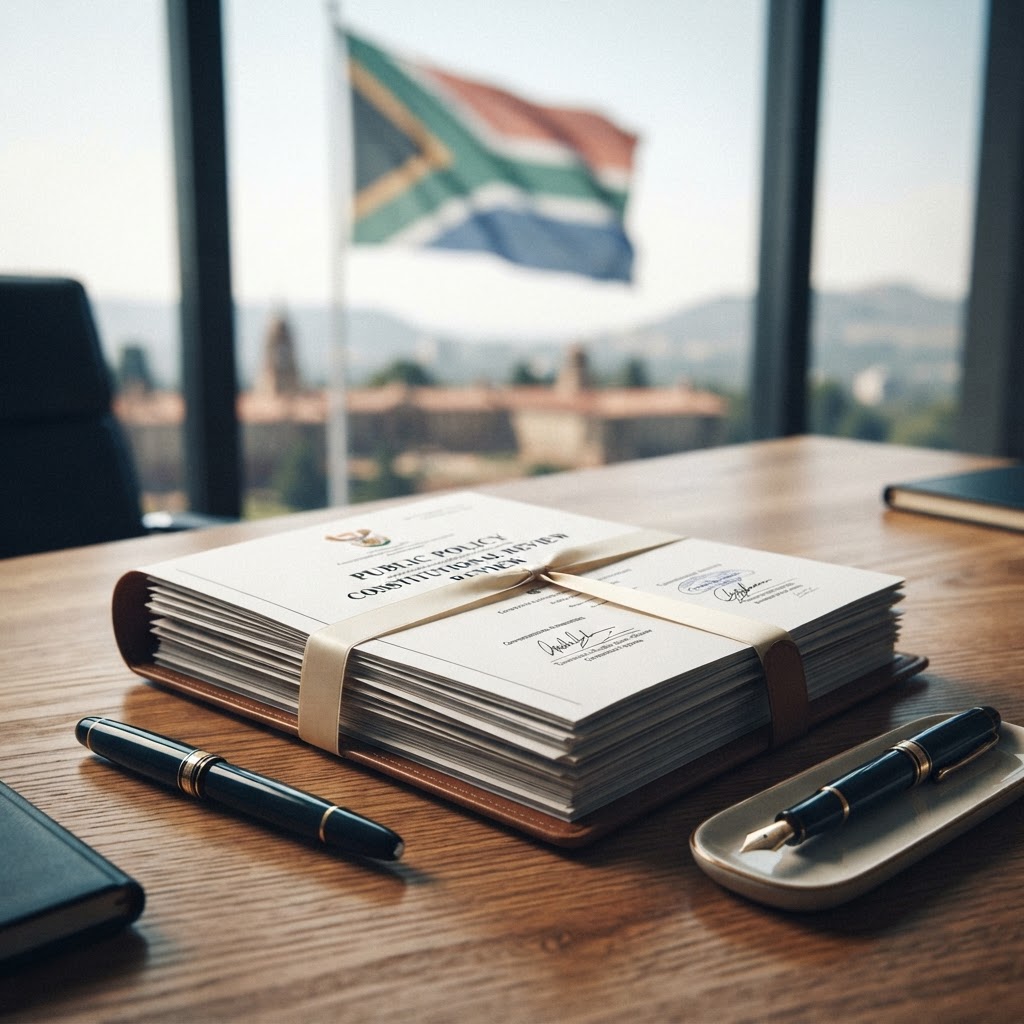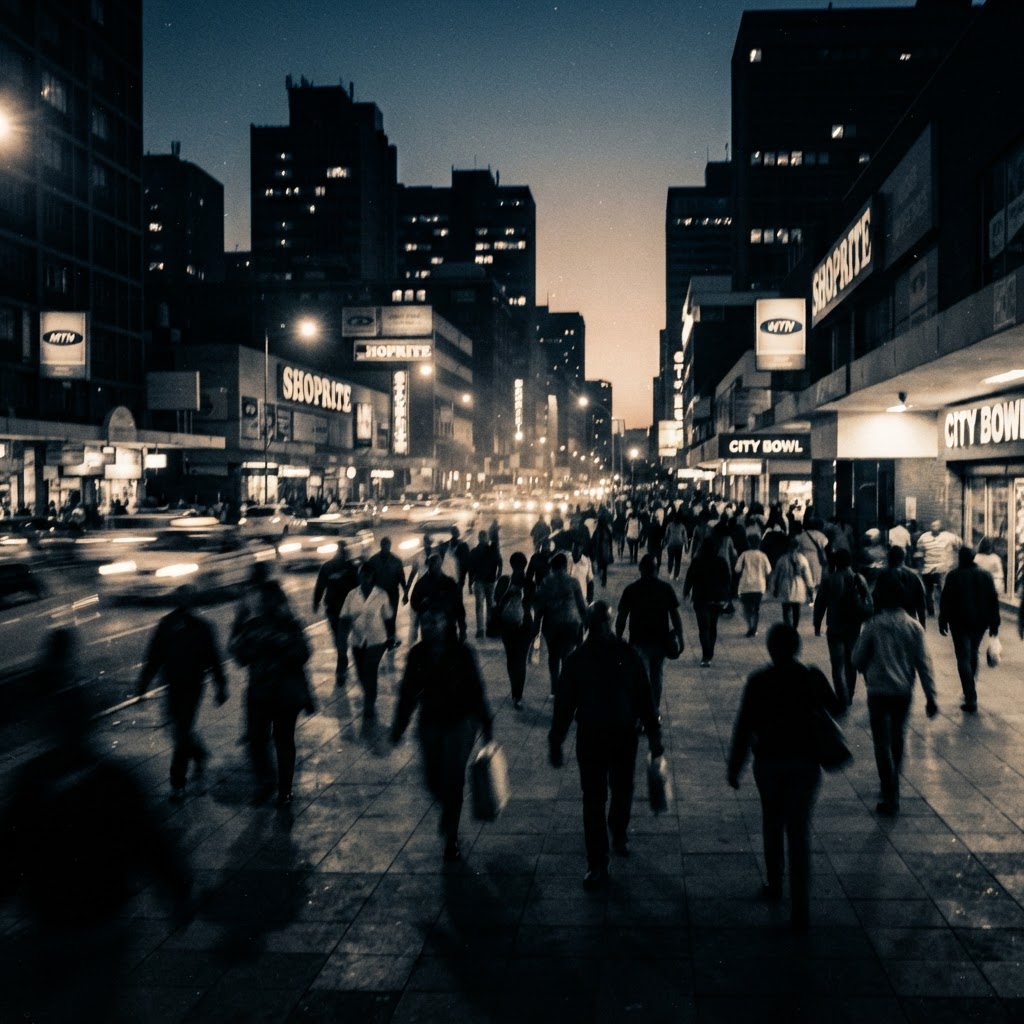
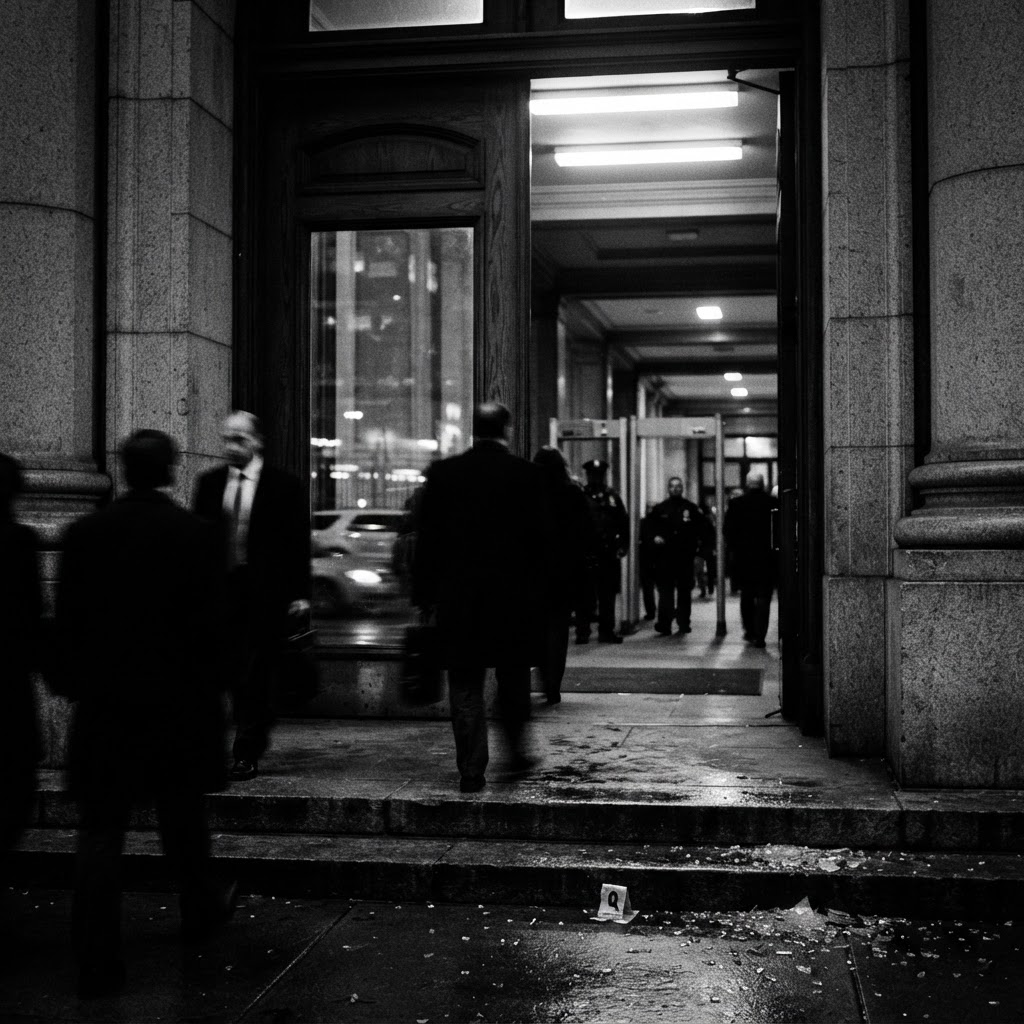
The South African courtroom is once again set to become the stage for national scrutiny. In a significant victory for constitutional openness, presiding officers have granted journalists full entry into the proceedings of the Dlomo trial. This decision is not merely a procedural victory for the press; it represents a fundamental demand for accountability. As citizens grapple with the complexities of our legal institutions, the ability to bear witness to high-stakes litigation remains a cornerstone of our democratic health. While the legal fraternity prepares for the battles ahead, the broader society remains clouded by darker realities. A recent, senseless attack resulting in the death of a foreign national has sent shockwaves through our streets. This tragedy serves as a harrowing indictment of the xenophobic tensions that continue to simmer just beneath the surface of our daily lives. That such a brutal act occurred in plain sight forces us to confront the fragility of the social contract we have built since the dawn of our democracy. These two seemingly distinct narratives—the push for judicial transparency and the persistence of violent intolerance—are woven into the same fabric of our current national experience. They emerge at a time when the economic barometer is flashing deep amber. With the rand sliding to 16.5 against the greenback, the cost of living for the average South African is becoming increasingly untenable. Inflationary pressures are not merely figures on a spreadsheet; they are the lived experiences of families struggling to put food on the table. The link between economic desperation and civil instability cannot be ignored. When nearly 60 percent of our population exists below the poverty line, the competition for scarce resources often turns ugly. This environment provides fertile ground for scapegoating, as seen in the tragic loss of life reported today. Unemployment remains the silent engine driving this discontent, leaving millions of young people feeling alienated from the promise of a post-apartheid South Africa. The Government of National Unity finds itself at a crossroads. Navigating the delicate balance between fostering investor confidence and addressing the visceral, immediate needs of the disenfranchised is a monumental task. The administration must look beyond the boardroom and address the systemic rot that allows for both high-level corruption and base-level thuggery. Without a proactive strategy to stabilize the economy and promote genuine social cohesion, the government risks losing the confidence of a weary public. Judicial proceedings may capture the headlines, but the real test for the state lies in its ability to protect the vulnerable from both state-level failures and community-level violence. Ultimately, the Dlomo trial will eventually reach a verdict, but the verdicts on our national character are being rendered every single day. We are a nation at a pivot point. We can choose to move toward greater institutional rigor and human rights, or we can allow the compounding pressures of poverty and prejudice to tear us further apart. The path forward requires a renewed commitment to justice that transcends the walls of the High Court and reaches the quiet corners of our most neglected neighborhoods.
About the Author
Fatima Mokoena
Staff Reporter
Fatima Mokoena reports for National Post UK with a focus on rigorous analysis and authoritative journalism — a trusted voice across British public life.
Reader Discussion · 5
Subscribers can join the conversation.
SUBSCRIBE TO COMMENT →Justice must not only be done but must also be seen to be done. Given the current climate in South Africa, this decision is essential to prevent rumours and misinformation from taking root.
It seems a bit naive to think that just letting cameras in will resolve the underlying causes of the unrest. The courtroom is a place for evidence, not for playing to the gallery to appease the public mood.
Having covered similar legal proceedings in the past, I believe this is a step in the right direction. When people lose faith in the judicial system, the only way to restore it is through radical accountability.
I worry that turning the courtroom into a media circus will only inflame tensions further. We need to be careful that this openness doesn't compromise the safety of the witnesses or the integrity of the trial itself.
Transparency is the bedrock of any functioning democracy, especially during times of such severe social instability. It is vital that the public can see justice being served without the filter of spin.