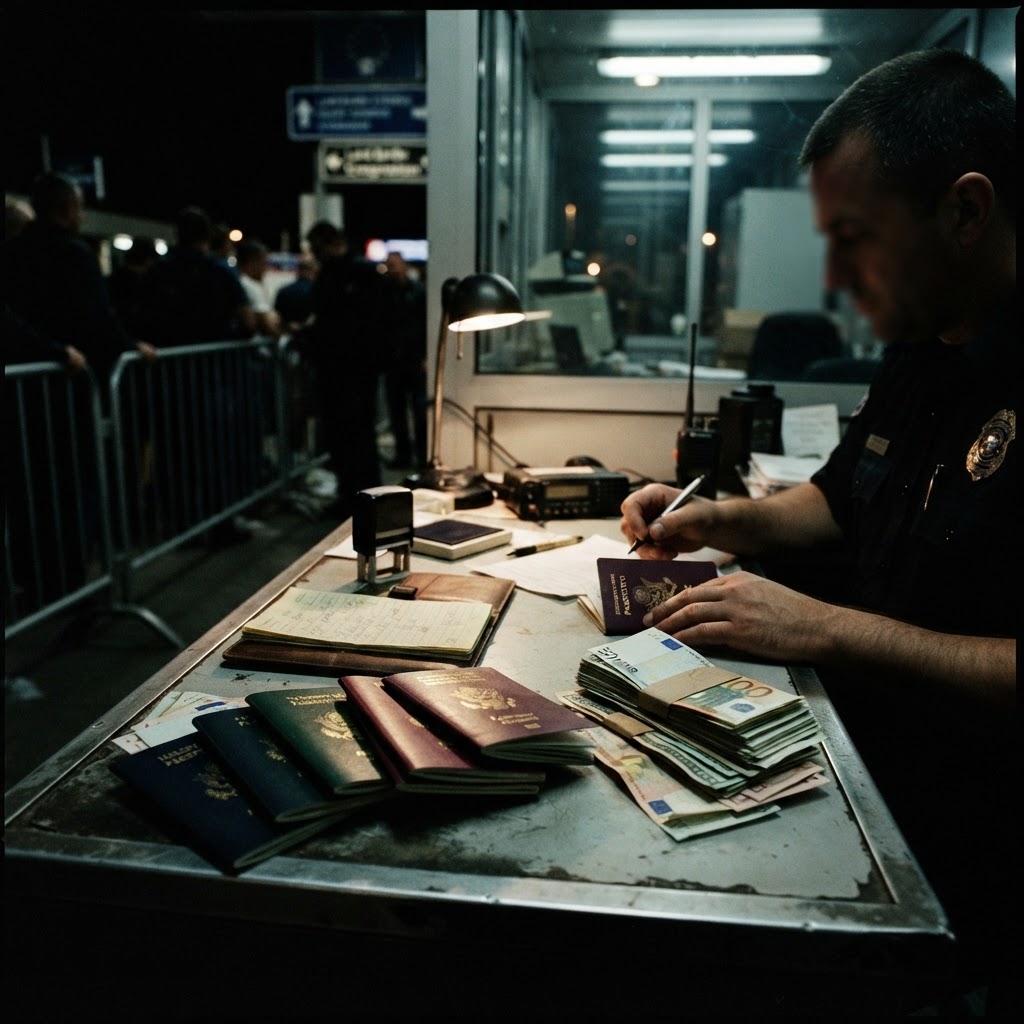
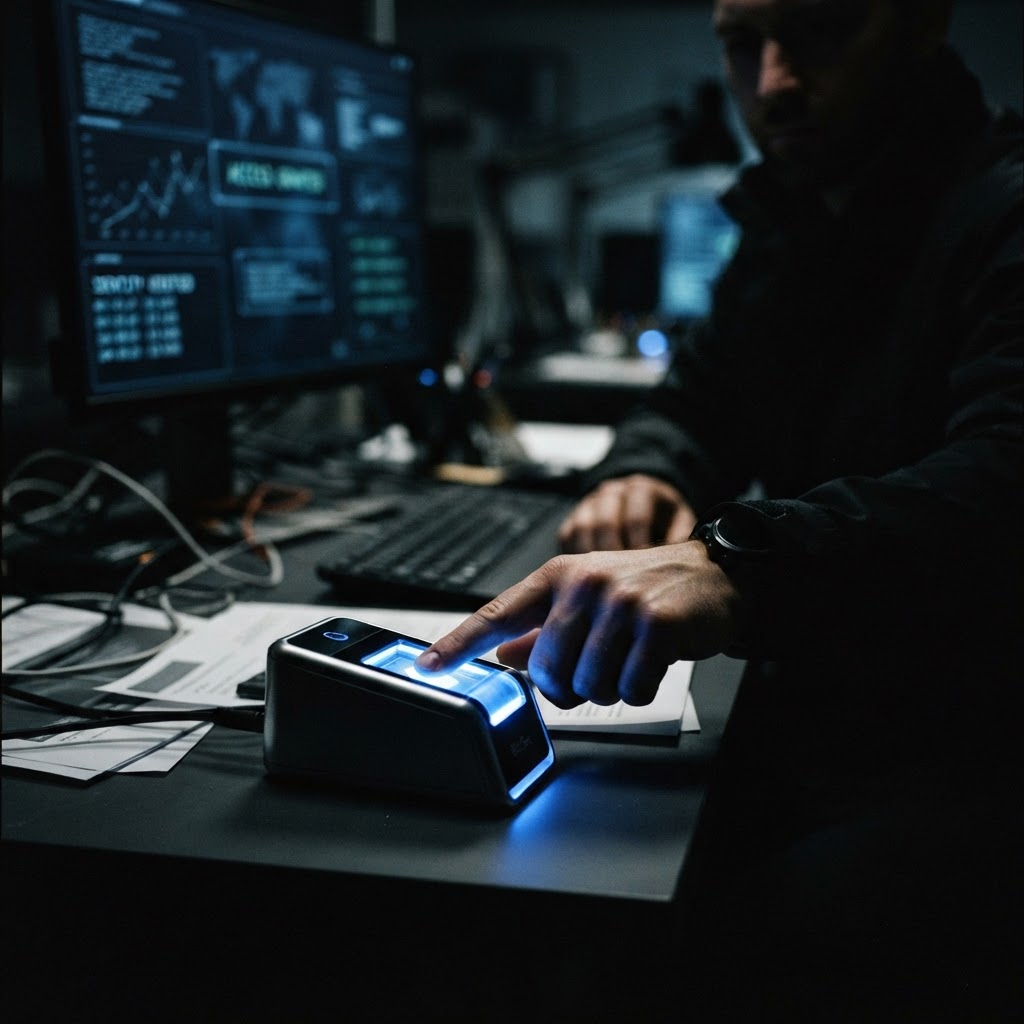
The era of manual vulnerability within our national identification system is drawing to a close. Following a lengthy, high-stakes surveillance operation, the Department of Home Affairs, working in lockstep with the elite Hawks unit, has successfully apprehended two ex-officials accused of operating a sophisticated passport forgery ring. This arrest marks a significant victory in the ongoing struggle to secure our borders and reclaim the credibility of the South African travel document. The investigation uncovered a brazen operation where state employees pocketed six-figure bribes—sometimes reaching R100,000 per transaction—to bypass standard protocols and issue genuine passports to unauthorized individuals. By exploiting legacy manual processing, these operatives engaged in a high-tech game of identity theft, substituting the photographs of unsuspecting citizens with those of illegal migrants. This hijacking of legitimate identities has long been the Achilles' heel of our immigration control. For years, criminal syndicates have viewed Home Affairs offices as soft targets, leveraging administrative laxity to profit from the desperation of those seeking to circumvent legal entry requirements. The implications of this fraud are profound. Beyond the loss of revenue, such breaches threaten the international standing of our passports, potentially leading to increased scrutiny and travel restrictions for all South Africans. When the integrity of a state document is compromised, it is the ordinary citizen who bears the cost, whether through delayed visa approvals or heightened border interrogations abroad. In response to this breach, the department is fast-tracking a mandatory biometric architecture. This shift is designed to ensure that an applicant’s digital identity remains tethered to their physical person from the moment an application is initiated until the final document is issued. By removing human discretion from the verification phase, the government aims to eliminate the gray areas that syndicates have historically weaponized for profit. This technological hardening is not merely an administrative upgrade; it is a critical defensive maneuver for national security. Many South Africans have grown weary of reports detailing systemic graft within our public institutions. The collaboration between the Counter Corruption Unit and national law enforcement suggests a renewed appetite for accountability. However, the true test will be the pace at which these biometric safeguards are deployed across the country’s more remote and overburdened branch offices. If the Department of Home Affairs is to restore public trust, it must demonstrate that these arrests are not isolated incidents but part of a sustained, systemic cleansing of the department. The move toward a completely digitized application pipeline offers a glimmer of hope that the days of 'fixing' documents behind closed doors are numbered. As the investigation deepens, many are watching to see if the net will widen to include the kingpins who orchestrated the supply chain of these fraudulent documents. For the average citizen, the hope is that this digital transformation will eventually lead to a more efficient, transparent, and secure experience, replacing long, uncertain queues with a system that is as resilient as it is accessible. Protecting the sanctity of the South African identity is not just a regulatory obligation; it is a fundamental duty to the populace. The government’s recent intervention is a necessary step toward silencing the syndicates and fortifying the nation's integrity against the persistent tide of corruption.
About the Author
Thabo Ndlovu
Staff Reporter
Thabo Ndlovu reports for National Post UK with a focus on rigorous analysis and authoritative journalism — a trusted voice across British public life.
Reader Discussion · 4
Subscribers can join the conversation.
SUBSCRIBE TO COMMENT →My application was delayed for months last year, and now I wonder if it was because of internal chaos caused by these very people. It is infuriating to think that public servants were actively undermining the system we rely on.
It is worth noting that this is exactly why the push for biometrics was so necessary. Human error and corruption are always the weakest links in any administrative process.
I find it hard to celebrate when you consider how many fraudulent documents have likely already entered circulation. Unless they have a plan to track down the existing forgeries, I fail to see how this makes the country any safer.
Long overdue. It has been an open secret for years that our passport system was riddled with these loopholes. Hopefully, this isn't just a token gesture and they actually tighten the security protocols for good.