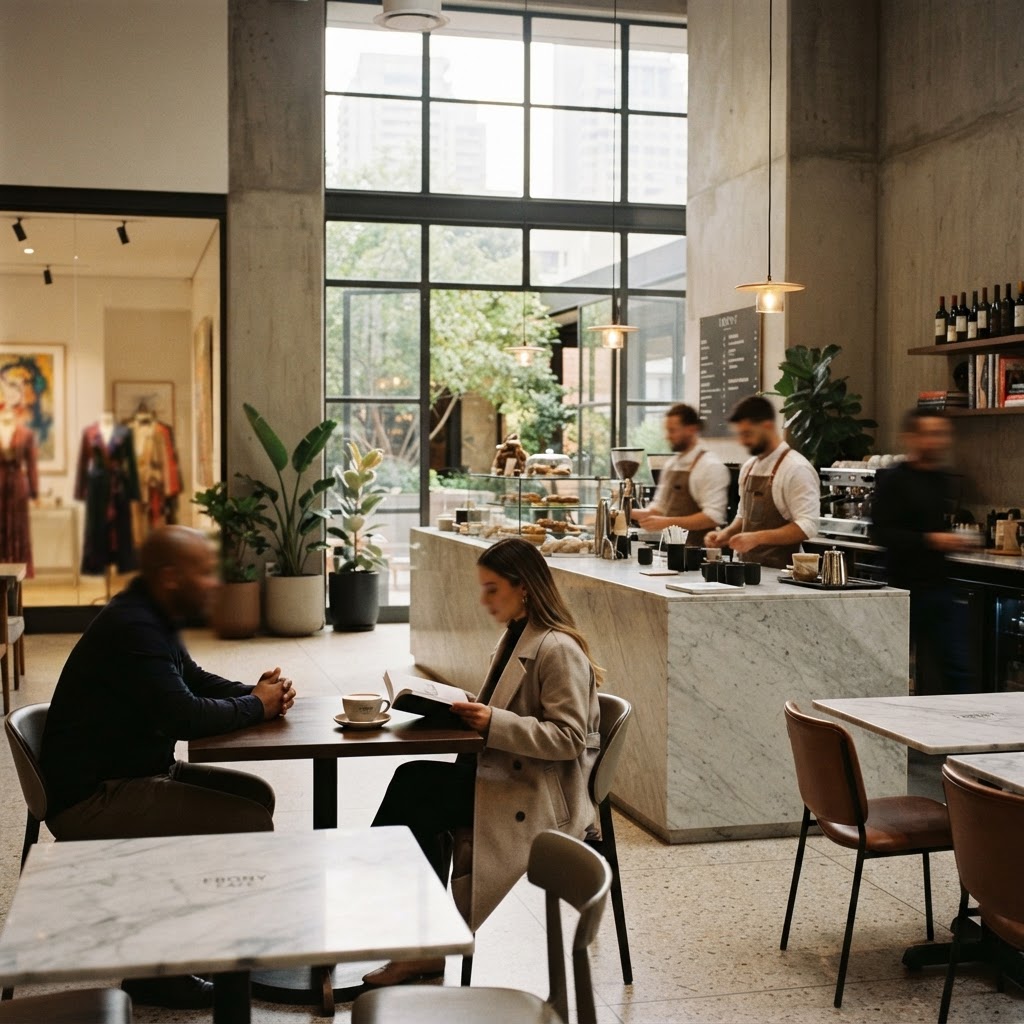
The traditional shopping experience in Johannesburg has undergone a radical transformation this year. Gone are the days when retail was limited to aisles of clothing racks or simple food court dining. With the official opening of Maison Deux at Hyde Park Corner, the city has officially entered the era of the integrated lifestyle boutique, a concept that merges the polish of a luxury fashion house with the intimacy of a gourmet café. This establishment represents more than just a new place to grab a coffee; it is a barometer for how local appetites for exclusivity are shifting toward multi-sensory engagement. By housing icons like Stella McCartney and Givenchy alongside a world-class dining menu, the venue curates an environment that encourages patrons to linger, socialize, and experience brand identity in a tactile, relaxed setting. For the South African market, this shift is significant. We are witnessing a departure from the transactional nature of department stores toward a holistic model that prioritizes atmosphere as much as the products themselves. As local shoppers demand more than just luxury goods, brands are responding by creating spaces that facilitate a seamless blend of consumption and leisure. The presence of global fashion titans like Marc Jacobs and Missoni within this specific footprint suggests that international conglomerates are paying closer attention to the sophisticated tastes of the northern suburbs. These designers have historically operated within the confines of rigid boutique structures, yet Maison Deux breaks that mold by inviting customers to engage with fashion while enjoying a bespoke meal. This fluidity is essential for a demographic that values efficiency and high-end experience in equal measure. The location at Hyde Park Corner is strategic. Known as a hub for Johannesburg’s affluent community, the mall has long been a barometer for local wealth and retail trends. The introduction of this café-retail hybrid serves to solidify the area's reputation as a global destination for luxury lifestyle enthusiasts. It positions the city alongside international fashion capitals like Milan or Paris, where the convergence of gastronomy and high fashion is a standard, rather than a novelty. Beyond the prestige, the economic implications are notable. By fostering a space that encourages extended foot traffic, Maison Deux effectively changes the rhythm of a standard mall visit. It provides a sanctuary that caters to the professional class, offering a sophisticated venue for business meetings or midday escapes that still feel connected to the world of high fashion. This evolution mirrors broader global retail shifts where physical stores must work harder to justify their existence in a digital-first world. In South Africa, where physical shopping remains a social cornerstone, this model is particularly robust. Ultimately, the arrival of this concept is a testament to the confidence retailers have in the local luxury market. It signals that South African consumers are no longer just passive buyers of international labels; they are active participants in a global lifestyle conversation. As we look toward the future of Gauteng’s commercial spaces, the success of this venture will likely dictate whether we see more of these hybrid venues appearing in other high-end corridors across the country. For now, it offers a glimpse into a refined, integrated future for South African retail.
About the Author
Fatima Mokoena
Staff Reporter
Fatima Mokoena reports for National Post UK with a focus on rigorous analysis and authoritative journalism — a trusted voice across British public life.
Reader Discussion · 4
Subscribers can join the conversation.
SUBSCRIBE TO COMMENT →I have been to a few similar concepts in London, and they are great until they stop evolving and become just another expensive place to grab a coffee. I hope Maison Deux can maintain its initial allure without becoming stagnant.
Retail trends are clearly shifting towards lifestyle integration globally, so seeing this move in Hyde Park Corner makes perfect sense from a business perspective. I am keen to see how the local community responds to such a luxury-focused pivot in the long term.
While I appreciate the effort to innovate, I do wonder if this is just another venue that will be priced out of reach for the average shopper. It feels a bit exclusionary rather than a true evolution of retail for everyone.
It is about time Johannesburg caught up with these types of experiential retail spaces. I visited last weekend and the focus on atmosphere really makes a difference compared to the standard high street experience.