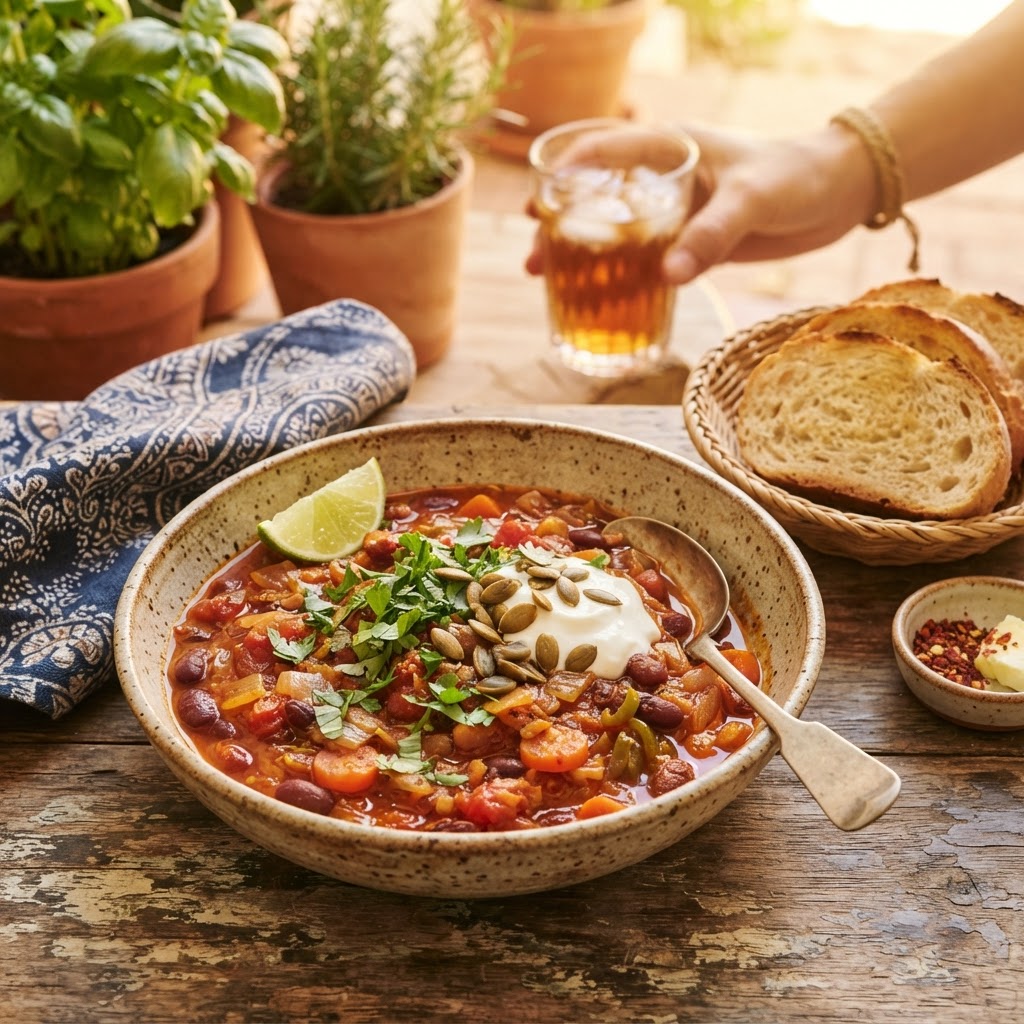
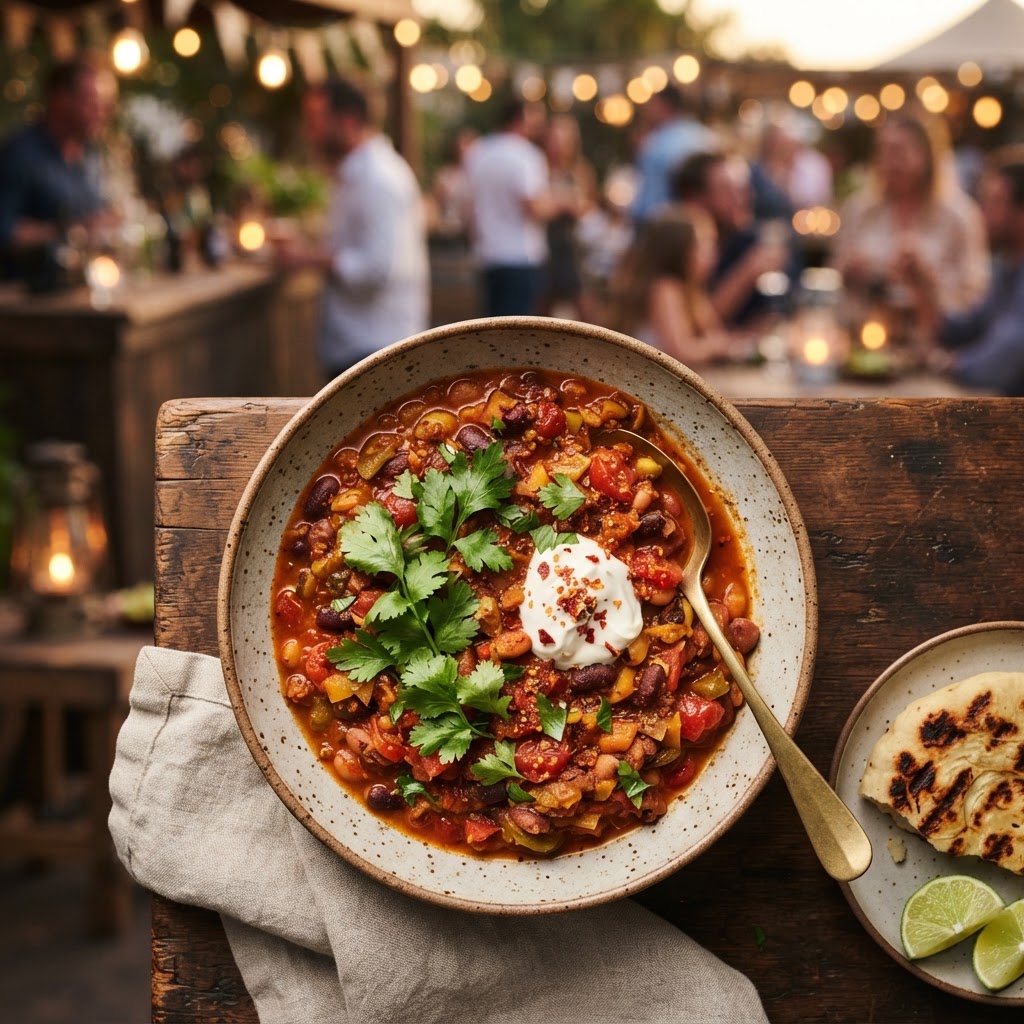
In a display of culinary prowess that resonates far beyond our borders, South African gastronome and television personality Lorna Maseko has successfully introduced the soul of our nation to the Georgia capital. By unveiling a unique, chakalaka-inspired chilli at the State Farm Arena in Atlanta, Maseko has effectively turned a stadium crowd into a captive audience for our local palate. This bold move represents more than just a menu addition; it is a calculated effort to institutionalize South African flavours within the highly competitive American hospitality sector. The collaboration with reality television personality Shamea Morton provided the perfect platform to reach a diverse demographic, ensuring that the nuances of our traditional vegetable relish were met with curiosity and genuine appreciation. For many of us watching from home, seeing a South African staple served in a premier international venue serves as a profound validation of our indigenous recipes. It reminds us that what we often consider humble, kitchen-table food possesses the depth and complexity required to compete at the highest global levels. The choice to focus on chakalaka—a relish defined by its robust spice profile and versatility—speaks volumes about Maseko’s intent to present our culture without compromise. She is not diluting our traditions to fit Western expectations; she is demanding that the world adapt to our seasoning. This is not merely an isolated culinary demonstration; it is a manifestation of cultural diplomacy. Maseko has consistently utilized her platform to bridge the gap between our heritage and a global audience that is increasingly hungry for authentic, narrative-driven dining experiences. As local chefs continue to navigate international markets, the success of this arena activation provides a blueprint for how South African entrepreneurs can package their identity as a luxury lifestyle brand. It moves our culinary arts away from the periphery of 'exotic' interest and places them firmly in the center of the mainstream gastronomic conversation. The broader impact of this event lies in the inspiration it provides to the next generation of cooks across our provinces. When local youth see a South African woman commanding space in an American stadium, it redefines the perceived limitations of a career in the food industry. It shifts the narrative from local survival to international expansion, proving that our ancestral culinary roots are, in fact, an asset of immense value. As Maseko continues her journey, the ripple effects of her work are likely to be felt by exporters and restaurateurs alike. By successfully rebranding our traditional staples, she has opened a door that others will undoubtedly follow through. We are witnessing the maturation of South African food culture as it evolves from a domestic pride point into a recognized global contender, solidifying our place at the table of the world’s most influential food nations.
About the Author
Thabo Ndlovu
Staff Reporter
Thabo Ndlovu reports for National Post UK with a focus on rigorous analysis and authoritative journalism — a trusted voice across British public life.
Reader Discussion · 4
Subscribers can join the conversation.
SUBSCRIBE TO COMMENT →I am not entirely convinced that a celebrity chef approach is the best way to represent a country's heritage. Food culture is usually best experienced through tradition rather than corporate arena promotions.
I spent a few years living in Johannesburg and grew to love the local cuisine, so this is certainly an interesting development. I hope the authenticity of the ingredients remains the priority rather than just aiming for mass appeal.
While I am all for cultural exchange, I do wonder if the essence of something like chakalaka can really be captured in a stadium chilli. It feels like it might be a bit of a sanitised version for the American palate.
It is wonderful to see South African flavours finally getting the international recognition they deserve. I have always thought our spices and textures were vastly underrepresented in the global food scene.