
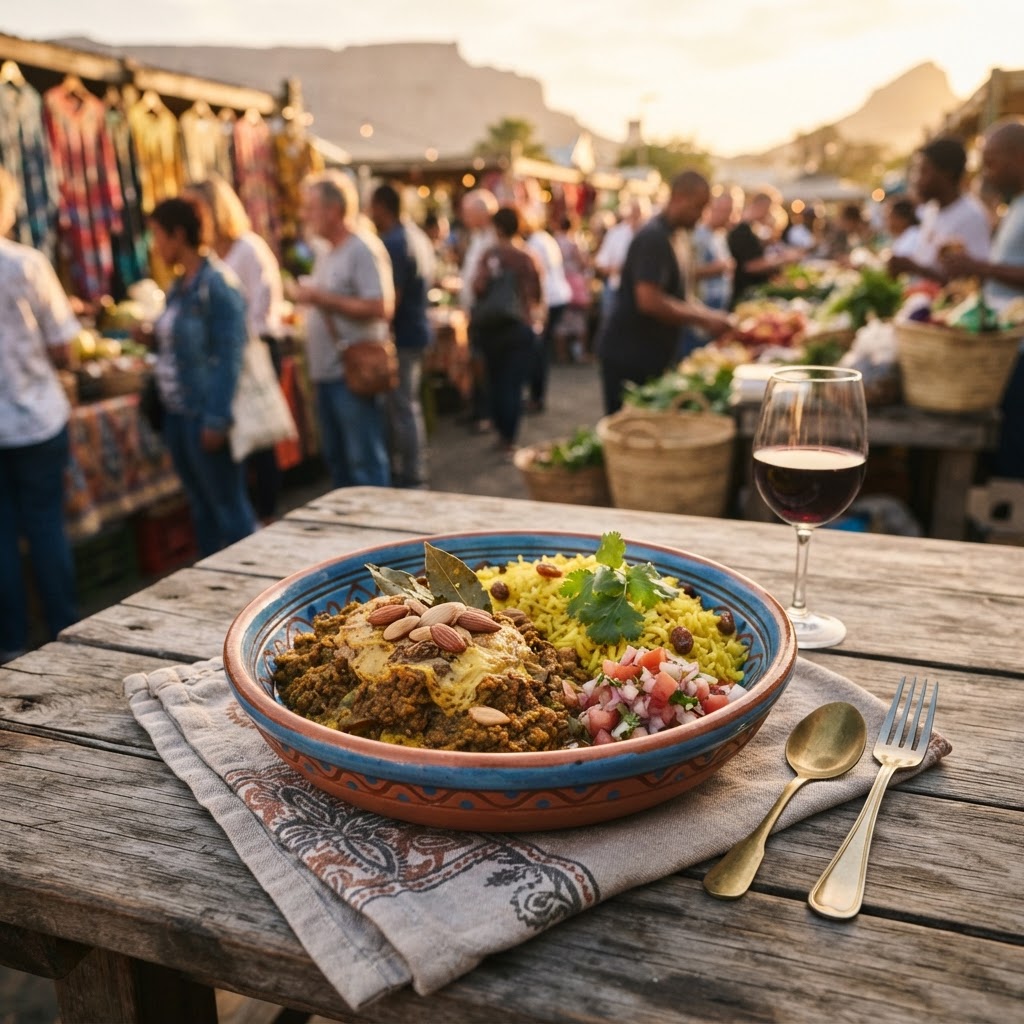
For decades, the standard pitch to international visitors relied heavily on the roar of lions and the sprawling vistas of our national parks. While our natural beauty remains unparalleled, a subtle yet profound shift is underway in how we market the South African experience. We are moving away from being a mere sightseeing destination to becoming a global table where our history, culture, and innovation are served on a plate. The latest strategic pivot by South African Tourism, center-staged at the Gastronomy Africa Conference & Expo, signals that our food is finally being recognized as the nation’s greatest hidden asset. Recent industry analytics provide a compelling business case for this pivot. When researchers measured visitor satisfaction across various touchpoints, the food and beverage sector emerged as a clear leader, securing a sentiment score of 90.7 out of 100. This overwhelming enthusiasm confirms what locals have long known: our flavor profiles—shaped by a melting pot of Malay, Indian, African, and European influences—are truly world-class. By formalizing this under the Department of Tourism’s 2023 National Gastronomy Tourism Framework, the state is effectively institutionalizing what was previously an organic, fragmented scene. At the heart of this movement is a push toward authenticity and responsibility. The tourism sector is encouraging restaurants to move past generic menu offerings in favor of indigenous ingredients and sustainable, locally-sourced produce. For the restaurateur in a rural town or the urban chef in a trendy district, this represents a massive opportunity to tap into a formal tourism ecosystem. It is no longer just about feeding the hungry; it is about narrating the story of our land through the seasoning of our pots. This strategy also serves as a critical economic engine. By centering travel around our food, we create a ripple effect that starts at the local farm gate. When a tourist chooses a traditional Cape Malay curry or a farm-to-table venison dish, the economic benefit is immediate and localized. It supports local supply chains, creates specialized roles in the hospitality workforce, and helps smaller enterprises compete on a global stage. This is perhaps the most significant benefit for the average South African citizen: the democratization of tourism revenue. We are essentially expanding the tourism footprint beyond established hotspots. A vibrant food culture can flourish in every province, creating a compelling reason for travelers to venture into smaller towns and townships that previously saw little in the way of foreign currency. This initiative is not merely about inflating statistics; it is about building a sustainable cultural economy. By elevating our gastronomy, we are inviting the world to experience the genuine warmth and complexity of our people. Every meal shared between a visitor and a local is a handshake, a conversation, and a deeper understanding of our identity. As we look toward the future, the success of this strategy will depend on our ability to keep it grounded. While global recognition is a worthy goal, the most vital measure of success will be whether this movement strengthens our local identity and provides tangible, long-term employment for our people. If we can marry our legendary hospitality with our diverse, vibrant culinary traditions, South Africa will not just be a place to visit—it will be a country that tastes like nowhere else on earth.
TopicsDaily StandardTravelEdNews Africa
About the Author
TN
Thabo Ndlovu
Staff Reporter
Thabo Ndlovu reports for National Post UK with a focus on rigorous analysis and authoritative journalism — a trusted voice across British public life.
Reader Discussion
Subscribers can join the conversation.
SUBSCRIBE TO COMMENT →No comments yet. Be the first to share your thoughts.