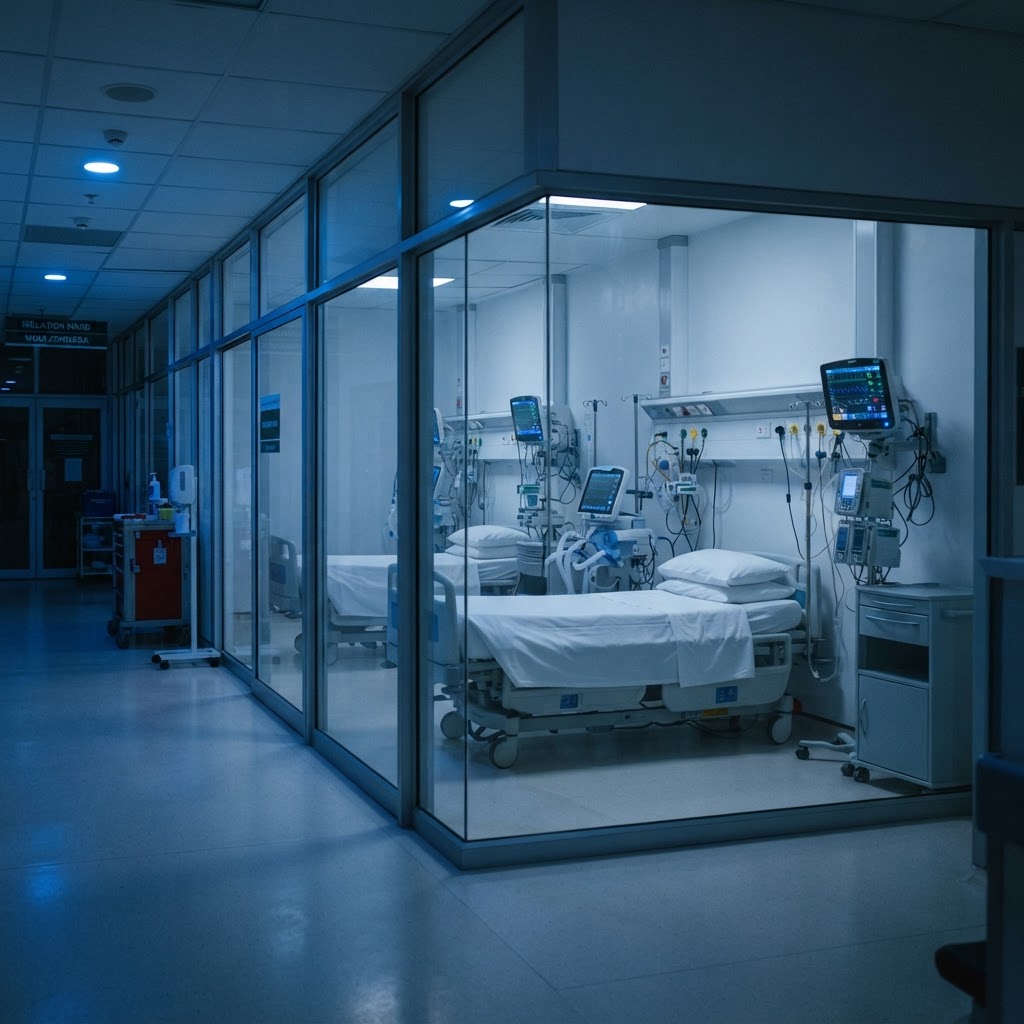
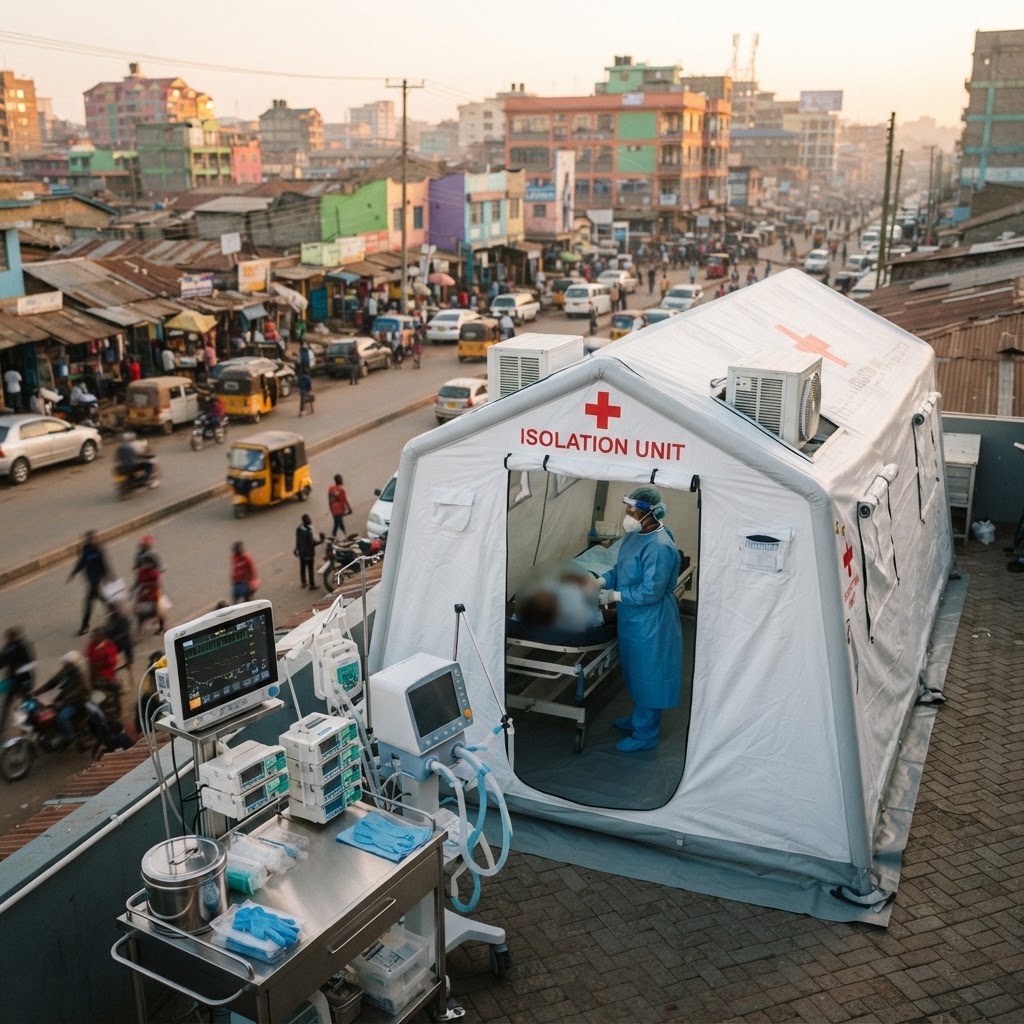
The public health landscape across the continent shifted dramatically this week following the official confirmation of an Ebola infection within Nigerian borders. This development signals a dangerous evolution in the current epidemiological crisis, effectively ending the period of containment that health officials had hoped to maintain. The Africa CDC has wasted no time in sounding the alarm, with Director-General Jean Kaseya categorizing the current trajectory as a grave risk to the collective health security of the region. The confirmation in Africa's most populous nation serves as a stark reminder of how porous borders and regional mobility can act as conduits for viral transmission. For health planners, the race is now on to implement stringent surveillance measures before the pathogen gains further momentum. Kaseya’s urgent appeal for a global infusion of capital, technical expertise, and critical medical provisions underscores a burgeoning sentiment that individual state-level interventions will no longer suffice. Without a robust, multinational coalition of support, the potential for this outbreak to spiral into a broader humanitarian emergency remains high. South Africa finds itself at a critical juncture regarding its own defense protocols. While the geographic distance between West Africa and the southern tip of the continent provides a temporary buffer, the reality of global travel routes means that complacency is a luxury we cannot afford. Our ports of entry, specifically O.R. Tambo International Airport, must immediately recalibrate their screening procedures. The focus must shift toward more sophisticated thermal monitoring and symptomatic triaging for passengers arriving from identified hotspots. The Department of Health is reportedly reviewing its pandemic readiness infrastructure, a move that is both necessary and overdue. We must scrutinize our internal supply chain for personal protective equipment and the readiness of isolation wards in our major metropolitan hospitals. The economic stakes are equally pressing. Previous health crises have shown that a regional outbreak can cripple trade, stifle tourism, and erode investor confidence across the SADC region. By failing to act with surgical precision now, we risk creating a scenario where, rather than focusing on domestic economic recovery, our government might be forced to divert billions toward emergency containment efforts. This is a moment that demands a departure from reactive policy-making. The fragility of our regional health systems has been exposed, and the interdependence of our economies makes this a shared burden. We cannot rely solely on the international community to safeguard our citizens; the responsibility rests with our own leaders to coordinate effectively with the Africa CDC and ensure that our diagnostic capabilities are sufficiently scaled. As the situation in Nigeria unfolds, the message to the South African public is one of vigilance rather than panic. We possess a more developed health infrastructure than many of our neighbors, but this asset is only as strong as our resolve to maintain it. Monitoring the situation, supporting regional health initiatives, and ensuring that our own borders are managed with scientific integrity are the pillars of a successful response. The coming weeks will undoubtedly prove whether our regional institutions have learned the lessons of past outbreaks or if we are destined to repeat the errors of a fractured, disorganized defense.
About the Author
Thabo Ndlovu
Staff Reporter
Thabo Ndlovu reports for National Post UK with a focus on rigorous analysis and authoritative journalism — a trusted voice across British public life.
Reader Discussion · 6
Subscribers can join the conversation.
SUBSCRIBE TO COMMENT →My brother is currently based in Lagos for work and we are all very anxious. We really need more transparency from the local authorities about the steps being taken to isolate cases.
I worry about the impact on travel and trade. The economic fallout for the region could be just as devastating as the virus itself if countries start closing borders entirely.
It is important to remember that Nigeria has a robust healthcare infrastructure compared to some of its neighbours. Let us hope they can utilise those resources effectively to curb this before it spirals.
Are we being told the full story here? It seems like every time these outbreaks occur, the warnings come far too late to actually stop the transmission.
Having worked in public health in West Africa for years, I know exactly how difficult containment is once it crosses borders. The scale of the response needs to be ramped up tenfold.
This is deeply concerning news. I hope the international community provides the necessary resources to Nigeria immediately before this spreads further.