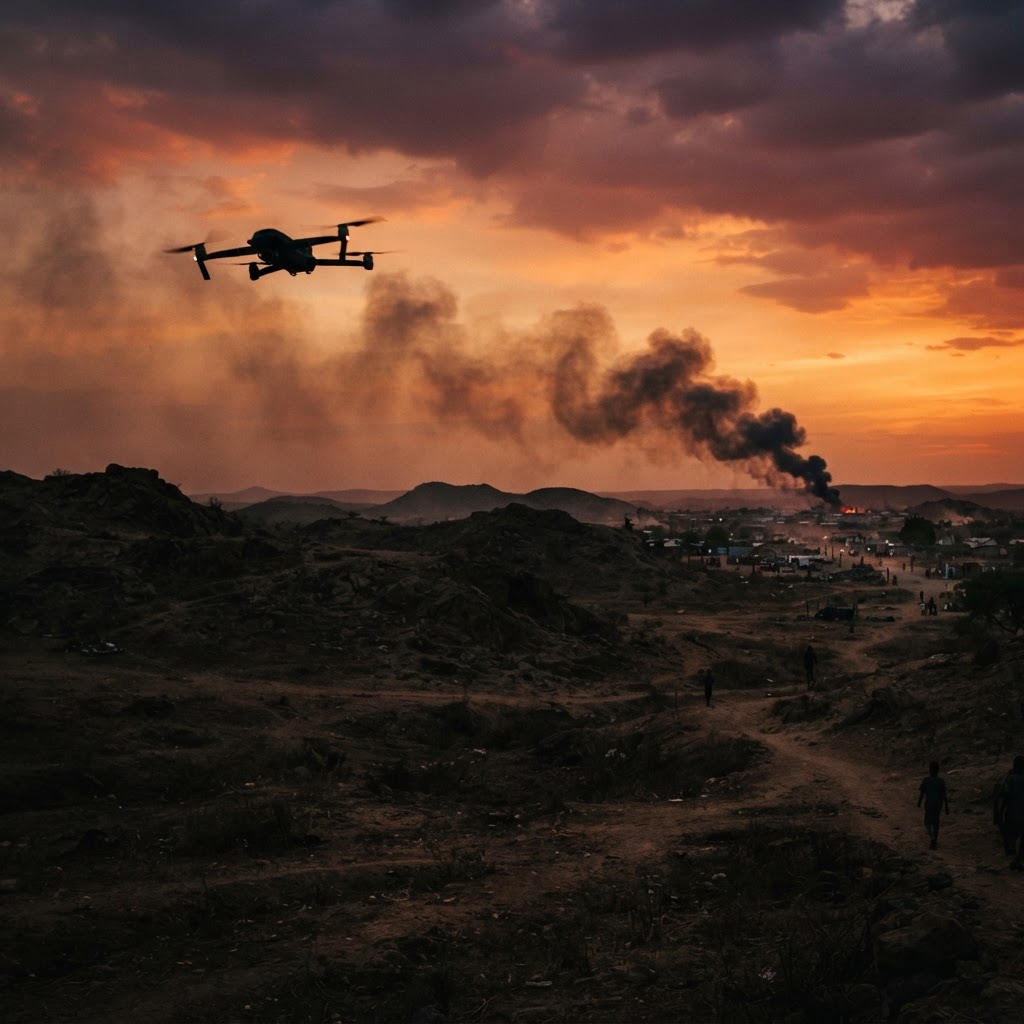
The Malian landscape is currently defined by a haunting escalation of violence that places innocent lives directly in the crosshairs of modern warfare. Emerging evidence points to a devastating series of aerial offensives, allegedly orchestrated by state forces bolstered by international mercenary support, resulting in significant loss of life among non-combatants. This brutal turn of events has sent shockwaves through regional diplomatic corridors, forcing a re-evaluation of the tactical methods employed in the fight against insurgency. At the heart of the controversy is the integration of Russian private military assets into the national security apparatus, a move that critics argue has exacerbated the civilian death toll while failing to provide a durable path toward peace. The use of drone technology, once considered a precision tool for tactical gains, has seemingly transformed into a blunt instrument of devastation, leaving local communities in a state of constant fear. For South Africa, this situation is not merely a distant headline but a profound geopolitical concern. As a prominent voice within the African Union, Pretoria has long championed the concept of 'African solutions to African problems,' a doctrine that is now being tested by the creeping influence of non-continental actors in regional conflicts. The transition of West African nations toward military-led governance, coupled with their willingness to bypass traditional security partners, threatens to unravel decades of progress in democratic consolidation. The economic implications for South Africa are equally stark. Regional stability remains the cornerstone of the African Continental Free Trade Area, and the ongoing turmoil in the Sahel represents a systemic risk to the security corridors vital for continental commerce. Should the trend of foreign-backed military intervention continue unchecked, the prospect of a fractured continent, divided by competing proxy interests, becomes an increasingly realistic threat. Furthermore, the human rights violations reported in Mali serve as a grim indicator of what happens when civilian oversight is sacrificed for the perceived efficiency of private military contractors. These entities, which operate with little transparency and even less accountability to the local populace, represent a dangerous erosion of national sovereignty. For South African diplomats, the challenge lies in balancing principled foreign policy with the realities of a shifting global order. Engaging with juntas that have turned their backs on democratic norms while inviting foreign powers onto the continent is a delicate tightrope walk. Yet, the cost of inaction could be higher; silence in the face of these atrocities undermines the moral authority of the SADC region and the broader Union. As the Sahel continues to bleed, the international community must grapple with the fact that security cannot be bought from distant private contractors at the expense of human life. The erosion of civilian protections in Mali is not just a localized tragedy, but a warning signal for every emerging democracy across the continent. Stability built upon the foundation of foreign mercenaries is inherently fragile, offering only the illusion of control while leaving the underlying grievances of the population to fester. Ultimately, the events in Mali necessitate a bold, unified response from African leaders. It is time to prioritize diplomatic mediation and sustainable, homegrown security architectures that place the safety of the individual citizen above the strategic interests of foreign states. The path to a peaceful continent will not be paved with drone strikes, but with a renewed commitment to the democratic ideals that many of our nations have fought so hard to secure.
About the Author
Thabo Ndlovu
Staff Reporter
Thabo Ndlovu reports for National Post UK with a focus on rigorous analysis and authoritative journalism — a trusted voice across British public life.
Reader Discussion · 4
Subscribers can join the conversation.
SUBSCRIBE TO COMMENT →The situation in Mali is yet another example of the catastrophic failure of Western and regional diplomacy. If we keep allowing these shadow forces to run the show, we are only guaranteeing decades more of instability for the Malian people.
Having spent time working with NGOs in the Sahel region, I can tell you that the presence of private military groups has only served to inflame local tensions. The people on the ground are caught between extremist groups and these unaccountable forces with nowhere left to turn.
While the violence is undoubtedly tragic, we must be careful about the sources of these reports. Mali is a complex theatre of war and it is often difficult to distinguish between legitimate counter-insurgency efforts and the abuses being alleged here.
It is absolutely heart-breaking to see these foreign mercenaries operating with such impunity while civilians pay the ultimate price. The international community needs to stop turning a blind eye to what is essentially state-sponsored destabilisation.