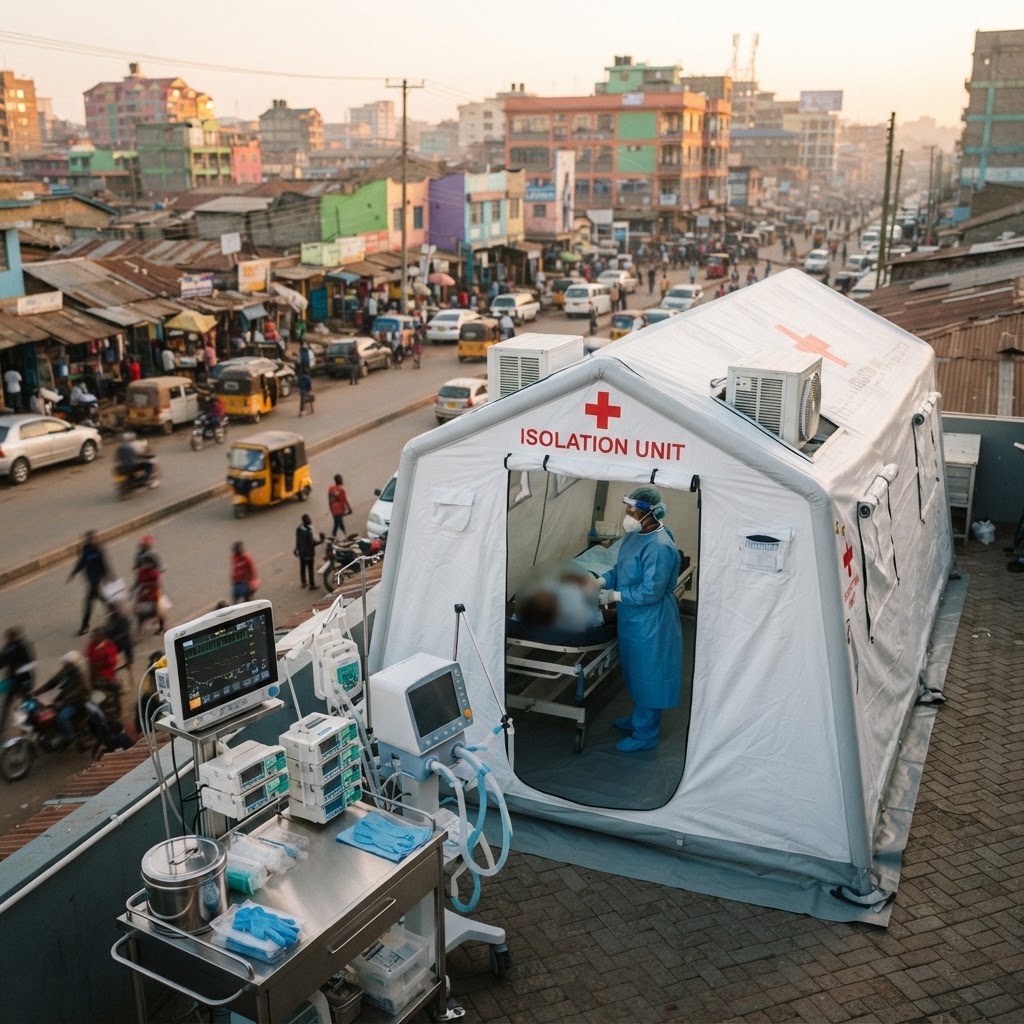

A wave of anxiety is rippling across the continent following the confirmation that Nigeria has recorded its first Ebola infection of the current cycle. Genetic sequencing has linked the pathogen directly to the aggressive variant currently devastating communities in the Democratic Republic of Congo. The news has sent shockwaves through health ministries from Abuja to Pretoria, as the Africa CDC elevates its risk assessment to critical levels. The race is now on to identify contacts and sever transmission chains before this highly contagious virus gains a foothold in more densely populated urban centres. Regional health stakeholders are warning that the window for containment is rapidly closing, requiring a swift and unified continental response. The logistical burden is immense, with urgent appeals being launched for international donor support, protective equipment, and a surge of medical personnel to staff isolation units. For our region, the geographical distance does not equate to safety. With modern travel networks facilitating the movement of thousands of people daily, the risk of a cross-border spillover remains a tangible threat that requires proactive monitoring. South African authorities are already reviewing screening protocols at major transport hubs, acknowledging that infectious diseases do not recognise national boundaries. Our interconnected trade routes and aviation links mean that any failure to stabilise the situation in West and Central Africa carries direct implications for our local public safety. Beyond the immediate health risks, the economic ripple effects of such an outbreak cannot be ignored. A regional health crisis of this magnitude threatens to disrupt essential supply chains, dampen investor confidence, and place unforeseen pressure on our domestic healthcare infrastructure. The lesson from previous pandemics is clear: waiting for the virus to arrive on our doorstep is a strategy doomed to failure. Integration is our greatest asset. By leveraging the expertise of our local National Institute for Communicable Diseases and aligning our response with continental partners, we can reinforce our collective defences. This is not merely a matter of charity for distant nations; it is a fundamental component of South Africa’s own security architecture. As the world watches these unfolding events, the burden of leadership falls on our regional bodies to coordinate a seamless, science-based response. We must demand transparency in communication and efficiency in the deployment of resources. The coming weeks will be a litmus test for the resilience of our regional health systems and the depth of our commitment to mutual protection. Vigilance must be the watchword in the days ahead, as we prepare for the possibility of an extended battle against a formidable adversary.
About the Author
Thabo Ndlovu
Staff Reporter
Thabo Ndlovu reports for National Post UK with a focus on rigorous analysis and authoritative journalism — a trusted voice across British public life.
Reader Discussion · 4
Subscribers can join the conversation.
SUBSCRIBE TO COMMENT →My thoughts are with the families affected by this. It is always the most vulnerable who suffer when these outbreaks begin, and we must do all we can to support the health workers putting themselves at risk.
Genetic sequencing is a powerful tool to have, but it means very little if the logistical chain for vaccines and isolation supplies is broken. Let us hope the authorities can manage the borders effectively before this spreads any further.
It seems like we go through these scares every few years now. I would like to see more transparency regarding the funding for these regional health authorities, as we need to ensure local clinics are actually prepared on the ground.
This is deeply worrying news for the region. Having worked in Lagos before, I know how quickly things can move in dense urban areas, so I hope the international response is swift and properly resourced this time.