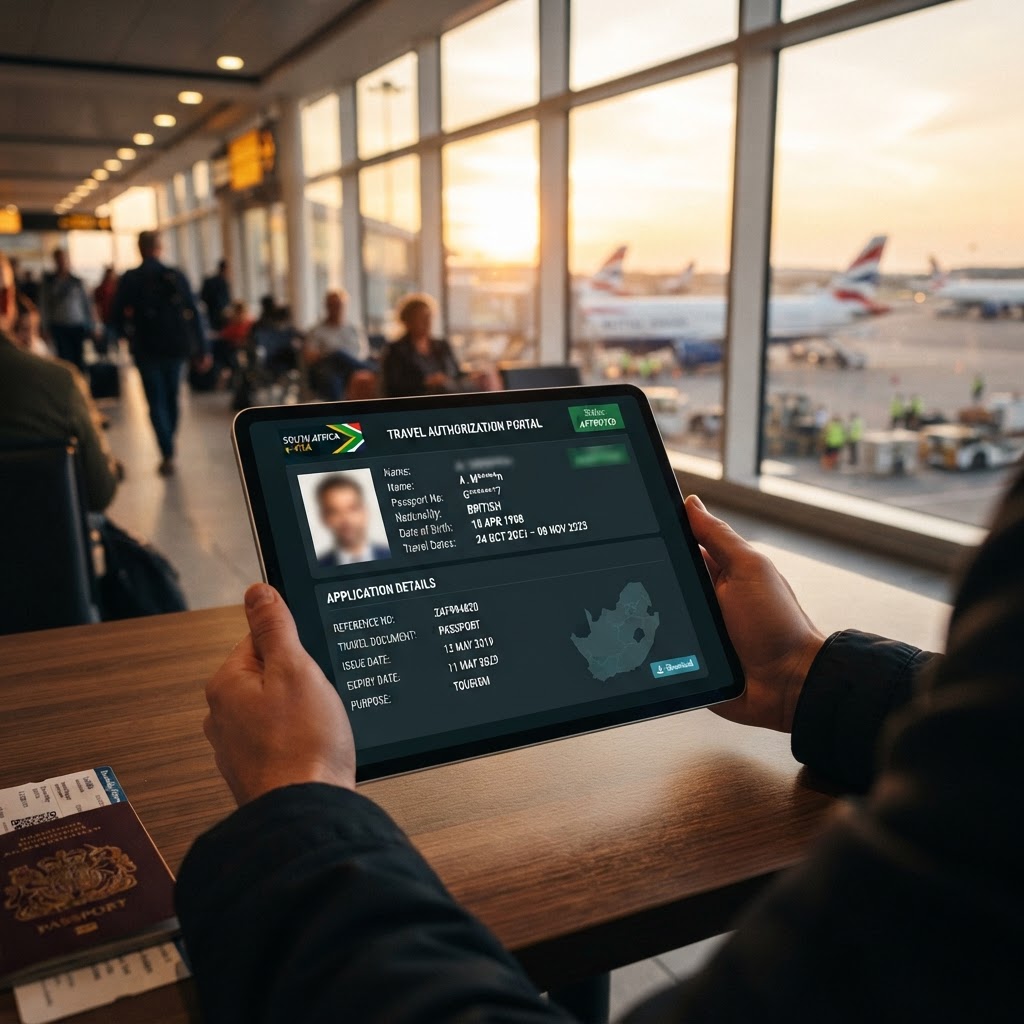
The South African Department of Home Affairs has officially tabled proposed adjustments to the Immigration Act, marking a pivotal transition in how international visitors navigate the country’s borders. For years, the Electronic Travel Authorisation (ETA) system has functioned as a cost-free service for global travelers. However, under the new draft regulations, the state is proposing a levy of R500 for every application processed through this digital portal. This move signals a definitive end to the fully subsidized era of entry management. According to government officials, the current operational model has become fiscally unsustainable as the demand for modern, paperless systems continues to climb. The proposed fees are intended to bridge the budget gap, directly financing the expansion and maintenance of South Africa’s growing digital immigration ecosystem. This initiative is not merely limited to the ETA; the government is also seeking to implement a broader fee structure covering various online visa and permit applications. While the existing visa-free travel agreements with designated nations remain strictly intact, the actual act of utilizing the ETA interface will now carry a financial obligation. This policy adjustment comes against the backdrop of a significant uptick in international tourism and business travel. In recent months, the nation has welcomed nearly one million visitors, a surge that has placed immense pressure on existing border control staff and legacy systems. By pivoting to a user-pays model, the authorities aim to fast-track the digitization of entry points. This transition is framed as a necessary step to manage high-volume traffic while simultaneously tightening security through more sophisticated tracking technology. For South Africans, the implications of these changes go beyond administrative updates. A robust and well-funded immigration system is critical to restoring confidence in the nation’s border management, which has long been criticized for inefficiencies and vulnerabilities. By generating independent revenue through these processing fees, the Department of Home Affairs hopes to reduce its reliance on the national fiscus, potentially freeing up state funds for other urgent socio-economic priorities. However, there are concerns that higher entry costs could influence global perceptions of South Africa’s accessibility, particularly for budget-conscious travelers or short-term visitors who previously benefited from the zero-fee policy. The travel and tourism sector will be monitoring these developments closely to determine whether the convenience of a digital system will outweigh the additional financial barrier for international guests. As the consultation period for these draft amendments begins, the focus remains on whether the efficiency gains promised by the digital infrastructure will materialize. If successful, the government anticipates a more streamlined experience that minimizes human error and reduces the lengthy processing times often associated with physical border gates. Nevertheless, the transition represents a major hurdle for the Department, which must now prove that this increased expenditure for travelers will indeed result in a smoother, more secure arrival process at our ports of entry. As the nation pushes toward a fully connected administrative framework, these fee adjustments represent the unavoidable costs of a modernized, twenty-first-century border regime.
TopicsDaily StandardTravelEnvoy Global
About the Author
FM
Fatima Mokoena
Staff Reporter
Fatima Mokoena reports for National Post UK with a focus on rigorous analysis and authoritative journalism — a trusted voice across British public life.
Reader Discussion
Subscribers can join the conversation.
SUBSCRIBE TO COMMENT →No comments yet. Be the first to share your thoughts.